A well-prepared home visit helps an air conditioning professional diagnose problems accurately, size new equipment correctly, and verify that your ductwork and electrical service are ready. A little planning before the doorbell rings can save repeat trips and guesswork. Expect a mix of visual checks, measurements, and tests that may involve the outdoor condenser, indoor air handler or furnace, evaporator coil, return plenum, and supply registers. This guide explains what information to gather, what access to clear, which tests matter, and how your everyday choices like filters or closed doors affect airflow, humidity control, and comfort.
Define the Visit: Repair Check or Replacement Assessment
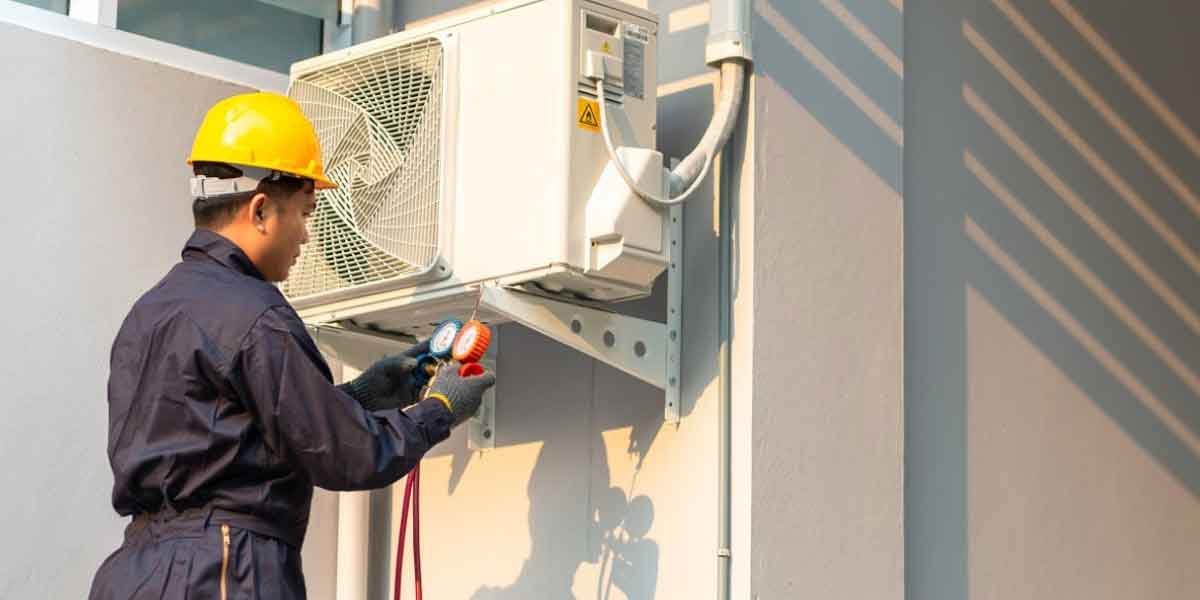
Start by clarifying why the technician is coming. A repair-focused call often includes testing temperature split across the coil, reading refrigerant pressures, and evaluating superheat or subcooling to assess charge and metering devices like a TXV. The contractor may measure static pressure with a manometer, check blower speeds, inspect the condensate drain and float switch, and test electrical parts such as capacitors and contactors. Sharing recent symptoms, thermostat settings, filter changes, and any breaker trips gives useful context for these tests.
If you are considering new equipment, expect discussion about Manual J load calculations, Manual S equipment selection, and possibly Manual D duct design. Room-by-room loads, window type and orientation, and insulation levels will shape decisions about capacity in tons, SEER2 ratings, and whether a single-stage, two-stage, or variable-speed system makes sense. Bring notes about hot or cold rooms, humidity concerns, and noise from supply grilles so an experienced Air conditioning contractor can align options with actual conditions.
Room-by-Room Details Contractors Use for Manual J
Load calculations rely on details you can help supply. Gather square footage per room, ceiling heights, and any open lofts or vaulted spaces. Note window counts, low-e or double-pane glass, and solar heat gain from west-facing exposures. Orientation matters, as does shading from trees or overhangs. Jot down attic and wall insulation levels if known, and mention air leakage clues like drafty fireplaces or recessed lights. Internal gains from ovens, large televisions, or home offices also matter during peak cooling hours.
Consider a realistic example: a bonus room over the garage with west-facing windows runs hot in the late afternoon. The issue may not be tonnage alone. A closed door with no return path can trap supply air, boosting room pressure and reducing delivered CFM. Sharing that the room uses a single 6-inch supply and has no jumper duct or transfer grille helps the contractor decide whether to add a return, increase supply size, or specify equipment that can maintain airflow at lower fan speeds.
Clear Access to Equipment, Ducts, and Electrical
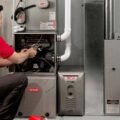
Access is essential for accurate testing and safe work. Clear the path to the air handler or furnace in the attic, closet, or basement so there is working space around the unit and return plenum. If the unit sits on a platform in the attic, remove storage bins and make sure the pull-down stairs operate smoothly. Outdoors, trim shrubs at least a couple of feet from the condenser so the cabinet panels can be removed and the coil can breathe. Ensure the electrical disconnect and whip are visible and reachable.
Inside, uncover the return grilles and remove any stacked items blocking supplies. Provide easy access to the electrical panel in case breaker ratings or wire sizes need to be checked. Plan to secure pets and warn the technician about slippery attic decking or a shallow scuttle opening. For airflow tests, leave registers open and set the thermostat to Cool before arrival so the system can run long enough to stabilize. A pile of laundry in front of the closet air handler can delay static pressure checks and blower testing more than people expect.
Airflow and Ductwork: What Testing Reveals
Many comfort complaints trace back to airflow and ducts, not just the condenser or coil. A contractor may drill test ports before and after the evaporator coil and then use a manometer to measure the total external static pressure. Comparing that value to the blower table reveals the delivered airflow per ton. High static pressure can be caused by an undersized return, a restrictive 1-inch filter, kinks in flex duct, or closed balancing dampers. That restriction reduces CFM across the coil, which can cause coil icing, low-temperature split, and poor humidity removal.
Duct leakage testing or simple smoke puffer checks can expose leaky panned returns, unsealed boots, and disconnected runs. In a two-story home with hot bedrooms, the culprit may be a constricted vertical chase or a flex duct compressed by attic storage. In one common scenario, upstairs doors stay closed and there is a single return downstairs. Adding a dedicated return on the second floor, upsizing a return grille, or installing transfer grilles can reduce static pressure and help a variable-speed blower move the right amount of air quietly. Be ready to discuss whether you are open to duct modifications during replacement.
Commissioning Expectations and What Comes Next
If you proceed with the replacement, ask how commissioning will be verified. Technicians should set blower speeds to match the coil and duct system, confirm charge using manufacturer tables and measured superheat or subcooling, and verify temperature split under a stable load. They will check thermostat configuration, especially for two-stage or variable-speed equipment, and confirm condensate drain slope, trap, and float switch operation. Line set condition and length affect charge and oil return; some jobs need line set replacement or thorough flushing. Refrigerant recovery, evacuation, and a tightness check are also part of responsible work.
After the visit, keep a folder with model numbers, blower tables, filter size, and any duct changes. Use the correct filter thickness and MERV rating for your return design to avoid excessive pressure drop. Schedule routine maintenance for coil and drain cleaning, and listen for new airflow noises around supply registers that could indicate shifting ductwork. If comfort issues persist in specific rooms, share temperature readings, door positions, and run times at your next appointment. Thoughtful preparation and follow-up provide the contractor with better data, which usually leads to more precise fixes and steadier summer comfort.