In today’s fast-paced business world, traditional, rigid office setups are quickly becoming obsolete. Small businesses and remote workers frequently operate in modest suites where every single inch counts. However, a small space does not have to feel cramped or uninspiring. By adopting a flexible workspace model, you can transform even the most limited room into a dynamic powerhouse of productivity, collaboration, and employee well-being.
Creating a flexible workspace requires a strategic blend of layout, clever furniture, and mindful design choices. Here is how small offices can make a major impact without requiring massive square footage.
The Power of Adaptable and Mobile Layouts
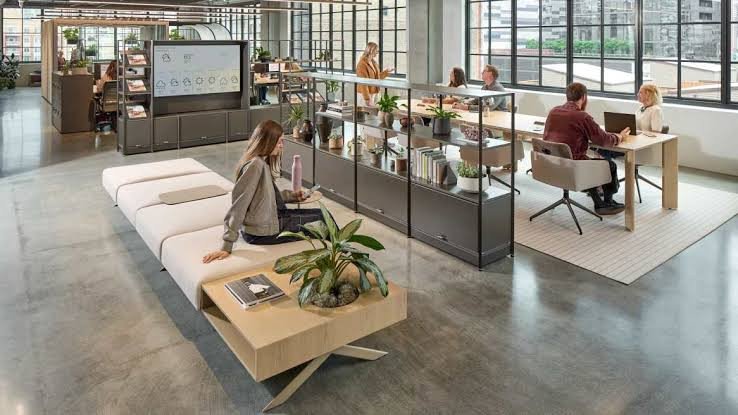
When spatial resources are tight, prioritizing adaptable layouts is essential. Heavy furniture and permanent partitions lock your office into a rigid, inefficient structure. Instead, businesses should embrace mobile solutions. When planning an upgrade, investing in quality office furniture in Las Vegas can provide companies with versatile pieces, such as rolling desks, foldable tables, and storage ottomans that double as guest seating.
With mobile furniture, teams can easily reconfigure their surroundings to suit the task at hand. A central desk can serve as an individual workstation in the morning, pivot into a collaborative meeting table for an afternoon brainstorm, and fold away afterward to clear the floor. Furthermore, defining distinct zones—such as dedicated quiet areas and collaborative breakout nooks—helps organize daily workflows and keeps the environment structured.
Think Upward: Capitalizing on Vertical Space
One common pitfall in small offices is relying solely on floor-based storage, which quickly leads to a cluttered workspace. The solution is to think vertically. Utilizing underused wall space keeps desks clear of clutter while ensuring essential tools remain within arm’s reach.
Wall-mounted shelves, hanging organizers, and pegboards provide customizable storage options that draw the eye upward, creating an illusion of openness. Floating desks can also be mounted directly to the wall to free up precious floor area. Properly executed vertical storage keeps documents and office supplies organized, maintaining a sleek, professional aesthetic that promotes focus and reduces visual noise.
Cultivating Well-Being through Biophilic and Minimalist Design
Physical environments deeply influence employee mood, stress levels, and cognitive function. In small, enclosed spaces, it is remarkably easy for clutter to cause mental fatigue. Adopting a minimalist design philosophy—focusing on clean lines, neutral colors, and keeping only essentials on work surfaces—helps foster a calm, focused atmosphere.
To open up the room visually, opt for light colors like whites and soft grays, which reflect light and make spaces feel airy. Incorporating mirrors is another simple yet effective trick to reflect light and create depth. Beyond aesthetics, integrating biophilic design elements significantly improves well-being. Introducing low-maintenance indoor plants, utilizing warm wooden textures, and ensuring plenty of natural airflow and task lighting can reduce stress and boost creative thinking.
High Tech, Low Clutter
A beautifully designed workspace is only as functional as the technology supporting it. In a small office, physical clutter is often exacerbated by a chaotic web of tangled cords and bulky hardware. Transitioning to a paperless environment is one of the quickest ways to reclaim space. By digitizing paperwork and utilizing secure cloud storage platforms, offices can entirely eliminate the need for space-consuming filing cabinets.
Additionally, reliable connectivity is the backbone of any modern flexible office. Small businesses must invest in commercial-grade routers to ensure seamless Wi-Fi coverage across all breakout areas and personal zones. Integrating smart tools like wireless casting devices, cloud-connected collaboration screens, and organized under-desk cable trays helps teams work efficiently while maintaining a clean, professional environment.
Conclusion
Ultimately, building a better workspace is not about the size of the office, but how thoughtfully the layout is designed. By prioritizing adaptability, capitalizing on vertical space, embracing biophilic design, and leveraging smart technology, small offices can operate with high efficiency. Small spaces can indeed have a massive impact, proving that flexibility is the key to modern productivity.