The choice of office space for rent is rarely just a property decision. For Malaysian business owners and founders, it sits at the intersection of operational performance, brand credibility and long-term growth strategy. The boardroom that impresses a prospective client, the open floor that energises a growing team, the address that positions a firm among serious players in its industry, all of these begin with one question: where, and how, a business chooses to work.
Malaysia’s micro, small and medium enterprises contributed RM652.4 billion, or 39.5 per cent of GDP, according to official statistics, and the majority of these businesses operate in knowledge-intensive, client-facing service sectors where workspace quality has a direct bearing on commercial outcomes. Yet too many firms treat office selection as a cost-minimisation exercise rather than a strategic investment. The businesses that grow with intention understand that the right environment shapes how teams think, how clients decide and how talent chooses to stay.
Before You Start: Key Facts on Office Selection
- Malaysia recorded 734,089 active enterprises, with 79.5% in the services sector, making office quality a competitive differentiator for knowledge-based firms.
- Hybrid workers globally now spend approximately 2.3 days per week in the office, according to Gallup, shifting office purpose from daily desks to collaboration hubs.
- Sixty-nine per cent of managers report that hybrid or remote work has made their teams more productive, according to Owl Labs’ State of Hybrid Work report.
- Grade A offices in Malaysia enjoy strong demand, while older stock struggles, highlighting the value of modern, well-located space.
- Total cost of occupancy includes rent, fit-out, downtime, staff turnover and inefficiency, not just base rental per square foot.
Introduction
For Malaysian businesses navigating a services-dominated economy, the physical workspace shapes far more than daily operations. It determines how teams collaborate under pressure, how clients form their first impression of a firm’s credibility and whether skilled employees choose to commit or quietly start looking elsewhere. Office space for rent is no longer a commodity decision to be resolved by cost per square foot alone. It is a strategic investment in operational efficiency, talent experience and market positioning, particularly in competitive urban corridors like Kuala Lumpur, Bangsar, Petaling Jaya and Penang where businesses are actively competing for clients and professionals in the same postcode.
The post-pandemic work landscape has also shifted expectations on both sides of the employer-employee relationship. Teams now value flexibility, commute convenience and workspace quality more than ever, while businesses require offices that can accommodate client-facing functions, hybrid schedules and a brand presence worth walking into. Getting this decision right, from the type of lease to the location to the design philosophy, can meaningfully influence a company’s growth trajectory in ways that extend well beyond the square footage on a floor plan.
Why Office Choice Matters in Malaysia’s MSME Economy
Malaysia’s MSME sector drives nearly 40 per cent of GDP, and most of these enterprises operate in services, where client interaction and knowledge work define success. The Department of Statistics Malaysia reports that 583,270 active enterprises, representing 79.5 per cent of all businesses, are service-oriented.
For consulting firms, tech startups, creative agencies and professional services, the office is the primary stage for client meetings, team ideation and brand expression. A central, modern office signals credibility and attracts high-calibre talent in competitive hiring markets.
How Office Design Influences Productivity and Collaboration
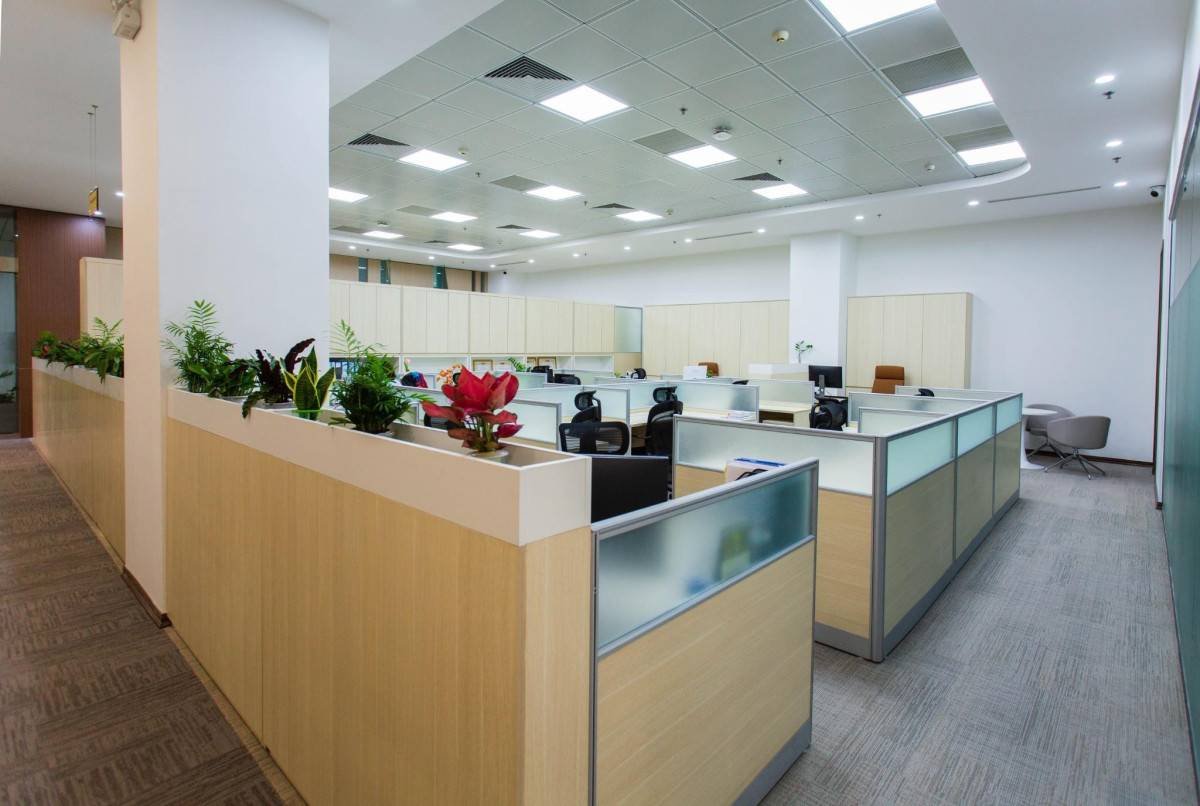
Office design shapes daily performance through layout, light, acoustics and flexibility. According to InBusiness Magazine, open layouts can encourage collaboration but also lead to distractions and reduced productivity, while fully closed designs may impair communication.
The most effective offices balance quiet focus areas with collaboration zones, ensuring hybrid teams can move fluidly between deep work and group problem-solving. Natural light, ergonomic furniture and acoustically treated meeting rooms support sustained output and reduce fatigue.
Legend Interiors, a Malaysia-focused design firm, notes that adding modular furniture and flexible spaces helps offices evolve with your business, reducing future renovation costs. This adaptability is especially valuable as teams scale or adopt hybrid models.
Matching Office Type to Growth Stage
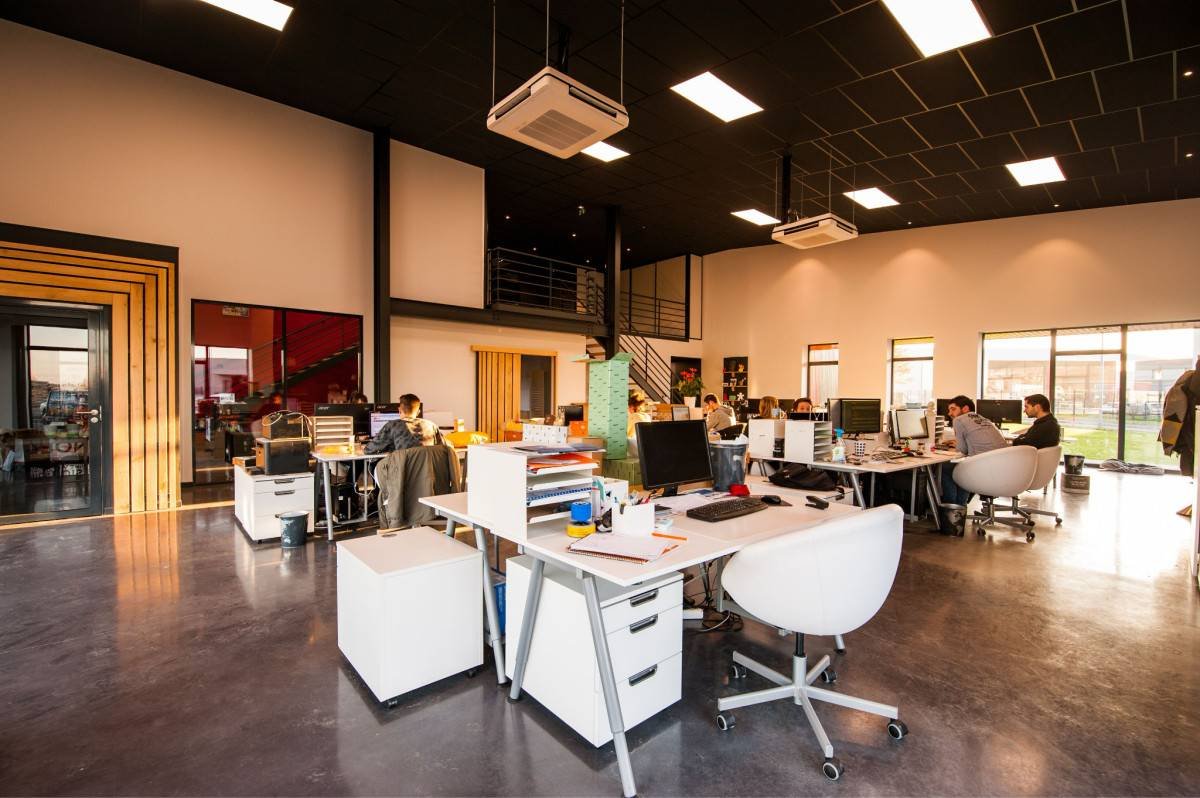
Different business stages demand different workspace solutions. Startups often begin with coworking spaces, gaining flexibility, shared amenities and low upfront costs while conserving cash for product development and marketing.
Scaling SMEs typically move to serviced offices or small private suites, offering branding control, dedicated meeting rooms and the ability to host clients without sharing common areas. Established companies lease traditional floors, customising fit-out to reflect culture and operational needs, though this requires longer commitments and higher capital.
Each transition reflects a trade-off between flexibility, cost and brand expression, and the right choice aligns with revenue trajectory, client expectations and team size.
Office Space as a Tool for Talent Attraction and Retention
In Malaysia’s competitive labour market, especially for technology, finance and creative roles, office location and quality form part of the employer value proposition. Employees increasingly weigh commute time, building amenities, proximity to transit and workspace design when choosing or staying with an employer.
Research on workplace choice found that commuting time and shared office amenities have the greatest impact on where people prefer to work. Offices near LRT lines, with on-site gyms, cafés and collaboration spaces, reduce friction and improve daily experience.
For businesses seeking to retain top performers, investing in a well-located, modern office can lower turnover and reduce the hidden costs of rehiring and retraining.
What the Data Actually Shows About Hybrid Productivity
A common assumption is that remote or hybrid work harms output, yet global evidence points in the opposite direction. Owl Labs reports that 69 per cent of managers say hybrid or remote work has made their teams more productive.
Gallup data shows hybrid workers now spend 46 per cent of their workweek, equivalent to 2.3 days, in the office, only slightly more than two years prior. This suggests hybrid work is stable, not a temporary trend.
For Malaysian firms, this means designing office space for rent around collaboration, client meetings and team-building, rather than requiring every employee at a desk five days a week. The office becomes a strategic asset for high-value activities, not merely a place to sit.
Comparison: Coworking vs Serviced Office vs Traditional Lease
| Feature | Coworking | Serviced Office | Traditional Lease
|
| Flexibility | Month-to-month or short-term contracts | 6–12 month agreements, easier exit | 2–3 year minimum, break clauses rare |
| Upfront Cost | Low; deposit typically one month | Moderate; deposit plus advance rent | High; deposit, fit-out, furniture |
| Branding Control | Shared identity, limited customisation | Private suite, some signage options | Full control over fit-out and design |
| Included Services | Internet, utilities, cleaning, pantry, reception | Internet, utilities, cleaning, meeting rooms | Tenant manages all services separately |
| Best For | Startups, freelancers, testing markets | Scaling SMEs, client-facing teams | Established firms, large headcount |

Real-World Example: How Office Upgrade Supported Revenue Growth
A mid-sized professional services firm in Kuala Lumpur approached Zerin Properties looking to move beyond a suburban coworking arrangement. After assessing the firm’s growth stage, client profile and team size, Zerin Properties matched them with a serviced office in Bangsar, complete with dedicated meeting rooms and a branded reception area. Within six months, the firm reported a 20 per cent increase in successful client pitches, attributed to improved client perception and the ability to host confidential discussions on-site.
The firm’s managing partner noted that proximity to LRT stations also reduced staff turnover, as employees valued shorter commutes and nearby amenities. The move carried higher monthly rent but delivered measurable returns in revenue and retention, an outcome that reflects Zerin Properties’ approach of aligning workspace decisions with long-term business objectives rather than rental cost alone.
Evaluating Total Cost and Return on Office Investment
Base rent per square foot is only one component of office cost. Total cost of occupancy includes fit-out expenses, downtime during relocation, service charges, utilities, parking, maintenance and the hidden cost of staff inefficiency in poorly designed space.
Knight Frank Malaysia’s market reports highlight that Grade A offices command premium rents but also attract premium tenants, support faster leasing and reduce vacancy risk. Investing in a higher-quality office can lower staff churn, improve client conversion and shorten sales cycles, delivering a positive return over the lease term.
Businesses should calculate the opportunity cost of inefficient space and compare it against the incremental rent of a better-located, better-equipped alternative.
Final Thoughts
Selecting office space for rent is a strategic decision that influences productivity, talent retention, client trust and ultimately business growth. For Malaysian enterprises, especially the 79.5 per cent operating in services, the right workspace is a competitive advantage.
Whether coworking for flexibility, serviced offices for branding or traditional leases for scale, aligning your office choice with your growth stage and work model sets the foundation for sustained success. Explore tailored office space solutions at Zerin Properties.