In the highly competitive landscape of residential real estate, the long-term success of a rental property is no longer solely determined by its location or square footage. Today’s renters are seeking more than just a roof over their heads; they are looking for a living experience that offers comfort, security, and a genuine sense of belonging. Achieving this requires property owners to adopt a dual focus on two fundamental pillars: hospitality and safety, explains Keyrenter St. Louis West Ellisville team.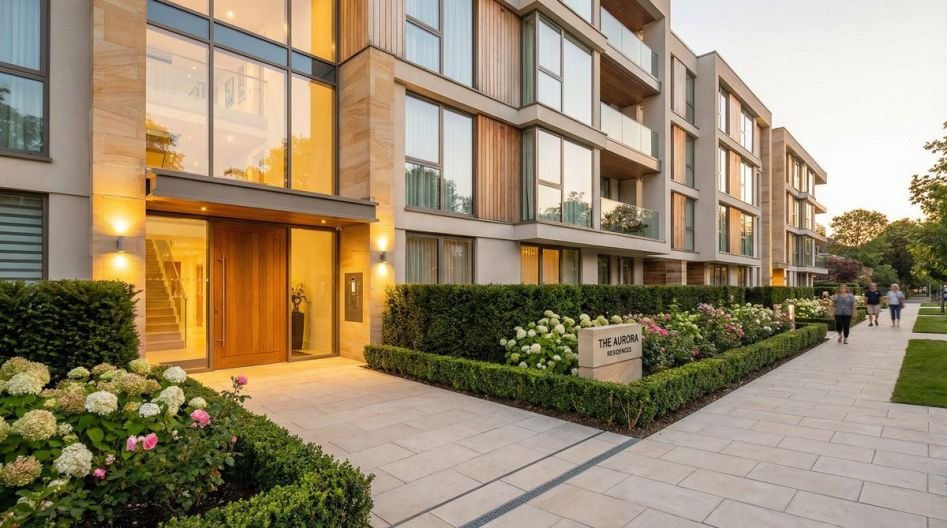
A well-maintained exterior sets the tone for a welcoming and safe rental property experience.
A property that feels welcoming fosters a sense of pride among residents, while a property that is demonstrably safe provides the essential peace of mind required for long-term occupancy. Recent industry data highlights the critical nature of this approach: approximately 31% of tenants who choose not to renew their leases cite poor maintenance and living experiences as their primary reason for leaving. For property owners and managers, implementing best practices in these areas is not merely a matter of aesthetics or legal compliance; it is a strategic investment. A proactive approach to property management serves as a powerful tool for asset preservation, reducing vacancy rates, and ultimately maximizing the return on investment.
The Intersection of Hospitality and Property Management
Creating a welcoming environment begins long before a tenant officially signs a lease. It starts with the physical presentation of the property and the quality of the initial interactions. Hospitality in property management involves anticipating the needs of residents and ensuring that the living environment actively supports their lifestyle. This commitment to excellence is immediately visible through high-quality curb appeal, meticulously maintained common areas, and an exterior that reflects a high standard of care. When prospective renters approach a building with clear signage, well-kept landscaping, and clean entryways, they instantly perceive value and professionalism.
A truly welcoming property is also defined by its responsiveness. When maintenance requests are handled promptly and professionally, residents feel valued and respected. Industry studies reveal that renters who are satisfied with their maintenance experience are 25% less likely to move out. To elevate this experience further, forward-thinking property managers are implementing “Tenant Welcome Packages.” These thoughtful gestures—which might include essential household items, a comprehensive guide to local amenities, and clear instructions for submitting maintenance requests—set a positive tone from day one and establish a foundation of mutual respect.
Prioritizing Physical Security and Resident Safety
Safety is a non-negotiable requirement for any residential property. A comprehensive security strategy involves both robust physical hardware and strict operational protocols. High-quality deadbolts, secure window latches, and solid core doors are the critical first line of defense against unauthorized access. For multi-family buildings, controlled access systems provide an essential additional layer of protection. Upgrading to smart lock technology has become increasingly popular, as it not only enhances security by allowing property managers to easily change access codes between tenants, but also offers unparalleled convenience for residents.
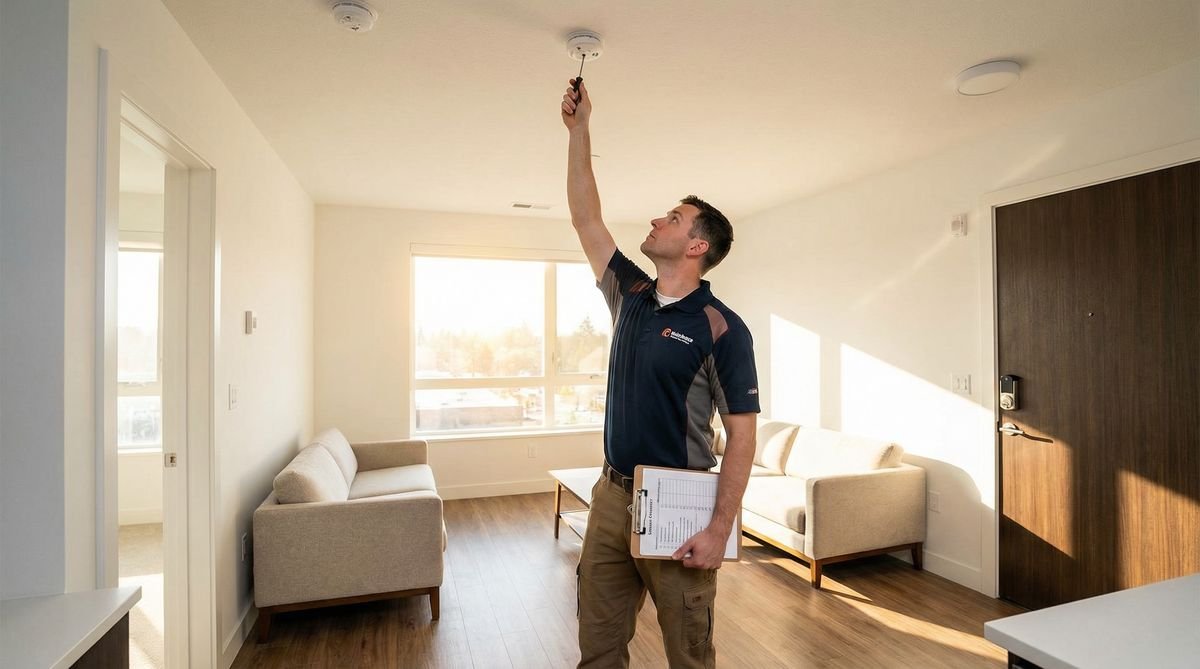
Beyond preventing unauthorized entry, safety encompasses the rigorous mitigation of environmental hazards. Regular inspections of smoke detectors, carbon monoxide alarms, and fire extinguishers are essential for meeting habitability standards and protecting lives. The importance of these checks cannot be overstated; data from fire protection organizations indicates that thousands of residential fires each year are caused by overlooked hazards, such as uncleaned dryer vents or outdated electrical outlets. Furthermore, maintaining walkways, stairs, and handrails to prevent slips and falls is a critical component of risk management that protects both the tenant’s well-being and the owner’s liability.
The Role of Smart Lighting and Technology
Lighting plays a uniquely powerful role in shaping both the safety and the overall atmosphere of a rental property. Adequate exterior lighting in parking lots, along walkways, and near entryways serves as a proven deterrent to criminal activity, ensuring that residents can navigate the property safely during evening hours. From an aesthetic perspective, warm and strategically placed lighting can transform a standard building exterior into an upscale, inviting home.
The integration of smart lighting technology represents a significant leap forward in property management. Utilizing motion sensors and programmable timers ensures that pathways are brilliantly illuminated exactly when needed, without wasting electricity during daylight hours or periods of inactivity. This technological upgrade not only enhances the security perimeter but also significantly improves energy efficiency, allowing property owners to create a safer environment while effectively managing utility costs.
Fostering a Sense of Community and Belonging
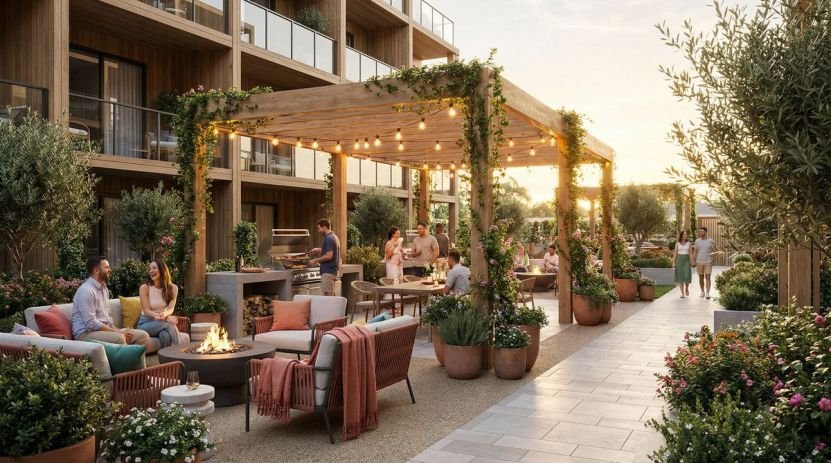
A truly exceptional rental property is one where residents feel a genuine sense of community. This environment can be actively encouraged through the thoughtful design and maintenance of shared spaces. Whether it is a beautifully landscaped communal garden, a modern fitness center, or a comfortable outdoor seating area with barbecue grills, these amenities provide natural gathering points. When residents have the opportunity to interact with one another in a safe, pleasant, and well-maintained environment, they are far more likely to develop strong social ties and a deep sense of loyalty to the property.
Professional management plays a crucial role in setting the tone for this community. Property managers act as the bridge between the physical building and the people who live there. By enforcing fair and consistent policies, addressing resident conflicts proactively, and maintaining open, transparent lines of communication, managers cultivate a harmonious living environment. Organizing occasional community events or simply sending out a monthly newsletter can make residents feel seen and heard, creating a living situation they are reluctant to leave.
Proactive Maintenance vs. Reactive Management
The operational philosophy behind property upkeep dictates both its financial success and its appeal to renters. Historically, many property owners relied on a reactive management style—waiting for something to break before taking action. However, the modern standard demands a proactive approach. Implementing a preventative maintenance schedule—which includes seasonal HVAC servicing, regular roof inspections, and proactive pest control—can prevent minor issues from escalating into catastrophic failures. Industry analysis reveals that a robust preventative maintenance strategy can deliver a remarkable return on investment, sometimes exceeding 500%, by extending the lifespan of expensive building systems and avoiding emergency repair premiums.
To understand the profound difference between these two philosophies, consider the following comparison:
| Management Aspect | Traditional Reactive Management | Best Practice Proactive Management |
|---|---|---|
| Maintenance Approach | Fixes appliances and systems only after they completely fail. | Conducts seasonal inspections and scheduled servicing to prevent breakdowns. |
| Security Measures | Relies on standard key locks; changes locks only when requested. | Installs smart locks and updates access codes instantly between tenancies. |
| Tenant Communication | Responds slowly to complaints; lacks a formal system for feedback. | Utilizes digital portals for instant requests and provides regular property updates. |
| ROI Impact | High emergency repair costs and elevated tenant turnover rates. | Lower long-term maintenance expenses and significantly higher tenant retention. |
Frequently Asked Questions
How do I make my rental property more welcoming for new tenants?
Creating a welcoming atmosphere starts with immaculate cleanliness and excellent curb appeal. Ensure the property is professionally cleaned before move-in. Providing a small “Welcome Package” with essential items, a neighborhood guide, and clear instructions for property features immediately establishes a positive, hospitable relationship.
What are the essential safety features required in a rental property?
At a minimum, properties must be equipped with functioning smoke detectors, carbon monoxide alarms, and secure locks on all exterior doors and windows. Additionally, providing fire extinguishers, ensuring adequate exterior lighting, and maintaining clear, hazard-free walkways are critical components of a comprehensive safety strategy.
How often should a landlord conduct property inspections?
While respecting tenant privacy is paramount, conducting bi-annual or annual preventative maintenance inspections is highly recommended. These scheduled visits allow property owners to check critical systems like HVAC, plumbing, and safety alarms, ensuring everything operates correctly and identifying potential issues before they cause significant damage.
Conclusion: Investing in the Resident Experience
Maintaining a welcoming and safe rental property is a multifaceted endeavor that requires consistent effort, strategic planning, and a genuine commitment to tenant well-being. By focusing on aesthetic upkeep, robust physical security, and intentional community-building, property owners can cultivate a high-quality living environment that naturally attracts and retains the best renters.
These best practices are not merely operational tasks; they are strategic decisions that directly influence the profitability of a real estate portfolio. Providing a safe and inviting home improves the daily lives of residents while simultaneously enhancing the long-term value of the asset. As the rental market continues to evolve, prioritizing the resident experience will remain the defining hallmark of successful property management, paying dividends through reduced turnover, lower vacancy rates, and an impeccable reputation.