The Smell You Stopped Noticing
Here’s the awkward truth about pet odor: the person who lives with it is usually the last one to smell it.
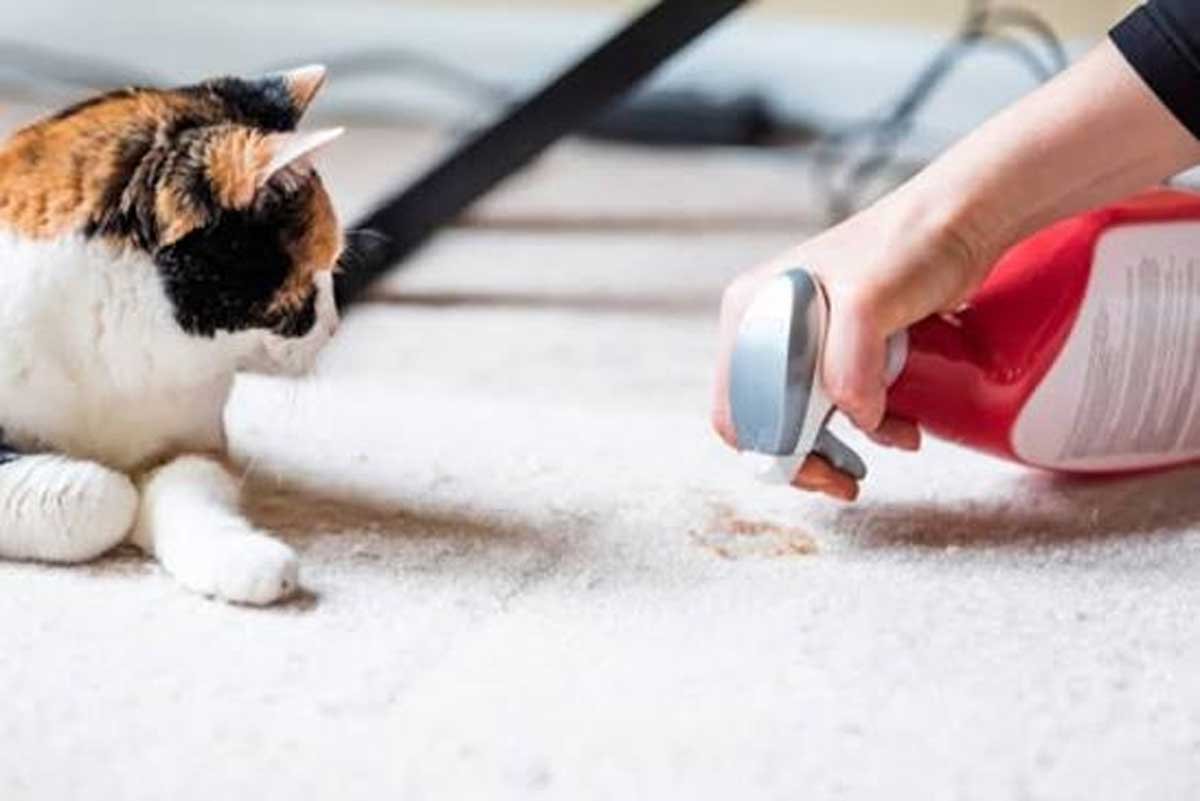
Noses adapt fast. After a couple of days in the same room, yours quietly files that musky, slightly sharp note under “home” and moves on. Then a friend walks in, pauses half a second too long, and you know. That pause is when most people start hunting for a fix, and when many of them reach for the wrong one: a spray, a scented candle, an open window, then the same again next week. The smell fades for an afternoon and comes back, which is why people eventually stop buying air fresheners and start looking at a professional option. If you’re in the New York area, a pet odor removal service is one of them.
You are far from alone. The American Pet Products Association’s 2025 survey reports about 94 million US households with a pet, up from about 82 million in 2023. That is a lot of carpet.
Why the Smell Keeps Coming Back
Most lingering pet odor isn’t fur. Fur smells a little, but it vacuums up. The usual culprit is urine, and it behaves differently once it dries.
Fresh urine sits on the surface and is fairly easy to deal with. As it dries, bacteria in it break down some of its compounds and release ammonia, the sharp smell people notice first. Cleaning-industry sources also describe uric acid crystals that stay behind in fibers and don’t dissolve in plain water, and say they can start smelling again when they get damp. Treat that last part as the industry’s explanation rather than settled science, but it fits what many owners report: the smell seems to vanish, then returns on a humid day or after the floor nearby gets mopped.
Either way, the practical point is the same. If a cleaner only covers the smell or only treats the top of the carpet, the source is still there.
Where the Problem Actually Lives
People clean the spot they can see. Urine rarely stays there.
- Carpet padding. Liquid goes straight through the carpet face and spreads in the pad underneath, often wider than the visible stain.
- Subfloor and baseboards. A spot the pet has used repeatedly can soak into the wood itself.
- Upholstery foam. Foam holds liquid like a sponge, so a sofa cushion can keep the smell long after the cover is washed.
- The bottom of walls. Pets that spray mark vertical surfaces, and painted drywall is porous.
- The floor under pet bedding. The bed gets washed. The rug beneath it rarely does.
A UV flashlight in a dark room can help you find old spots, since dried urine often shows up under it. It is not perfect, though. Other residues can glow too, so use it to find where to look, not to prove what you found.
Why Your Usual Fixes Didn’t Stick
Air fresheners mask. They put a louder smell on top of the original, and your nose ends up registering both.
Some common home remedies backfire too. The Humane Society of the United States advises against steam cleaners on urine, because the heat can bond the protein in the stain to man-made fibers and set both the stain and the odor. It also recommends avoiding ammonia and vinegar on set-in stains, since a strong chemical smell may encourage a pet to mark the same spot again. Scrubbing hard or soaking the carpet without extracting the water can push the urine deeper into the pad.
What to Do in the First Few Minutes
The sooner you get to an accident, the easier it is. For a fresh one:
- Blot, don’t rub. Press paper towels or a clean cloth into the area until they stop picking up liquid.
- Rinse the spot with cool, clean water and blot again, as the Humane Society’s cleanup guide describes.
- Apply an enzymatic cleaner made for pet urine and follow the label for how much to use and how long to leave it. Many products need the area to stay damp while they work, so don’t let them dry out too soon.
- Let the area dry completely, and keep the pet away from it until it has.
This is a first response, not a guarantee. If the accident has already dried, soaked into padding, or happened in the same place many times, surface cleaning alone often won’t be enough.
When a Professional Service Makes Sense
It’s worth calling in help when:
- the smell returns after you’ve cleaned the spot properly;
- the accidents are old, repeated, or covered a large area;
- you suspect the padding or subfloor is affected;
- the smell is in upholstery or foam you can’t easily extract.
A thorough job usually follows a sequence: locate every affected area, treat it with an enzymatic product, give it time to work, extract the residue, deal with any saturated padding or subfloor underneath, and dry the area quickly. Skip a step and the smell can return. Padding that is saturated may need replacing rather than cleaning, and a subfloor that has absorbed a lot may need sealing before new flooring goes down.
Don’t Forget the Pet
Cleaning won’t win if the animal keeps going back to the same place. Pets tend to return to spots that still smell like a bathroom to them, and their noses are far more sensitive than ours. That’s another reason partial cleaning fails: what smells fine to you may still read as “toilet here” to a cat or dog.
If a pet that was house-trained suddenly starts having accidents, a vet visit is worth it before you blame behavior. The Cornell Feline Health Center notes that medical problems such as urinary tract inflammation or infection can cause a cat to go outside the litter box, and stress can too.
Frequently Asked Questions
Can baking soda remove pet urine odor?
It can take the edge off a fresh, small accident, but it is not a substitute for cleaning. For urine, the Humane Society recommends blotting, rinsing with cool water and using an enzymatic cleaner made for pet waste.
Is vinegar good for cleaning pet urine?
The Humane Society advises avoiding vinegar and ammonia on set-in stains, because a strong chemical smell may encourage the pet to mark the same spot again.
Why does pet urine smell worse when the weather is humid?
Cleaning-industry sources attribute this to residue in the carpet absorbing moisture and starting to smell again. It is a common explanation among cleaners rather than a settled scientific finding, but many owners notice the same pattern.
Should I use a steam cleaner on pet urine?
The Humane Society advises against it, since the heat can set the stain and odor into man-made fibers.
When should I replace the carpet padding?
If the padding has soaked up a lot of urine or the smell keeps returning after proper treatment, replacement may be needed. A professional can check how far the damage goes.
A Calmer Way to Think About It
Pet odor isn’t a sign of a dirty home. It’s the side effect of living with an animal you love. The goal isn’t a perfect house. It’s finding the actual source, treating it properly, and breaking the cycle so the smell stops returning every time the weather turns damp.