Nothing signals “casual summer gathering” quite like a gingham tablecloth catching the afternoon light on a backyard table. It’s one of those patterns that instantly sets the mood before a single dish hits the table, and it works just as well for a kid’s birthday party as it does for an adult cookout with string lights and a cooler full of drinks.
If you’re planning your next backyard bash and wondering whether gingham tablecloths for a backyard party are the right call, here’s everything worth knowing before you buy, from color choices to sizing to a little bit of the pattern’s surprisingly long history.
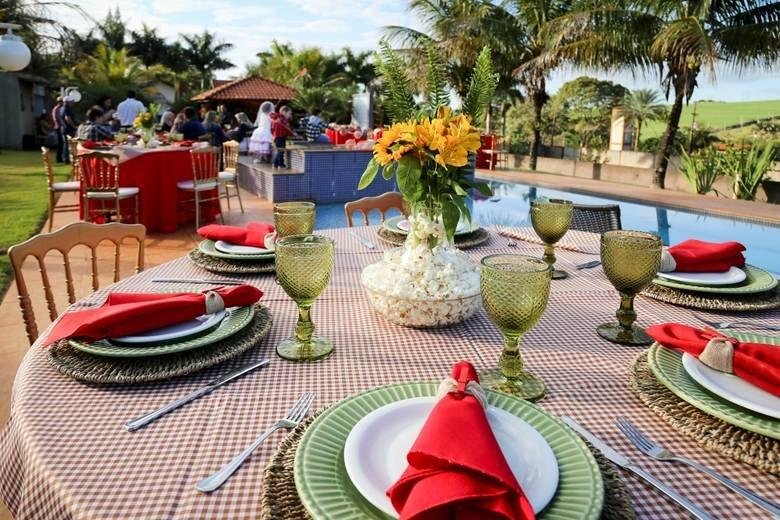
Why Gingham Works So Well Outdoors
Gingham’s checked pattern does something most solid-colored tablecloths can’t: it hides everyday party mess without looking like it’s trying to. Ketchup drips, grass stains, and the occasionally spilled lemonade all blend into the pattern far more forgivingly than they would on a plain white cloth, which matters a lot when the party includes kids, pets, or both.
It also photographs beautifully outdoors. Gingham’s high contrast pattern holds up well in bright sunlight, unlike some pastel solids that can look washed out in harsh midday light.
Choosing the Right Gingham Color for Your Party
Gingham comes in far more colors than the classic red and white most people picture first, and the color you choose changes the whole feel of the table.
Red and white reads as classic Americana, perfect for a Fourth of July cookout or a retro-themed birthday party.
Blue and white feels a little more relaxed and coastal, a great fit for a summer pool party or a laid-back evening gathering.
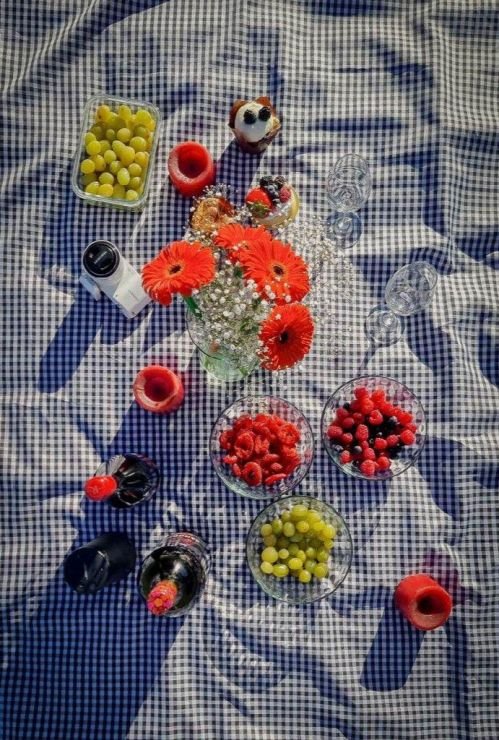
Black and white brings a surprisingly sophisticated edge to an outdoor party, especially paired with simple white dinnerware and greenery.
Pastel gingham, in soft pink, yellow, or green, works beautifully for a baby shower, bridal shower, or springtime birthday party.
Premier Table Linens’ 2026 collection offers gingham tablecloths in several of these color options, sourced in a durable poly-cotton blend that holds its color and pattern crispness through repeated outdoor use and washing, which matters more for backyard entertaining than almost any other setting, since these tablecloths are going to see sun, wind, and plenty of real use.
The Surprisingly Long History Behind the Pattern
Gingham feels distinctly American and distinctly summery, but the pattern has centuries of history behind it. As Gingham is picnic’s favorite pattern, a piece from Sartorial Magazine traces, the fabric was first woven in Dutch-colonized Malaysia in the 17th century, popularized across Europe by Dutch and English traders, before the United States adopted it in the 19th century as an affordable, durable fabric option for both farm work and everyday clothing.
That practical, hardworking history is a big part of why gingham still feels so at home at a backyard party today. It was never meant to be precious or high maintenance, which is exactly the vibe most casual outdoor gatherings are going for.
What Size Gingham Tablecloth Do You Need?
Backyard party tables come in more shapes and sizes than a formal dining room ever does, so measuring matters here. For a standard 6-foot folding table, look for a rectangular tablecloth roughly 90 by 132 inches for a full floor-length drape, or a slightly smaller size if you prefer the cloth to just reach the seat height of nearby chairs. For round patio tables, measure the diameter and add 20 to 30 inches total for a comfortable drop on all sides.
If you’re combining multiple tables for a bigger gathering, buying two or three matching gingham cloths in the same color and pattern scale looks far more intentional than trying to stretch one oversized cloth across a pieced-together table setup.
One detail hosts often overlook: outdoor tables aren’t always perfectly flat. A slightly uneven patio surface or a folding table with a bit of wobble can make a too-small cloth look like it’s sliding off center within the first hour of the party. Sizing a little generously, rather than cutting it close to save fabric, keeps the table looking put-together even as guests bump the table edge or shift their chairs throughout the afternoon.
How Do You Style a Gingham Tablecloth for a Backyard Party?
Gingham is bold enough to be the star of the table, which means the rest of your styling should stay relatively simple. A few pairings that work particularly well:
Mason jar centerpieces with wildflowers or greenery keep the look casual and unfussy.
Simple white or kraft paper plates let the tablecloth pattern stay the visual focus rather than competing with a busy dinnerware pattern.
String lights overhead extend the party into the evening without needing to swap out the tablecloth or décor.
A single accent color, pulled from the gingham itself, in napkins or a table runner ties the whole setup together without overcomplicating it.
Frequently Asked Questions
Is gingham too casual for an adult party?
Not at all. A black and white or navy and white gingham, paired with simple, elevated dinnerware and proper lighting, reads as intentionally relaxed rather than underdressed, even for a grown-up backyard gathering.
Does gingham fade in direct sunlight?
A well-made poly-cotton gingham tablecloth is built to resist fading far better than a thin cotton print, though rotating tablecloths between uses and storing them out of direct sun when not in use will extend the color life of any pattern.
Can I use the same gingham tablecloth indoors after the party season ends?
Yes, gingham works just as well on an indoor kitchen table as it does outdoors, particularly in cooler tones like blue or black that read a bit less exclusively “summer.”
Making the Backyard the Real Party Destination
A great backyard party comes down to a handful of details working together, and the tablecloth is one of the easiest to get exactly right without a big budget or a complicated setup. Once you’ve picked the color that fits your event, measured your tables honestly, and kept the rest of the styling simple, the table itself becomes one of the best parts of the whole gathering.
From here, the food, the games, and the guest list are really the only things left to plan, and that’s the kind of party prep most hosts actually enjoy.