Ever stood in the tile aisle at the hardware store, feeling totally lost? Yeah, me too. There’s just something about picking between ceramic and porcelain tile that gets confusing fast. I’ve been through a couple of remodels—some successful, some… well, let’s just say I learned a lot. If you’re wondering which tile is right for your home, here’s what I wish someone had told me in plain English.
The Basics: What Are These Tiles, Anyway?
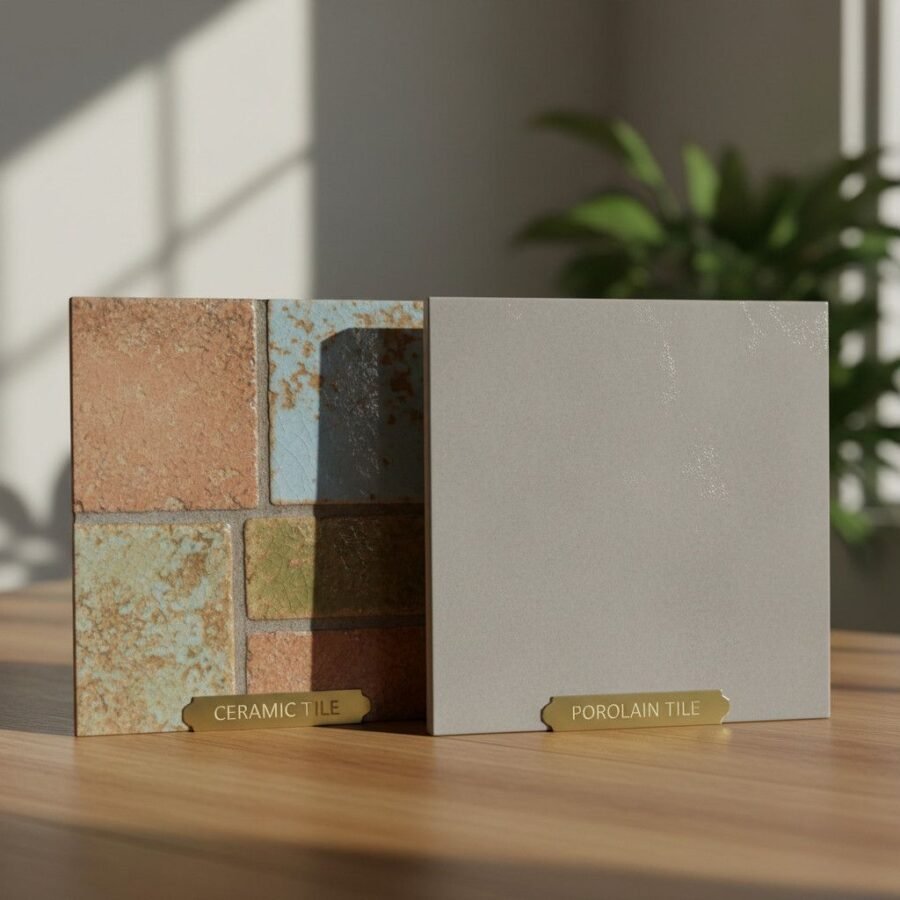
Honestly, before my first bathroom redo, I thought all tiles were pretty much the same. Turns out, nope! Ceramics are made with a basic clay blend and fired up, so they’re sturdy but not crazy dense. Porcelain is like ceramic’s overachieving cousin—finer clay, higher temps, super tough. When it comes to the ceramic vs porcelain tile debate, understanding this difference can save you from some costly mistakes down the road.
Everyday Differences (a.k.a. What Actually Matters)
Let’s say you’re redoing your kitchen floor. You’ve got kids, maybe a dog, and you don’t want to replace tiles every time someone drops a frying pan. That’s where porcelain really shines—waterproof, hard as nails, and not likely to chip. But if you’re tackling a smaller project—like a cozy reading nook or a guest room—ceramic is just easier to work with and usually cheaper.
Here’s what I figured out the hard way:
1. Porcelain tiles are like the superhero of wet zones—think bathroom floors, kitchen splash zones, patios. 2. Ceramic tiles are budget heroes and super DIY-friendly. If you like switching things up every few years, they’re your jam. 3. Busy, messy areas? Go porcelain. Low-traffic or artsy spaces? Ceramic’s perfect.
Installing & Living With Them
Here’s where my DIY spirit hit a wall—literally. Ceramic tiles? No problem. I could cut them with a basic snap cutter while blasting my favorite playlist. Porcelain? I had to borrow my neighbor’s wet saw and even then, it felt like a workout. If you’re not into power tools, you might want a pro for porcelain.
Maintenance is easy—just a quick sweep and mop. Porcelain shrugs off stains, which is handy if you forget to clean up right away (guilty).
Looks & Personality
Ceramic tiles are like a box of crayons—so many colors and patterns. Porcelain, though, does this wild thing where it looks just like wood or stone. My friend went with wood-look porcelain in her kitchen, and I swore it was real hardwood until she told me! That’s one of the big perks in the ceramic vs porcelain tile conversation—porcelain’s ability to mimic so many natural materials.
Where They Work Best
Ceramic: Bedrooms, low-traffic living spaces, splashy backsplashes.
Porcelain: Bathrooms, kitchens, laundry rooms, patios—basically anywhere you expect messes or moisture.
A Quick Word on the Environment
Both are made from natural stuff, but porcelain uses a bit more energy in the process. Something to think about if you’re eco-minded.
FAQs
Q1: Can I put ceramic tiles in my shower?A1: You can, but porcelain is less likely to soak up water—less mold, less mess.
Q2: Will porcelain crack if I drop something heavy?A2: Nope, it’s super tough. I’ve dropped a cast iron skillet and barely made a scratch.
Q3: Are tile floors always cold?A3: Most are, unless you add radiant heating underneath (which, by the way, feels amazing in winter).
Q4: Can I put ceramic tile outside?A4: Not the best idea—porcelain holds up better to rain and freezing temps.
Q5: Do I have to seal my tiles?A5: Porcelain, usually not. Ceramic, sometimes—especially if it’s unglazed and going somewhere wet.
Conclusion
Tile isn’t just about looks; it’s about how you live. After two remodels and lots of trial and error, I’d say: Go porcelain if you want a set-it-and-forget-it floor. Pick ceramic if you love color, patterns, and saving money. Either way, you’ll get a space that feels like home.