Air conditioning equipment needs more than enough room to fit. Indoor and outdoor units also require practical clearance so technicians can inspect, clean, test, and replace components later. A condenser crowded against fencing, an air handler squeezed beneath framing, or a service panel blocked by storage can turn routine maintenance into a difficult job. These access problems may not become obvious until years after installation. Air conditioner installers can consider service doors, coil access, filter removal, electrical panels, drain connections, and surrounding structures before positioning equipment, helping homeowners avoid layouts that make future maintenance unnecessarily complicated.
Planning Access Before Equipment Is Positioned
Service Panels Need Enough Space for Routine Inspection
Every air conditioning system contains components that technicians may need to reach during maintenance or diagnosis, including electrical connections, capacitors, contactors, blower assemblies, coils, filters, and drain components. If a unit is installed too close to a wall, fence, cabinet, or structural post, removing a service panel can become difficult or impossible without moving other materials first. Dynamic Heating & Cooling, Refrigeration of El Paso can be considered when homeowners want installation planning that accounts for practical service access and equipment placement. Installers can review which sides of the system have removable panels and leave usable working space around them. This preparation matters because routine inspection should not require dismantling surrounding construction. It can also make future troubleshooting more efficient because technicians have room to use meters, gauges, cleaning equipment, and hand tools safely. Adequate clearance therefore supports maintenance throughout the equipment’s life, rather than treating installation as a one-time positioning decision.
Outdoor Condensers Need Open Space for Airflow and Cleaning
Outdoor units depend on unobstructed airflow to release heat collected from inside the home. Clearance around the condenser therefore affects both system operation and future maintenance. A unit installed tightly between walls, landscaping, fencing, or storage structures may struggle to draw in and exhaust air. Crowded placement can also make coil cleaning harder because technicians need access to the cabinet and surrounding fins. Over time, leaves, dirt, grass clippings, and other debris can collect around the coil, so the ability to approach and clean the unit matters. Installers can consider manufacturer clearance requirements, prevailing airflow, nearby landscaping, and the path technicians will use to reach the equipment. Homeowners should also think about future yard changes, since shrubs and fencing may grow or move closer to the condenser over time. Leaving practical working space from the start helps preserve airflow and accessibility, reducing the likelihood that landscaping or construction must later be removed just to complete routine service.
Indoor Air Handlers Require Access to Coils and Filters
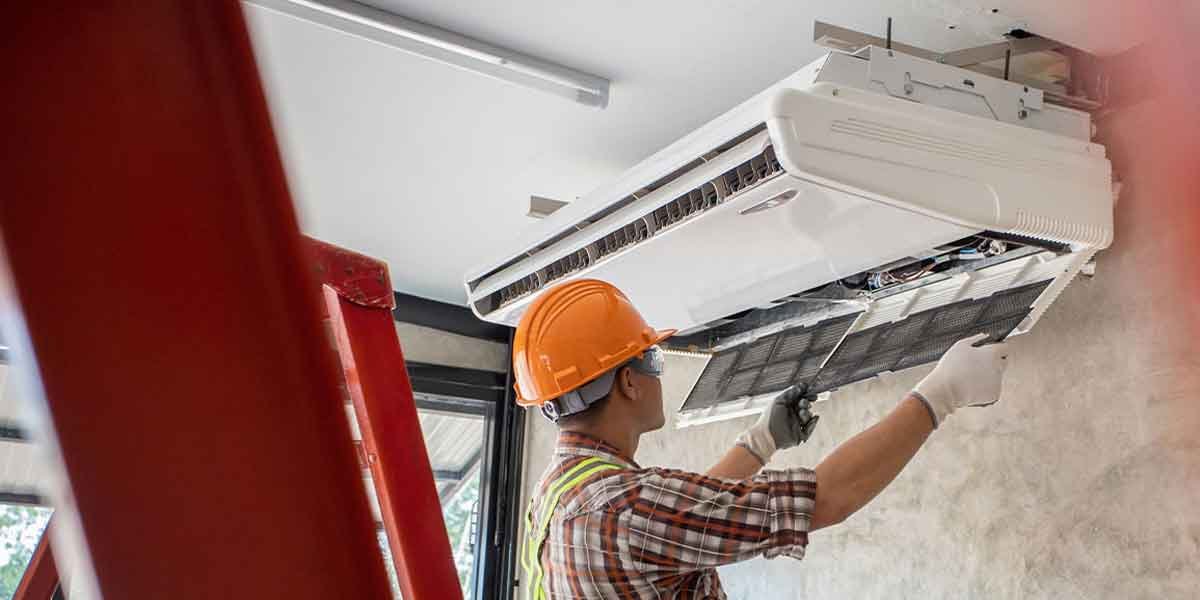
Indoor equipment can be even more challenging when installed in attics, closets, utility rooms, or other tight locations. Air handlers need enough clearance for filter replacement, evaporator coil inspection, blower service, condensate drain cleaning, and electrical access. If a filter must bend around a door frame or a coil panel cannot be removed because of nearby framing, routine maintenance becomes more difficult. Installers can evaluate not only whether the equipment fits but also whether major components can be removed if repairs become necessary. This may influence the unit’s orientation, the placement of access doors, and how nearby pipes or wiring are routed. Attic installations also need a safe path for technicians to reach the unit without stepping across unsupported areas or squeezing beneath obstacles. Planning these details early can reduce disruption later. Proper access lets technicians perform maintenance more thoroughly and makes it easier to catch problems before they become larger issues that affect comfort or equipment reliability.
Drain and Refrigerant Connections Should Remain Reachable
Air conditioning systems rely on more than the main equipment cabinet. Refrigerant lines, condensate drains, electrical disconnects, service valves, and other connections may require inspection throughout the system’s operating life. Installing these components behind permanent shelving, walls, decorative screens, or inaccessible corners can complicate future maintenance. Condensate drains are especially important because blockages may need clearing, traps inspected, and fittings serviced. Refrigerant service ports also need enough space for gauges and tools when technicians test system pressures. Air conditioner installers can route these connections with maintenance access in mind rather than simply choosing the shortest possible path. This approach can also help protect lines from accidental damage while keeping important service points visible and reachable. When equipment is replaced years later, accessible connections can simplify removing and installing the new system. Thoughtful routing therefore supports both regular maintenance and future equipment changes, reducing the need to open finished surfaces or remove nearby structures simply to reach essential components.
Better Clearance Makes Future HVAC Service Easier
Air conditioner installers matter because equipment placement affects every maintenance visit. Adequate clearance around service panels, condensers, air handlers, filters, coils, drains, and refrigerant connections gives technicians room to inspect and service the system properly. Crowded installations may function initially but create avoidable problems when cleaning, repairs, or replacement become necessary. Planning access before securing equipment can also protect airflow and reduce the need to alter fences, cabinetry, framing, or landscaping later. When serviceability is part of the installation design, homeowners get an air conditioning system that is easier to maintain throughout its operating life.