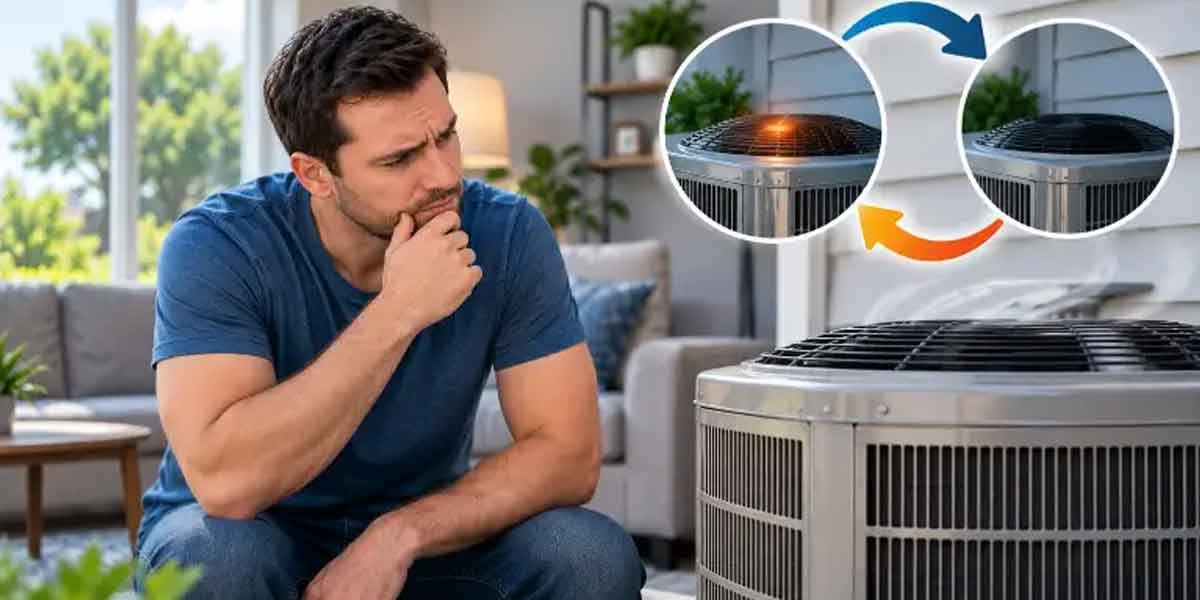
Few HVAC problems are as frustrating as an air conditioner that keeps starting and stopping every few minutes. This pattern, called short cycling, increases energy bills, adds wear to the compressor, and can leave rooms feeling clammy because the system does not run long enough to remove enough moisture from the air. Homeowners often first notice brief bursts of cool air, frequent clicks from the outdoor condenser, or a thermostat that never settles at the setpoint. This is not a problem to ignore. Short cycling usually signals an underlying airflow, control, or refrigerant issue that can become more difficult and expensive to correct if it continues.
Early Signs Your AC Is Short Cycling
Watch for the compressor and outdoor fan switching on and off at short intervals, such as every 3 to 8 minutes, with little sustained cooling. Inside, you may feel cool supply air briefly, followed by warmer or stagnant air because the coil never reaches stable operating conditions. Some systems may trip a breaker or display a diagnostic LED code on the control board after repeated short cycles. Ice on the suction line near the air handler, a damp air filter, or water in the condensate pan can also indicate short operating cycles or coil temperature problems.
It is important to distinguish true short cycling from normal system operation. Two stage or variable speed systems often run at lower capacity for longer and steadier cycles. On mild days, any AC system may operate for shorter periods without indicating a problem. Also check your thermostat settings for cycles per hour or temperature differential. An overly aggressive setting can cause frequent starts. If you are unsure how your equipment is designed to operate, a licensed HVAC company such as Temperature Solutions A/C and Heating can determine whether the behavior is normal system staging or a symptom that requires attention.
Common Root Causes and How They Create Rapid Cycling
Oversized equipment is a frequent cause of short cycling. A 5 ton condenser serving relatively small rooms or restrictive ductwork can lower the temperature around the thermostat quickly, causing the system to shut down before the evaporator coil reaches stable operating conditions. This can leave humidity levels high and increase static pressure, which may further restrict airflow and encourage coil icing. Thermostat placement can make the issue worse. If a thermostat is exposed to direct sunlight or positioned too close to a supply register, it may detect rapid temperature changes that do not accurately represent the rest of the home.
Airflow restrictions can also cause short cycling by pushing evaporator coil temperatures below freezing. A clogged 1 inch filter with a high MERV rating, several closed supply registers, or a dirty evaporator coil can all reduce airflow across the coil. Ice may then form, causing a low pressure safety control to interrupt system operation. When the ice melts, the unit may restart and repeat the same pattern. Low refrigerant caused by a leak can create a similar sequence. Low suction pressure can make the evaporator excessively cold, frost can develop, and protective controls may shut the system down.
What You Can Safely Check Before Calling a Technician
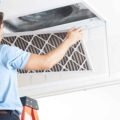
Begin with the air filter. If you use a 1 inch pleated filter, replace it when it appears heavily loaded or according to the manufacturer’s recommended schedule. During periods of heavy cooling, some filters may require more frequent replacement. Consider whether an extremely high MERV filter is restricting airflow in a system that was not designed for it. A deeper 4 inch media cabinet can often provide improved filtration with less resistance than a dense 1 inch filter. Open all supply and return vents, particularly in rooms where vents were closed in an attempt to redirect air elsewhere. Make sure furniture, rugs, and other objects are not blocking return grilles.
Inspect the thermostat as well. Confirm that it is not exposed to direct sunlight, positioned near a lamp, or installed above electronics that produce heat. Review the cooling differential or cycles per hour setting and use a moderate value appropriate for the equipment. Outdoors, remove leaves, grass clippings, and other debris from around the condenser and maintain adequate clearance according to the manufacturer’s recommendations. At the air handler, inspect the condensate pan if it is safely accessible. Water near a float switch may indicate a clogged drain that is shutting the system down to prevent an overflow. If the indoor coil or suction line is covered with ice, turn cooling off and allow the system to thaw before attempting to operate it again.
Technician Diagnosis You Should Expect
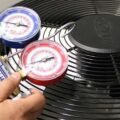
A qualified technician will use measurements to determine what is causing the short cycling. They may measure total external static pressure with a manometer to identify duct restrictions, compare supply and return air temperatures to evaluate cooling performance, and use refrigerant gauges or digital probes to measure superheat and subcooling. These readings can help determine whether the refrigerant charge is low, the thermostatic expansion valve is operating correctly, or the evaporator coil is being starved of refrigerant or airflow. The technician may also test the contactor and capacitor serving the condenser fan and compressor, check blower motor operation, and review control board fault codes that indicate protective shutdowns.
Consider two realistic outcomes. In one home, an oversized condenser combined with undersized ductwork creates excessive static pressure. The solution may involve adjusting blower settings, adding return air capacity, and enlarging a restrictive section of ductwork. Duct improvements may cost more initially, but they address the underlying airflow and comfort problems rather than simply changing thermostat settings to hide the symptoms. In another home, the technician may find low subcooling and trace the problem to a refrigerant leak in the evaporator coil. Adding refrigerant may restore cooling temporarily, but without repairing the leak or replacing the damaged coil, icing and short cycling are likely to return. The technician should explain the practicality of repair compared with replacement and follow applicable refrigerant handling requirements.
Preventing Repeat Short Cycling Over the Season
Routine maintenance can reduce the conditions that lead to rapid cycling. Replace filters according to the dust load in your home and the filter manufacturer’s recommendations. Keep the evaporator and condenser coils clean so heat transfers efficiently, and trim vegetation around the outdoor unit to maintain proper airflow. Keep the condensate drain clear according to manufacturer and service recommendations so float switches do not interrupt operation. If the thermostat is located near a supply register or on a wall exposed to strong sunlight, relocating it may improve temperature sensing. If relocation is not practical, redirect nearby airflow and use appropriate thermostat settings to support longer cooling cycles.
Use programmable or smart thermostat settings carefully. Large temperature setbacks can create long recovery periods and may increase the number of starts under certain operating conditions. Smaller and steadier setpoint adjustments can reduce unnecessary cycling and compressor stress. If you have a two stage or variable speed system, configure compatible controls to allow longer operation at lower capacity when appropriate. For single stage systems with marginal airflow, avoid extremely restrictive 1 inch filters. A properly sized media filter or additional return air capacity may provide a better balance between filtration and airflow.
Short cycling is a symptom rather than a normal operating characteristic to accept. Frequent starts and stops can indicate that airflow, refrigerant conditions, equipment sizing, or thermostat control is out of balance, and the pattern can increase wear on expensive components such as the compressor. Begin with simple checks by replacing a dirty filter, opening vents, inspecting accessible condensate drainage, and reviewing thermostat settings. If the system develops ice, stop cooling and allow it to thaw before further operation. When the problem continues, a professional evaluation that includes airflow measurements, electrical testing, and refrigerant diagnostics can identify the underlying cause. Correcting short cycling can protect the equipment, reduce energy use, and provide more consistent cooling and humidity control throughout the summer.