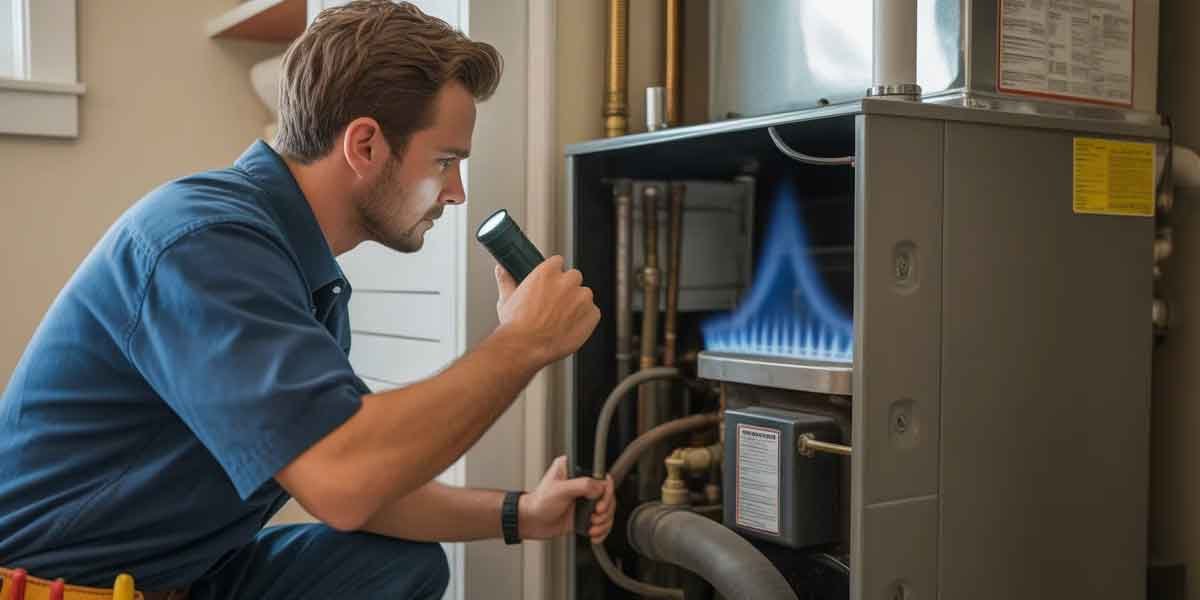
When a heating system misbehaves, the difference between a quick fix and a midwinter breakdown often comes down to how you respond to the first signs of trouble. Home furnaces rely on a chain of components that must all work in step: the thermostat signaling a call for heat, the inducer motor clearing the flue, the igniter lighting burners, and the blower moving warm air through supply ducts. Recognizing early red flags, knowing which checks are safe, and understanding when to power down protect your equipment and your home. This guide focuses on practical diagnostics you can do before a professional visit.
Early symptoms that point to a furnace fault
Two common complaints are short cycling and lukewarm air from supply registers. Short cycling, where burners light but shut down within a few minutes, often traces back to restricted airflow tripping the high-limit switch or a dirty flame sensor misreading the flame. Tepid air may reflect a failing hot-surface igniter, a miscalibrated thermostat, or a blower set too slow for the heat rise. In either case, scheduling a Furnace repair service visit after you complete the safety checks below can prevent repeated lockouts and stress on the heat exchanger.
Noises and odors also reveal specific issues. A metallic screech can signal a dry blower motor bearing or a slipping belt on older belt-driven blowers. A dull rumble after shutdown can hint at delayed ignition at the burners. A sharp, electrical smell may indicate a failing blower capacitor, while a sweet, musty odor might point to water pooling from a clogged condensate trap in a high-efficiency condensing furnace. If a carbon monoxide alarm sounds, treat it as an emergency, ventilate, and shut the system down immediately.
Likely causes mapped to those symptoms
Short cycling, paired with a very hot furnace cabinet, usually indicates poor airflow. A clogged return filter, closed supply registers, or a matted evaporator coil above the furnace can increase static pressure and cause the high-limit switch to open. Repeated ignition attempts without sustained flame often involve a fouled flame sensor or a cracked igniter. Condensing units that fail to light on wet days may have a blocked PVC intake or a full condensate trap that holds the pressure switch open. Uneven room temperatures can result from duct leaks at takeoffs or an undersized return duct starving the blower.
Consider the trade-offs you might be creating. Extra-dense, high-MERV filters capture fine dust but can choke airflow if your return duct is undersized, increasing heat exchanger temperatures and fuel use. Closing several supply registers to “force” heat into a cold room raises static pressure and can actually reduce total airflow, worsening short cycling. A thermostat placed above a supply register can end the heat call early, leaving distant rooms cool. These relationships help you decide whether to adjust usage patterns, change consumables, or call a technician for more in-depth testing.
Safe checks you can do in 15 minutes
Start with the return-air filter. Confirm the arrow faces the blower, and replace the filter if it is collapsed, gray, or matted. If you recently switched to a higher MERV filter, try a less restrictive media temporarily and see if short cycling subsides. Replace thermostat batteries, set the fan to Auto, and make sure the furnace disconnect switch and service breaker are on. Outdoors, verify that PVC intake and exhaust terminations are clear of leaves, snow, and nests. Open all supply and return grilles, and look for obvious kinks in flex duct near the furnace.
For condensing furnaces, inspect the clear condensate trap and tubing; if you see debris or standing sludge, do not force it through. Unplug the furnace, place a container under the trap, and carefully empty it before reinstalling. One power-cycle reset is reasonable after a filter change or cleared vent, but do not repeatedly reset a system that locks out. Never bypass a door switch, jump thermostat wires without certainty, or remove a burner cover to “clean” the flame sensor. Those steps belong to a trained professional with the right meter and combustion safety tools.
When to power down and call a professional
Some signs call for immediate shutdown. If you see flames rolling out of the burner compartment, soot on the heat exchanger face, or scorch marks near rollout switches, cut power, close the gas valve, and keep the area clear until a technician can inspect it. If a carbon monoxide alarm activates, ventilate, turn the furnace off with the service switch, and leave the space until you can confirm safety. Water around the furnace base, especially on condensing models, can compromise controls and should be addressed before further operation.
Other conditions justify a quick call even if heat continues. A blower that runs continuously with no heat may indicate a stuck fan relay or an open high-limit switch caused by airflow problems. Persistent ignition retries, chirping from the inducer motor at start-up, or repeated pressure-switch faults suggest venting or combustion issues that need diagnosis with a manometer and combustion analyzer. Continuing to operate under these faults can stress the heat exchanger or overheat the blower motor, turning a minor repair into a major one.
What technicians test and how that shapes your decision
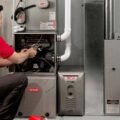
During a diagnostic visit, a technician verifies temperature rise across the heat exchanger, measures total external static pressure with a manometer, and checks blower speed taps or ECM settings to match airflow to the furnace’s rated output. They may clean and test the flame sensor, ohm and visually inspect the hot-surface igniter, and confirm inducer vacuum at the pressure switch port. On condensing units, they will clear the condensate trap, confirm proper vent pitch, and look for flue blockage. Electrical checks often include testing the blower capacitor and inspecting wire connections for heat damage.
These findings guide next steps. For example, a high static pressure reading might prompt duct sealing, opening additional returns, or adjusting blower speed, not just swapping parts. A cracked igniter may be replaced on the spot, while evidence of repeated high-limit trips points to cleaning a packed evaporator coil or revisiting filter selection. If a heat exchanger shows signs of failure, a technician will recommend taking the unit offline and discussing replacement. Whichever path you take, keep up with prevention: change filters on schedule, keep intake and exhaust pipes clear, and have a pro clean burners and verify safety controls before heating season.
A thoughtful response to furnace trouble protects comfort, equipment, and safety. Start with the low-risk checks that restore airflow and rule out simple issues, then avoid the temptation to repeatedly reset a system that is trying to protect itself. Power down for any combustion, electrical, or carbon monoxide concerns. When you do call in a specialist, share the exact symptoms you observed, including noises, smells, and when lockouts occur. Those details help a technician pinpoint faults faster, reduce repeat visits, and keep your home reliably warm through the coldest nights.