Not long ago, buying a new mug or wall print meant a Saturday at the mall. Now you scroll through Pinterest with your morning coffee and check out before it gets cold.
Home & living ecommerce trends are changing how you refresh a room, host a dinner, or shop for a gift. Here are 12 shifts worth watching if you care about how your space comes together.
The Top 12 Home & Living Ecommerce Trends
1. Personalized Home Textiles
Shoppers are done with the same throw pillows their neighbors own. Personalized textiles — pillows, blankets, and tablecloths — have become the fastest way for people to make a space feel like their own.
Weddings drive a lot of this. Couples order a custom tablecloth printed with their wedding date, then use it again on anniversaries. Birthdays and baby showers work the same way, with themed table settings that match the party colors.
Family dinners get monogrammed napkins with the last name. Traditional home stores can’t do one-off runs like this. On-demand printing can, which is why the category keeps growing.
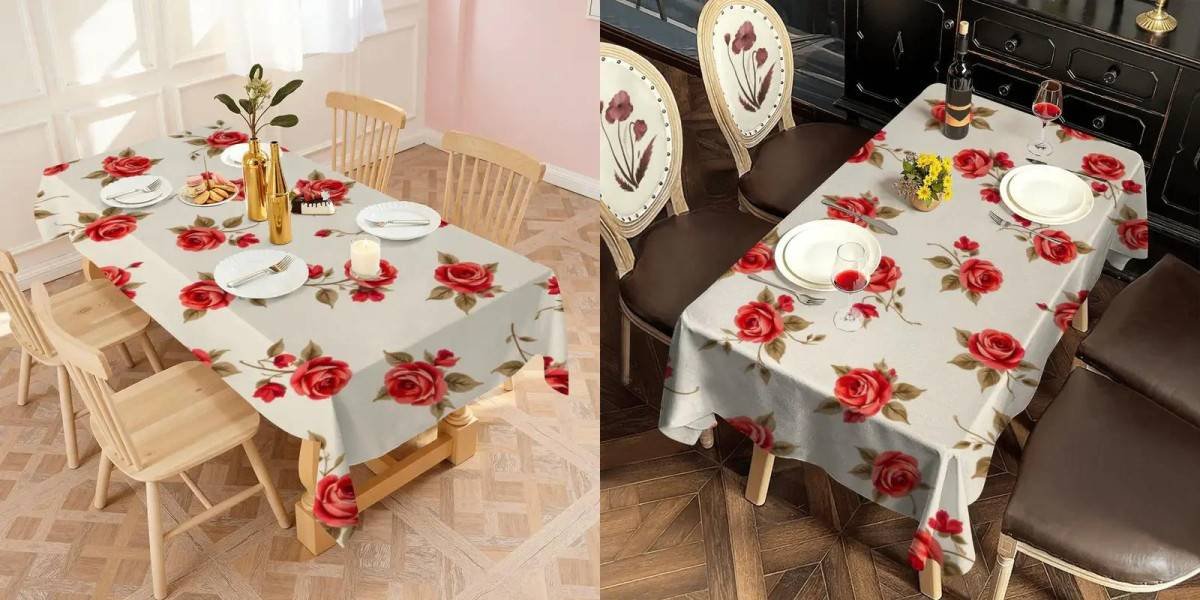
Print on Demand Rectangular Tablecloth
2. Social Commerce Discovery
Instagram and TikTok stopped being inspiration boards. They’re checkout pages now.
The mechanics are what changed. Shopping tags let people buy without leaving the app, and TikTok in particular sits at the front of home decor discovery because users show up with intent — they’re planning a room, not killing time.
That’s why ad budgets are moving. Money that used to buy Google keywords now buys creator partnerships and shoppable posts, because the click-to-purchase moment happens inside the feed instead of after it.
3. AI-Powered Home Styling
Home shopping used to mean typing “matte black wall clock” into a search bar. AI styling tools flip that. Upload a photo of your living room and the tool suggests wall art that matches your sofa, or rugs sized for the room.
The shift is from “tell me what you want” to “here’s what would work.” That helps the biggest group of home shoppers — people who know they want a refresh but can’t picture what fits.
Voice search hasn’t caught on the same way. For home goods, people want to see options before they buy, not describe them out loud.
4. Sustainable Home Goods
Sustainable materials used to be a nice extra. For younger buyers they’re closer to a requirement.
Labels get read now — organic cotton, recycled fibers, low-impact dyes. Disposable plastic decor is losing ground to reusable pieces that hold up for years.
What “sustainable” covers has also widened. It’s not just the material anymore. Production methods, packaging, and whether a product was made to order or sat in a warehouse for two years all count. Brands that can’t answer those questions lose the sale to ones that can.
5. Seasonal Home Refreshes
Home decor isn’t an annual purchase anymore. People refresh with the seasons now — spring florals, fall harvest, winter warm tones, plus holidays in between.
Brands are matching that with quarterly drops instead of yearly catalogs. Small collections built around Thanksgiving dinner or a summer garden party sell out fast because they land at exactly the moment people are planning.
The trigger is almost always a specific occasion. Nobody buys a new table runner because it’s October. They buy one because Thanksgiving is at their place this year.
6. AR Room Preview
The biggest fear with home goods online is that it won’t look right in person. AR preview tools solve that. Point your phone at a wall and see the art hanging there, or drop a rug on the floor to check the scale.
AR started with big furniture. It now works for the smaller pieces that pull a room together too.
Being able to see the thing in your space before ordering removes the main hesitation people have with home shopping online. It’s one of the few tech features that solves a problem shoppers actually had.
7. Niche Design Goes Mainstream
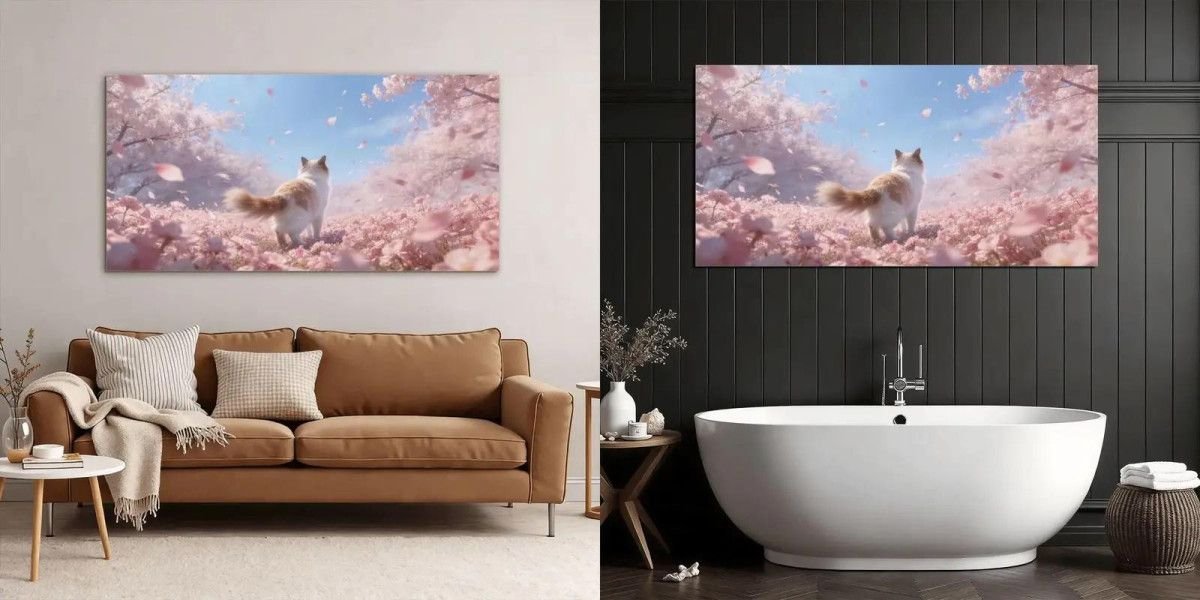
Home decor used to mean choosing from whatever big brands decided to stock. That’s shifting. Shoppers now expect to find pieces built around specific interests — a mug for cat foster parents, a wall print for golden retriever moms, a tablecloth for a family reunion in a specific color.
The economics finally allow it. A factory run needs thousands of units to make sense, which kills any design too specific to hit that number. Newer production setups let a design get made even if only a handful of people want it.
That’s why the long tail of niche design finally has a home. The minimum order dropped from thousands to one, and designs that would have been rejected a decade ago now sit next to mass-market products in the same search results.
8. Bundled Home Kits
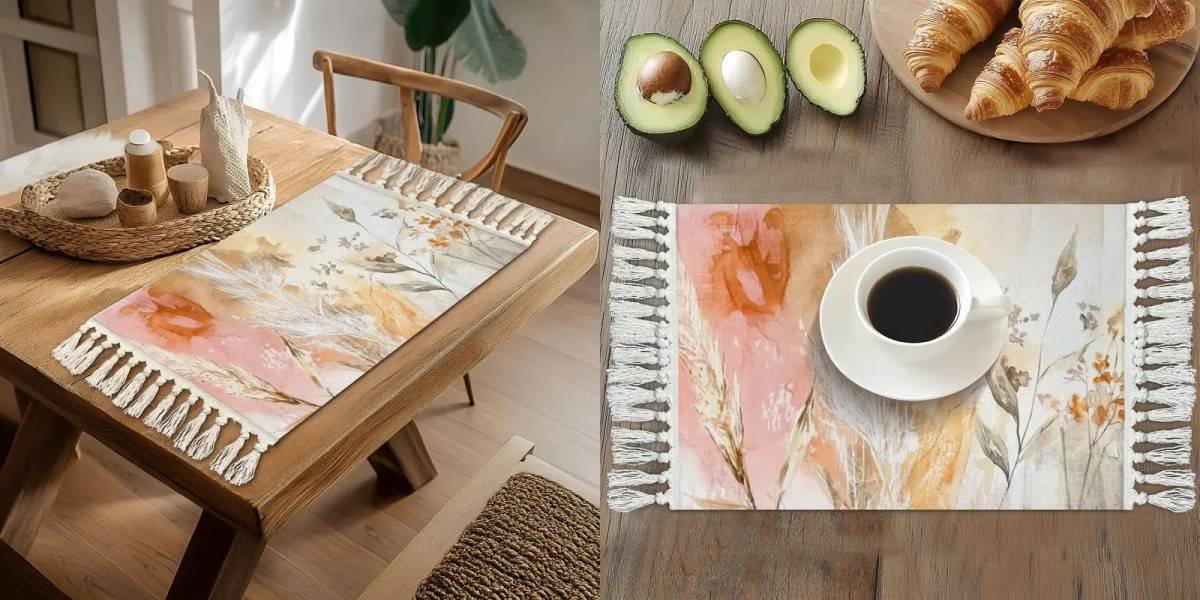
Single-item shopping is losing to curated bundles. A dining refresh kit ships a tablecloth, matching napkins, and placemats together. A bedroom kit pairs sheets with coordinating pillows and a throw.
The appeal is decision fatigue. Picking one thing is fine. Picking six things that all work together is exhausting, and most people give up halfway.
Brands that pre-solve the styling problem see bigger orders and fewer returns. When the pieces already match, buyers don’t second-guess whether the colors will clash in real light.
9. Cross-Border Home Finds
Shoppers looking for something that doesn’t feel mass-produced are ordering from other countries. Japanese minimalism, Scandinavian textiles, French country ceramics — the specific look often lives where it came from.
Independent designers who used to sell only locally can now reach buyers on the other side of the world. Payment platforms and international shipping have caught up enough to make the transaction feel routine.
10. Fast Delivery for Hosts
Hosting rarely goes to plan. A party gets scheduled with four days’ notice, the original decor doesn’t match the theme, or something arrives damaged. Fast delivery is what keeps those buyers from walking away.
The old seven-to-ten-day window is shrinking fast. For time-sensitive party goods, two-to-three-day shipping is now on the table.
The buyer already knows what they want. Making them wait too long just sends them to a competitor who can deliver by Friday.
11. Home Subscription Boxes
Subscription boxes worked for beauty and snacks first. Home decor is catching up. The usual format is seasonal — a quarterly box with a throw blanket, a candle, and a small centerpiece for each season. Some focus on one room, like a bedroom refresh every two months.
The split is between two kinds of shoppers. Some want to pick every piece themselves — they buy the seasonal drops from earlier on this list. Others would rather have someone else decide and just receive it. Subscription boxes serve the second group, which turns out to be a real market on its own.
12. Influencer-Driven Inspiration
Product photography still matters, but it’s not what closes the sale. Home content from creators often does more to move a product than the brand’s own campaigns. Mechanics are different from social commerce. Social platforms are about where people buy. Influencer content is about what convinces them to buy in the first place.
User-generated content extends the same effect. When a brand reposts a customer’s setup, it works as social proof and free content at once. That’s why the ask for tagged photos now shows up in the packaging of almost every home brand worth watching.
Conclusion
Home shopping keeps changing, and not every trend on this list will last. Some will get absorbed into how everyone shops. Others will fade once the novelty wears off. The ones worth paying attention to share a pattern: they move risk off the buyer.
Made-to-order production means no wrong-size inventory. AR preview means no wrong-scale rug. Bundles mean no wrong-color mismatch. Pick the shifts that take a guess out of your next order — those are the ones that will still be here in three years.