Your home’s exterior does more than create curb appeal. It deals with heat, rain, wind, and the slow wear that comes from daily exposure. In Georgetown, where classic architecture meets modern builds, the right cladding choice can shape both appearance and performance. If you’re planning an upgrade, it helps to know what actually matters before you commit to a material, finish, or installer.
How Georgetown’s Climate and Architecture Affect Your Choice
Local context matters more than many homeowners expect. Georgetown has a mix of historic charm, established neighborhoods, and newer custom homes. That means your cladding should fit both the environment and the character of the street, not just your Pinterest board at 1 a.m.
Weather plays a big role too. Temperature swings, humidity, and storm exposure can affect expansion, moisture control, and finish durability. When you’re evaluating exterior cladding in Georgetown, it makes sense to consider products and installation methods that suit local conditions instead of chasing a trend that photographs well but performs badly.
You’ll want to check neighborhood standards, HOA rules, and how your material choice works with regional design expectations. A bold look can be great. A clashing one usually ages fast.
What Exterior Cladding Actually Does for Your Home
Exterior cladding is the outer layer attached to your home’s structure. It protects the building envelope, improves insulation performance, and gives the property its visual identity. You’re not just picking a color or texture. You’re choosing how your house handles weather, moisture, and maintenance over time.
A good cladding system can reduce water intrusion, improve energy efficiency, and add resale value. A bad one can turn into a money pit with leaks, cracks, or fading that makes your home look tired far too soon.
You’ll also notice that cladding affects more than walls. It changes how trim, windows, roofing, and landscaping work together. The exterior has to look intentional. If one part feels off, the whole design can lose its edge.
Which Materials Make Sense for Durability and Style
You’ve got plenty of options, and each comes with trade-offs. Fiber cement is popular because it’s durable, low-maintenance, and available in styles that mimic wood without the constant upkeep. Natural stone offers a premium look and strong longevity, though it usually costs more upfront.
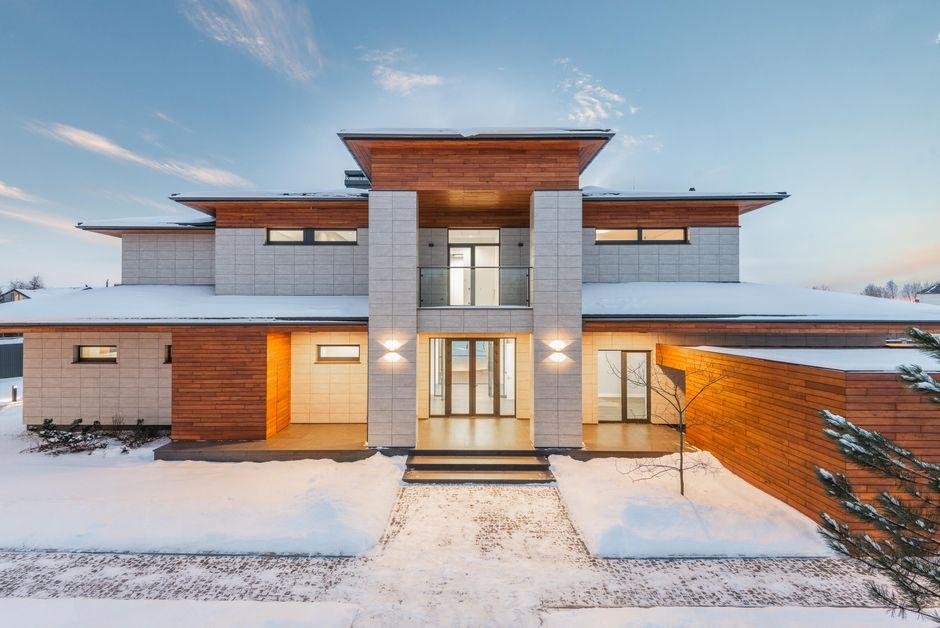
Engineered wood can give you warmth and character, but it needs proper installation and climate-aware maintenance. Metal panels create a sleek modern finish, though they can feel too industrial for some neighborhoods if used without balance.
If you’re comparing materials, think beyond the showroom sample. Ask how the product performs after five years, not five minutes. Sun exposure, moisture levels, impact resistance, and cleaning requirements matter. Cladding should work hard without demanding your weekends in return.
What to Look for in Installation Quality
Even the best cladding can fail if the installation is sloppy. That’s the part many homeowners underestimate. Materials get the spotlight, but workmanship decides whether the system actually performs.
Pay attention to how the installer handles moisture barriers, fasteners, flashing, spacing, and ventilation details. Those pieces aren’t glamorous, though they’re doing the heavy lifting behind the scenes. If corners are cut there, you may not notice until staining, warping, or water damage shows up.
Ask for project photos, references, and specifics about the installation process. If a contractor speaks only in vague reassurances, take that as a warning sign. You want clear answers about timelines, prep work, warranties, and site cleanup. Professional installation should feel organized, not improvised with a ladder and optimism.
How to Balance Budget, Maintenance, and Long-Term Value
The cheapest option on day one often costs more over time. You’re better off looking at total ownership cost instead of just the quote. Some materials have low upfront pricing but need frequent repainting, sealing, or repairs. Others cost more initially and stay in shape with minimal effort.
Think about how much maintenance you’re realistically willing to handle. If you love the look of wood but know you won’t keep up with refinishing, that choice may backfire. Be honest with yourself. Your future self will appreciate the realism.
It also helps to ask what adds measurable value. Buyers notice quality exteriors, especially when they improve energy performance and reduce visible wear. A smart cladding investment supports appearance, protection, and market appeal all at once, which is a pretty solid triple threat.
How to Make a Final Decision Without Regret
Start by narrowing your priorities. Decide whether appearance, durability, maintenance, or budget leads the list. Most homeowners want all four, but one usually matters most. Knowing your top priority makes every other decision easier.
Next, compare real samples outdoors, not just under showroom lighting. Materials can look dramatically different in natural light. Pair them with your roof color, trim, and masonry if applicable. A great cladding choice should feel cohesive from the driveway, not confusing up close.
Before signing anything, confirm product specs, warranty terms, installation details, and expected maintenance. A polished sales pitch is nice. Clear documentation is better. Once the right material and team are in place, your exterior upgrade can deliver both style and staying power without turning into a renovation sequel nobody asked for.