Carl Thomas Dean was married to Dolly Parton for nearly 59 years, and in all that time he almost never appeared in public with her. He died on March 3, 2025, at 82. Parton died seventeen months later, on August 25, 2026, at 80. They never had children.
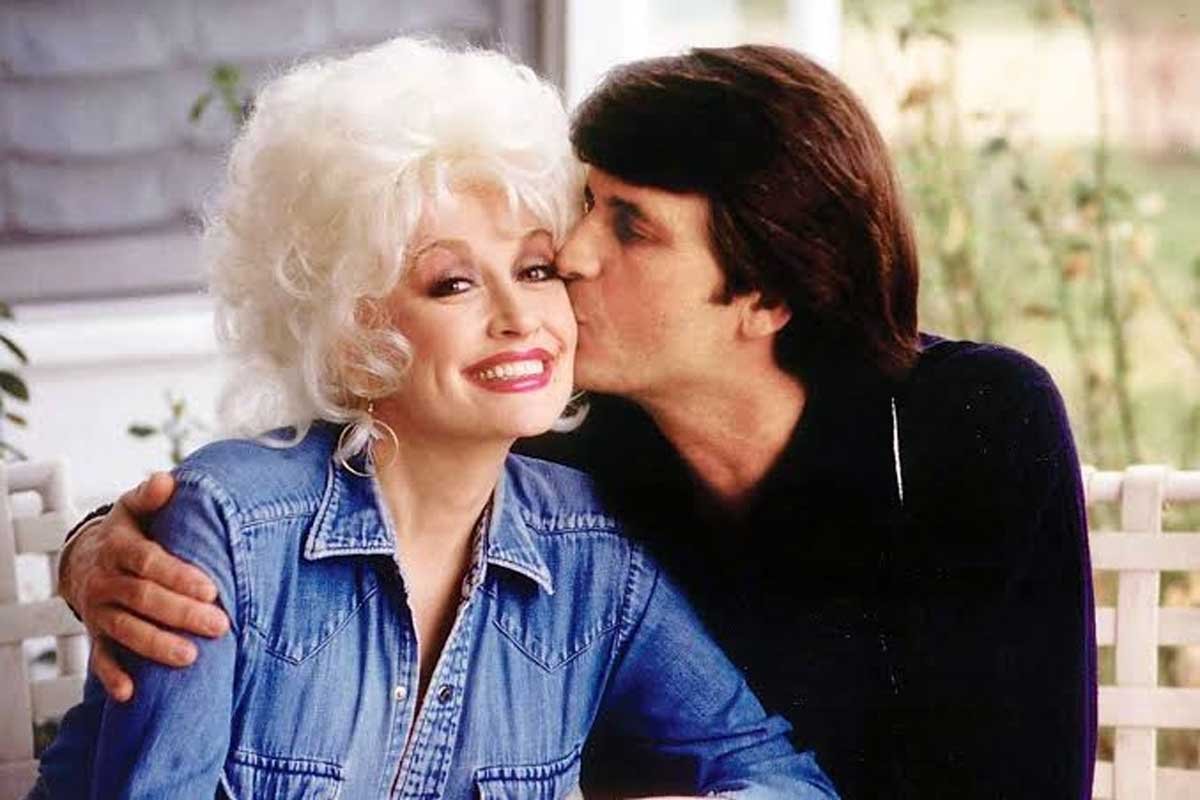
The phrase in the headline is hers. “His whole thing was he was famous for not being famous,” she told PEOPLE, describing what it took to put him onstage in a musical about her own life.
Who Was Carl Dean?
Carl Dean was a Nashville businessman who ran his own asphalt paving operation and kept running it straight through the decades when his wife became one of the most recognizable people alive.
He did not perform. He did not manage her, travel with her, or sit in the audience. By Parton’s account he attended almost none of her shows across six decades of touring, and preferred the farm they shared outside Nashville to any room with cameras in it.
“He was very independent, and he liked being alone. He didn’t really care about being with anybody but me,” Parton told PEOPLE. “He had a few friends, but he loved being on the farm and doing his thing. He was kind of a loner, which worked out best for us.”
That arrangement is the whole reason the question keeps getting asked.
There are almost no photographs of him. There are almost no interviews, no red carpets, no candid shots from the wings of a venue, and almost no public record of any kind for a man who was one half of one of the longest marriages in American entertainment. What exists is a handful of images, most of them decades old, released by Parton herself. That scarcity is not an accident or an oversight by the press; it is the thing he arranged his life around, and she protected it for fifty-nine years.
How They Met: A Laundromat, 1964
They met on Parton’s very first day in Nashville in 1964, outside the Wishy-Washy laundromat, where the eighteen-year-old had gone to wash the clothes she had brought from East Tennessee.
She put her load in, walked down the street to look at her new city, and a man called out to her from a car. She waved back. TODAY’s timeline of the relationship records that Dean took her to meet his parents almost immediately, because, as Parton put it, he knew the minute he saw her that she was the one he wanted.
She was eighteen. He was in his early twenties, about three years older, which is worth stating plainly because the question is usually asked the other way around.
The Secret Wedding, May 30, 1966
They married on May 30, 1966, at Ringgold Baptist Church in Georgia, in a ceremony so small that the guest list was three people: Parton’s mother, Avie Lee Owens, and the pastor with his wife.
The secrecy was professional rather than romantic. Her record label did not want a new young country singer marrying, and the quiet Georgia ceremony was the way around that objection rather than a statement about the marriage itself.
It set the pattern for everything after.
The marriage stayed private for fifty-nine years, and the couple gave the public almost nothing to look at, which is why the few details that exist have been recycled continuously ever since.
Why Dolly Parton and Carl Dean Never Had Children
They never had children, and the honest version of why involves both medical circumstance and a decision that came afterward, which most retellings flatten into one or the other.
Early in the marriage they assumed children would come and were not doing anything to prevent it. Parton was diagnosed with endometriosis at 35 and had a partial hysterectomy at 36, after which having children naturally was no longer possible.
What she did with that fact over the next four decades is the part worth reading. “I didn’t have children because I believed that God didn’t mean for me to have kids so everybody’s kids could be mine, so I could do things like Imagination Library,” she said, “because if I hadn’t had the freedom to work, I wouldn’t have done all the things I’ve done.”
She was also candid that the wish had never burned very hot. In a 2023 interview she described the assumption of children as something young couples simply carry, never an urgent thing for her, and said that motherhood would have kept her home and worried rather than touring. Hello collected the fuller set of her remarks on the subject.
In later years she and Dean turned it into a joke between them. She recalled asking him, more than once, aren’t you glad we didn’t have kids, now we don’t have kids to worry about.
The Seventeen Months Between Their Deaths
Dean died on March 3, 2025, in Nashville, at 82, and was buried in a private ceremony with only immediate family present. He was survived by his siblings, Sandra and Donnie.
Parton released a song called “If You Hadn’t Been There” days later and dedicated it to him, putting his photograph on the cover art. “I fell in love with Carl Dean when I was 18 years old,” she wrote. “Like all great love stories, they never end.”
She was direct, afterward, about what caring for him had cost her. She acknowledged that she had not taken care of herself while tending to a very sick husband, and in a video message this May she described getting through a year of firsts, naming the holidays, their wedding anniversary, and March 3 itself as the hardest.
In her November 2025 cover interview with PEOPLE she put it more starkly: without Carl, she said, she would not be here. “Ours is a great old love story. Most people don’t stay that close that long. That’s a loss.”
How Her Own Death Was Announced
Parton died on August 25, 2026, in Nashville, at 80, after what her publicist described as a brief battle with cancer, and the announcement itself had been arranged by her years in advance.
It was delivered by her nephew Bryan Seaver, who had served as her head of security for more than two decades, in a video message posted to her own accounts. He said she had asked him to do it years earlier, before he had absorbed it as something that would actually happen.
He named her, in that message, as Dolly Rebecca Parton Dean. Sixty years after a stranger called out to her outside a laundromat, the name she was announced under was his.
Her family asked that donations go to her Imagination Library in place of flowers. NPR’s obituary and the notice on her official site carry the fuller account of her life and the family’s statement.
The Family She Did Have
Parton was one of twelve children, and the absence of her own kids never meant an absence of children around her, which is the context most coverage of the no-children question leaves out.
She helped raise younger siblings, was called Aunt Granny by one generation of the family and Gigi by the next, and built the Imagination Library into an operation that mails books to children who will never meet her. Her nephew announced her death; her mother was one of three witnesses at her wedding. The family was always the structure around the marriage.
FAQ
Who was Dolly Parton’s husband?
Carl Thomas Dean, a Nashville businessman who ran an asphalt paving operation and stayed almost entirely out of public life. They married on May 30, 1966, and were together for nearly 59 years until his death on March 3, 2025, at age 82.
Did Dolly Parton’s husband pass away?
Yes. Carl Dean died on March 3, 2025, in Nashville at 82, and was buried in a private ceremony attended only by immediate family. Parton died seventeen months later, on August 25, 2026, at 80.
How much older was Dolly Parton than her husband?
She was not older. Carl Dean was roughly three years older than Parton, who was 18 when they met in 1964 while he was in his early twenties. He died at 82 in 2025; she died at 80 in 2026.
What did Carl Dean do for a living?
He ran his own asphalt paving business in Nashville and kept working through the decades of his wife’s fame. He never joined her career in any capacity, did not manage or tour with her, and by her account attended almost none of her concerts.
Was Dolly Parton faithful to her husband?
Parton consistently described the marriage as a lasting love story across six decades, and no credible reporting has ever established otherwise. The rumors that circulate stem mainly from Dean’s near-total absence from public events, which both of them explained as his preference for privacy.