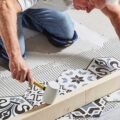
Floor repair epoxy is the right tool for surface cracks, chips, holes, and flaking up to about three-eighths of an inch wide on concrete, wood, or tile, and it is not the tool for structural problems. A two-part epoxy patch can fill a crack and let you coat over it, but it cannot stop a settling foundation, a widening structural crack, a rising slab, or water damage from behind. If the floor is cracking further, sinking, or feels damp and musty, stop and call a professional, because epoxy over a deeper problem only hides it.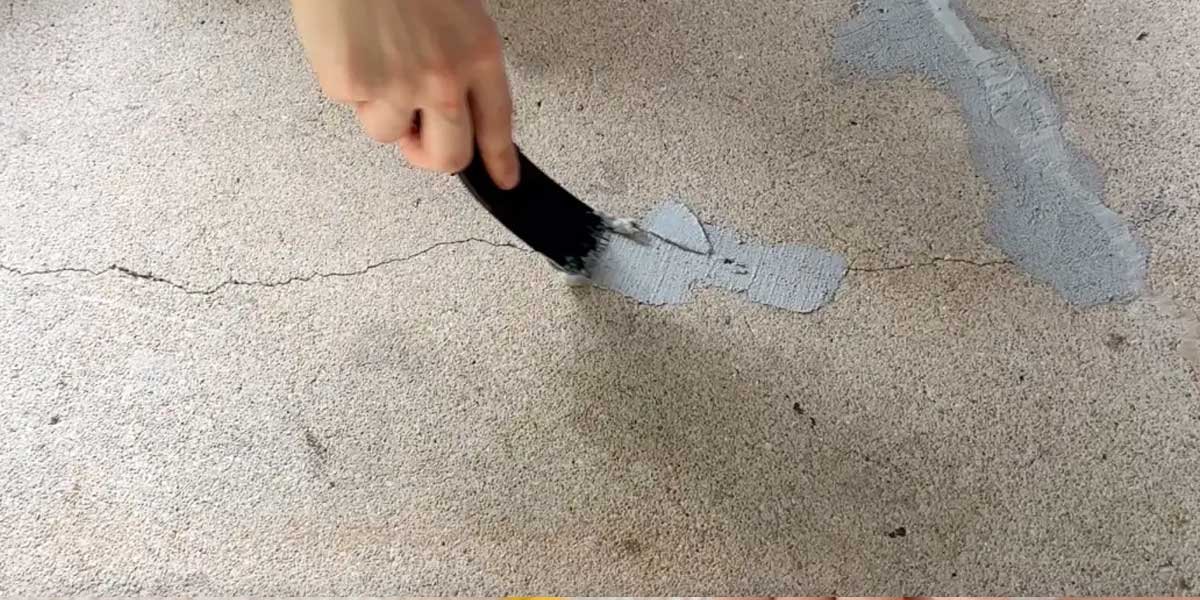
Epoxy is durable, bonds hard, and dries quickly, which makes it ideal for garage floors, concrete pads, and wood or tile divots. It is equally bad at, and wrong for, masking a problem that is getting worse. Knowing which you are looking at is the whole difference between a ten-minute fix and a floor you repair twice.
Below is a symptom-by-symptom guide with the likely cause, the urgency, and the fix, plus the safe checks to run before you reach for epoxy and the exact point to hand it to a professional.
What floor repair epoxy fixes, and what it cannot
Epoxy repairs surface damage up to about three-eighths of an inch wide, such as a concrete crack, a coating chip, or a small hole in wood or tile, and it cannot repair structural movement, a lifting slab, or water damage. Use it as a surface patch, and treat anything at the base or soil as a professional job.
The products that fill these jobs are two-part epoxy or epoxy putties that bond to concrete, wood, or tile and need no long cure before painting or re-coating. A common guideline, which the concrete-repair market uses, is that a crack up to about three-eighths of an inch is a candidate for a troweled or injected epoxy patch, while anything wider, V-shaped, or paired with displacement points at a structural cause. The American Concrete Institute distinguishes surface repairs from structural evaluation for exactly this reason, and This Old House makes the same call for homeowners: appearance damage can be patched, movement cannot.
If the damage is a clean surface crack that is not growing, a chip missing from an edge, or a divot, epoxy is a sound, permanent repair. If the floor is cupping, sinking, or the crack is widening over weeks, the epoxy is covering a movement that will pull the patch apart again. That is the boundary to hold in mind.
Symptom, likely cause, urgency, and the fix
Match what you see to a likely cause before buying anything. The table below runs the common floor symptoms through cause, urgency, and the right fix, and it separates the jobs epoxy can handle from the ones a professional should evaluate first.
| Symptom | Likely cause | Urgency | Right fix |
|---|---|---|---|
| Hairline crack, not growing, in concrete or tile | Surface shrinkage or a season’s movement | Low | Epoxy patch or inject, then re-coat |
| Crack wider than 3/8 in or V-shaped, growing | Subsidence, freeze-thaw, or a structural shift | High, call a pro | Professional structural evaluation |
| Chip or divot missing from an edge | Impact or a dropped load | Low | Epoxy gap filler, sand, refinish |
| Epoxy or paint coating flaking in patches | Poor surface prep or moisture under the coat | Medium | Grind to a clean substrate, fix moisture, re-coat |
| Wood floor scratch or small void | Normal wear or a gouge | Low | Epoxy wood filler or a repair marker matched to the stain |
| Wide void or rot in wood, musty smell | Water damage or rot behind the surface | High, stop and call | Find and fix the leak, then a pro for the wood |
| Tile cracked across one unit | Impact or a base that moved | Low if static | Replace the tile if the base is sound |
| Slab is sinking, lifting, or feeling soft | Soil or structural movement | High, call a pro | Professional evaluation, not epoxy |
The table is the quick diagnostic. The rule behind it: a crack that is not growing and sits on an otherwise sound floor is surface work, and epoxy handles it. A crack that is growing, a floor that is moving, or damp and musty conditions are symptoms of a cause epoxy cannot touch, and those go to a professional before any patch is considered.
The safe homeowner checks before you buy epoxy
Run five checks before spending on a repair kit, and each one moves you toward the right call. Measure the crack, watch it over a couple of weeks, check for movement or a soft feel, inspect for moisture and odor, and note whether the damage is in a sealed coating or the floor itself. If any check points at growth or water, stop.
Start with the width: anything at or beyond about three-eighths of an inch is past the comfortable epoxy-patch range and worth a professional look. Then mark the crack’s ends with a pencil line and check back in two to four weeks; if the line moves apart or new cracks appear, the floor is still moving and epoxy will not hold. Press around the area for a soft, spongy, or hollow feel, which can mean a void or moisture beneath. Look for a musty smell or discoloration, which points at water damage or mold rather than surface wear. Finally, tell whether you are repairing the coating (scratch or flake in paint or epoxy) or the substrate (the concrete, wood, or tile itself), because the two need different materials.
If any of these says movement, moisture, or a damp smell, that is the point to stop and call a licensed professional. None of those is fixed by a surface patch, and covering them up makes the eventual repair larger and more expensive.
Stopping the damage from spreading while you decide
While you decide, keep the damage from spreading with a few low-cost actions. Seal a surface crack to stop water from getting in, move weight off a questionable area, dry out any standing moisture, and protect the working area from foot traffic. These slow the problem without committing you to a repair you were not sure about.
For a concrete or sealed floor, a temporary sealer over a hairline crack keeps water from working in and expanding it during a freeze-thaw cycle. Move heavy items off a floor that feels soft, so the weight does not hasten a sag. If there is standing water or a damp patch, dry it and trace where it comes from, because fixing a slow leak now is cheaper than re-sealing over moisture later. And cordon off the area so nobody steps on a patch before it cures.
A note on the cause: a floor near an appliance, a humidifier, or an unvented space that stays damp points at a moisture source, and the HVAC or the plumbing is worth checking before you re-seal. A hardwood flooring how to clean routine or a general look at the room supports the dry, maintained surface that keeps surface damage from becoming deeper.
Repair, refinish, or call a professional
Choose epoxy repair for a small, static surface flaw, choose a re-coat or refinish for a large area of flaking coating or a worn wood finish, and call a professional for anything structural, damp, or growing. The decision rests on size, growth, and moisture more than on the material itself.
| Situation | Repair with epoxy | Refinish or re-coat | Call a professional |
|---|---|---|---|
| Crack up to 3/8 in, not growing, concrete or tile | Yes | Optional over it | No |
| Chip or divot, isolated | Yes | Optional | No |
| Coating flaking across a large area | No | Yes, grind and re-coat | Only for prep issues |
| Wood scratch or small void | Yes, with filler or marker | Refinish if it covers much of the floor | No |
| Crack growing, wide, or V-shaped | No | No | Yes |
| Sinking, lifting, soft, or musty floor | No | No | Yes |
The trade-offs matter for the longer term. A small patch on a sound floor lasts years, while a re-coat of a flaking garage floor protects the substrate and is worth the prep.
Frequently asked questions
What is the downside of epoxy flooring? Epoxy is hard, sometimes slippery when wet, cold underfoot, and brittle enough that it can crack if the underlying slab moves. It also needs careful surface prep, and once applied it is difficult to remove, so it suits a slab you plan to keep for years.
How much does it cost to epoxy a 20×20 garage floor? Epoxying a 20-by-20, or 400-square-foot, garage floor typically runs $800 to $2,500 installed, or less if you buy a DIY kit and do the prep and coating yourself. The total depends on surface condition, crack repair, and whether a pro or DIY.
Can you repair a damaged epoxy floor? Yes, in most cases. A chip or small flake can be sanded and patched, and a larger area of flaking can be ground back to a clean substrate and re-coated. Moisture under the coat has to be found and fixed first, or the new coat will flake the same way.
Can you epoxy over a floor that already has epoxy on it? Yes, only if the existing coat is clean, sound, and roughened so the new epoxy bonds. If the old coat is flaking or lifting, grind it off first; coating over a failing layer just repeats the failure.
Is floor repair epoxy safe to use indoors? Most epoxy repair products are low-odor or low-VOC and safe to use indoors with ventilation, and the label states the cure and ventilation needs. Follow the mixing and cure time on the product, and air the room while it sets.
Let the movement and the moisture decide
Repair with epoxy when the flaw is small, static, and on a sound floor, and call a professional when the floor is moving, damp, or structurally suspect, because epoxy patches surfaces, not causes. Measure the crack, watch it for a few weeks, and smell for moisture before you commit, and the right choice follows.