The first question about a duct cleaning machine is whether you need one at all, because for a single home the answer is usually no, shares Rent Prosper Solutions. Air-duct cleaning is recommended only as needed, for mold, vermin, or truly clogged ducts, not as a routine, and a proper clean needs a machine, agitation tools, and a high-powered vacuum working together. For most homeowners a professional service or a rental beats owning equipment that costs thousands, so decide whether the job is even due before you think about buying.
This covers whether you need it, what the machines actually are, and the honest buy-versus-rent-versus-hire math.
Do You Even Need Duct Cleaning?
The federal guidance is clear on this, and it saves a lot of money. The EPA guidance on home air duct cleaning does not recommend cleaning ducts routinely, only as needed, and notes that duct cleaning has never been shown to prevent health problems and that a light layer of household dust inside a duct poses no health risk.
Duct cleaning is worth considering when there is substantial visible mold on hard, sheet-metal ducts, when ducts are infested with pests, or when they are clogged with debris and particles are being blown into the rooms. If no one in the household has symptoms and the inside of the ducts looks clean, cleaning is probably unnecessary.
That starting point matters because a full duct clean is neither cheap nor fast. Dust on a return register is normal and easy to vacuum yourself, and it does not mean the ducts are dirty inside. Run the EPA’s own checks before spending anything, and address the root cause, a leak, a mold condition, or a pest entry point, before or instead of cleaning, or the problem returns.
What a Duct Cleaning Machine Actually Is
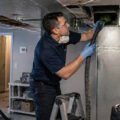
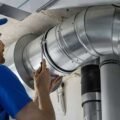
If cleaning is due, the equipment is specialized rather than a household vacuum. The method a professional uses combines two things: tools that dislodge the dirt, such as rotary brushes, whips, or air tools run into the duct, and a high-powered vacuum that pulls the loosened material out, usually exhausting outdoors or using a HEPA filter if it exhausts indoors.
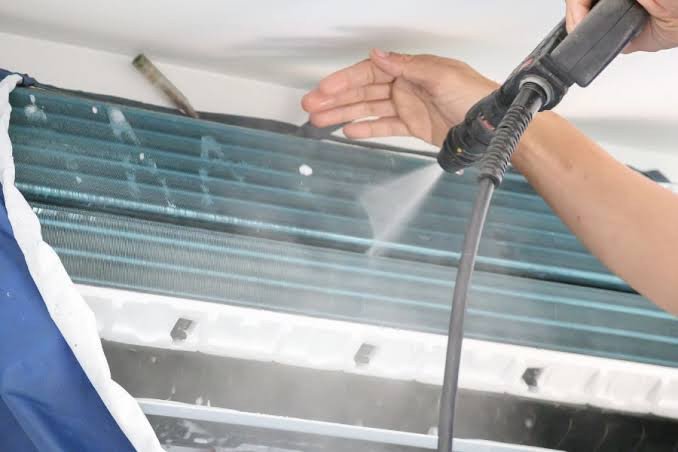
Manufacturers like Air-Care’s line of duct cleaning equipment show the range, portable electric units good for smaller jobs, gas-powered and truck-mounted systems for larger or commercial work, and separate inspection cameras to view inside the duct before and after. The whole system, registers, coils, heat exchanger, drip pan, and fan, must be cleaned together, or the cleaned parts get re-contaminated.
That is the real barrier to buying: a proper job is a machine plus the agitation tools plus the camera plus the skill, not just a suction unit.
The Honest DIY Picture
You can do a limited version at home, and you should, but it is not the same as a full clean. Vacuuming the return registers and grilles clears the normal dust that collects there, and keeping a clean, high-efficiency filter in the unit is the best preventive step of all. What you cannot easily do is reach the entire length of the duct, dislodge caked-on debris, and pull it out cleanly, and the EPA warns that an inadequate vacuum can release more dust and dirt into the home than it removes. For surface upkeep and prevention, your own vacuum and filter changes do plenty; for a real clean of contaminated ducts, the professional machine is the tool that does it properly.
The Buy, Rent, or Hire Decision
Once you know cleaning is due, the choice almost decides itself by how often you need it. Paying a professional to clean a home’s heating and cooling system typically runs from about $450 to $1,000 for the whole system, less if you shop several licensed providers. Renting a machine for a single job can be a middle option, though you still need the right vacuum and brushes and the know-how to use them. Buying a duct cleaning machine, which can run into the thousands with the vacuum, brushes, and accessories, only pays off when you will use it repeatedly, which usually means you are running a business rather than cleaning one home. For most people, a well-reviewed professional or a one-time rental beats owning the equipment.
Your state matters too, since some states require duct cleaners to hold a license, while others leave it up to the business, so confirm what applies where you live and prefer a provider who follows the industry’s cleaning standard.
Is It Worth It, and How to Hire Well
The worth-it question answers itself against the EPA check: if your ducts show real mold, pests, or heavy debris, cleaning is justified and fixes a genuine condition, while a contractor recommending routine duct cleaning on a clean system is likely selling unnecessary work.
When you do hire, avoid companies that promise sweeping health benefits, push cleaning as a routine maintenance task, or claim EPA certification, since the EPA does not certify or endorse duct cleaners. Get written estimates from three providers, check their references and complaint history, ask that they clean the entire system including the coils and drip pan, and get a written agreement of cost and scope before work starts.
Duct Cleaning Machine: Common Topics
Can I clean my ductwork myself?
You can vacuum the return registers and grilles and change the filter yourself, which is real preventive upkeep. A full clean of contaminated ducts needs the agitation tools, a high-powered vacuum, and coverage of the whole system, so that part belongs to a professional with the right machine.
What is the best duct cleaning machine?
There is no single best machine, because the right fit depends on the job size. Portable electric HEPA units suit smaller home jobs, while gas-powered or truck-mounted systems handle larger and commercial work, and you usually need the brushes and inspection camera too. Rent for one job or buy if you run a business regularly.
Do I need a license for duct cleaning?
It depends on your state. Some states require air duct cleaners to hold a license, while others do not, so check your local rules and prefer a provider who follows the industry’s cleaning standard. Regardless of license, get written estimates and a written agreement.
Is air duct cleaning really worth the money?
Only when it is actually needed. Cleaning is justified for visible mold, pest infestation, or heavily clogged ducts, and a waste for a normal system, since the EPA does not recommend routine duct cleaning. Skipping the unnecessary clean saves you hundreds.
How much does a duct cleaning machine cost, and can I rent one?
Professional duct cleaning typically runs about $450 to $1,000 per heating and cooling system, while buying a machine with the vacuum, brushes, and accessories can run into the thousands. Equipment rental services supply machines for a one-time job, a good middle option before owning.
Match the step to the situation. An air duct machine earns its keep only when cleaning is actually called for, and most homes do not need it routinely, so start with the check for mold, pests, or dust pouring from the registers. If cleaning is due, a professional or a weekend rental almost always beats buying for one job, and ownership only pays off when you run a business. Clean when it is needed, hire or rent when you can, own when it pays, and you spend exactly what the job requires.