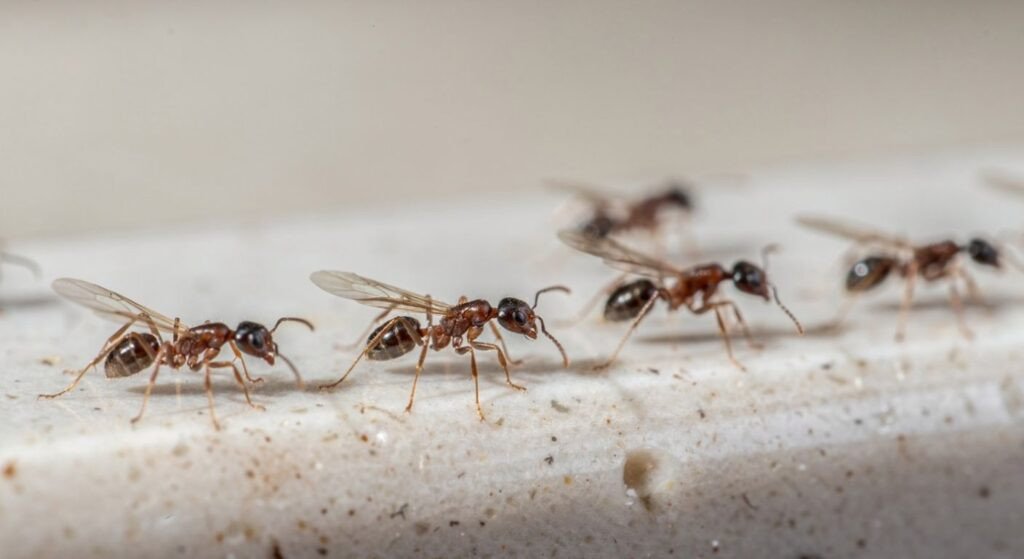
On ants how to get rid of them, the answer is to kill the colony, not just the scouts you see. The few ants crawling across a counter are foragers sent out to find food; the real problem is the thousands in a nest underground or inside a wall that keep sending them. Sprays kill the ants you see in the moment, but a bait they carry back to the nest is what ends the colony. Wipe the trail, place the bait, cut off food and entry points, and treat the nest outside, and ants stop coming back.
The method below breaks it into the colony-first approach, the bait that works, the natural options that mostly repel, and when to call a professional.
Kill the Colony, Not Just the Scouts
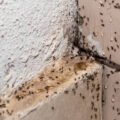
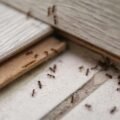
The single most useful idea in ant control is that the ants on your counter are not the problem; the nest that supplies them is. Ants live in colonies that can range from a few hundred to several thousand workers, established underground, in trees, or inside walls and behind baseboards, each with a queen that keeps producing more. The first ants that find your food are scouts, and if they like it, they return with hundreds. That is why spraying the visible trail feels satisfying but rarely ends the problem.
To actually get rid of ants, you have to reach the colony, and the tools that do reach it are baits, as the Healthline guide to safe ant control and the Scotts guide to removing household ants both make clear. A bait uses something ants want to eat, laced with a slow-acting substance they carry back and share, so the workers poison the nest over several days. Sprays and contact methods kill scouts on the spot; baits kill the source.
The Bait That Works
The most reliable do-it-yourself bait pairs sugar with borax or boric acid, and the recipe is simple: mix about half a teaspoon of borax or boric acid with eight teaspoons of sugar and a cup of warm water, soak a small cotton ball or paper in it, and set it where ants are traveling. The sugar draws them, and the borax, a mild poison, is carried back to the nest and spreads to the colony. It takes a few days, sometimes a week, to work, so resist the urge to wash the bait away when you still see ants. The trail should thin as the colony numbers fall.
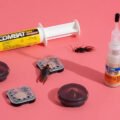
Store-bought ant baits work on the same principle for the more stubborn varieties. Place them in the path of the trail rather than directly on it, and keep them out of reach of children and pets, since borax and boric acid are poisons. Follow the label on any commercial bait or spray, and give a good bait a few days before judging it.
What the Natural Methods Actually Do
Household ingredients are useful, but their limits matter. White vinegar, mixed one part with one part water, repels ants and washes away the scent trail they follow, which disrupts their food-hunting line. Cinnamon, peppermint oil, citrus peels, coffee grounds, and a few other strong scents deter ants from crossing a spot.
Diatomaceous earth dries out an ant’s shell and can kill the ones it touches. These are all real, but they mostly repel and reduce the ants you notice, not the colony in the walls, so alone they rarely end an established infestation. For a small, occasional problem, cleaning with vinegar, clearing the food, and blocking the entry point may be enough. For an entrenched colony, use baits as the primary tool and the natural methods as the supplement.
The Anti-Invasion Routine
Ants come in for two reasons, food and shelter, so the permanent fix removes both. Start by cleaning thoroughly, wiping counters and floors with a vinegar-and-water mix to destroy the scent trails and remove crumbs and spills ants track. Take away the easy food, storing sugars, pet food, and leftovers in sealed containers, and fix any drips or moisture that draw them to bathrooms and the kitchen. Then seal the way in, applying caulk or a barrier to fill cracks around doors, windows, pipes, and the foundation, and keep tree branches and shrubs from touching the house.
Finally, treat the nest outdoors. Pour boiling water into an anthill, or use a targeted outdoor ant product or bait stations around the perimeter, so the workers are killed before they reach the foundation. A colony that has moved into the walls or into structural wood is harder to reach, and that is where the routine stops being DIY.
When to Call a Professional
Most household ants are a nuisance a good bait handles, but two situations call for a licensed exterminator. Carpenter ants, which tunnel in and can damage wood, are a structural concern that warrants professional treatment before the damage grows.
A large or widespread infestation, one that spans several rooms or keeps returning after multiple bait rounds, is also beyond a reliable DIY fix, and a pro can find and treat the nests you cannot reach. Fire ants in the South sting, so their nests are best left to a professional. Follow product labels for anything you apply, and keep baits and pesticide out of reach of children and pets.
Ants How to Get Rid of Them: Common Questions
How do I get rid of ants in my house quickly?
The fastest real way is to wipe the visible trail with vinegar, remove the food they came for, and place a borax-and-sugar bait at the entry so it starts reaching the colony. Sprays kill the ants you see instantly, but a bait is what actually starts ending the source.
How do I get rid of ants permanently?
Kill the colony with a slow-acting bait, then remove what draws them, food, water, and entry points, and treat the nests outside. Seal cracks, store food tightly, fix leaks, and wipe trails, and the ants have no reason or way to come back.
What naturally keeps ants away?
White vinegar disrupts their scent trails, and strong scents like peppermint, cinnamon, citrus, and coffee grounds deter ants from crossing a spot. These repel and reduce the ants you see, but they mostly supplement baits rather than eliminate a colony on their own.
How do I get rid of ants 100%?
No single home method guarantees 100% against ants. The closest is an integrated approach, slow-acting bait for the colony, thorough cleaning and sealing for prevention, and treatment of the outdoor nest, repeated until no trail returns. “Instant” and “overnight” results are mostly myths when the colony is the target.
How do I get rid of black ants in the house?
Black house ants are usually pavement ants or odorous house ants, and they respond to the same method: clean the trail, place a borax-and-sugar bait where they travel, remove their food and moisture, and seal the entry point. Give the bait a few days to reach the colony.
The winner against ants is the colony-first method. Wipe the trail, set a borax-and-sugar bait that the workers carry back, take away the food and moisture that call them in, seal the cracks, and treat the nest outside. Sprays are for the ones you see; baits and prevention are what end the ones you do not.