Ants are one of the most common household pests, invading kitchens, bathrooms, and living spaces in search of food and water. Understanding the type of ant and using the right treatment method is essential for getting rid of them. Here is how to solve ants problems in house and prevent them from returning.
Ant infestations cost $100 to $500 for professional treatment. DIY treatment costs $10 to $50 for bait, spray, and prevention products. The best approach depends on the ant species and the severity of the infestation in your home. Common household ants include carpenter ants, odorous house ants, pavement ants, and pharaoh ants, points out Aramis Realty professionals.
Identifying the Type of Ant
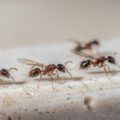
The first step in solving ant problems is identifying the species. Different ants require different treatment methods. Carpenter ants are large black ants that nest in wood and can cause structural damage. They require locating and treating the nest. Odorous house ants are small brown ants that smell like rotten coconut when crushed. They respond well to bait treatments.
Pavement ants are small brown to black ants that nest under sidewalks, driveways, and building foundations. They enter homes through cracks in the foundation. Pharaoh ants are tiny yellow or light brown ants that are difficult to control because they split their colonies when disturbed. They require special baits and treatment methods to eliminate the entire colony.
To identify the ants, place a small piece of food near the ant trail and observe their behavior. Note the ant size, color, and whether they have wings. Take a photo of the ants and compare it to online resources. Your local extension service or pest control company can help identify the species from a sample or photo.
Using Ant Baits Effectively
Ant baits are the most effective treatment for most ant species. The ants carry the poisoned bait back to the colony, where it is shared with other ants including the queen. This eliminates the entire colony rather than just killing the ants you see. Baits work slowly, which gives the ants time to share the bait with the colony before dying.
Place ant baits near ant trails but not directly on them. The ants need to discover the bait naturally. Do not use spray insecticides near the baits because the spray repels the ants and prevents them from taking the bait. Replace baits according to the manufacturer instructions until the ant activity stops completely in the area.
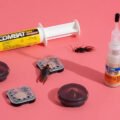
Gel baits are effective for cracks and crevices where ants enter. Place small dabs of gel bait in areas where ants are active. Granular baits are effective for outdoor use around the foundation. Liquid baits are effective for large infestations and are available in ready-to-use stations that protect the bait from the environment.
Preventing Ants from Entering Your Home
Preventing ants starts with eliminating food sources and sealing entry points. Clean up food spills immediately. Store food in sealed containers. Take out the trash regularly. Wipe down counters and sweep floors to remove crumbs that attract ants. Fix leaky faucets and pipes that provide water for ant colonies.
Seal cracks and gaps around windows, doors, and the foundation using caulk or expanding foam. Trim tree branches and shrubs away from the house to prevent ants from using them as bridges. Keep mulch, firewood, and other organic materials away from the foundation to reduce nesting sites near the home.
Apply a perimeter insecticide treatment around the foundation of your home to create a barrier that ants cannot cross. Perimeter treatments last 30 to 90 days and prevent ants from entering the home. Combine perimeter treatment with baits inside the home for the most effective ant control strategy.
A pest control technician with 20 years of experience said: “The most common mistake people make with ant control is using spray insecticides that kill the ants they see but do not eliminate the colony. The spray kills the foraging ants but the colony sends out more. Baits are more effective because the ants carry the poison back to the nest and share it with the entire colony including the queen.”
- Ant baits: most effective, eliminate colony, use near trails
- Perimeter spray: prevents entry, 30-90 day protection
- Natural remedies: vinegar, cinnamon, diatomaceous earth
Frequently Asked Questions
Why do I have ants in my house?
Ants enter homes looking for food, water, and shelter. Common attractants include food crumbs, spills, pet food, and moisture from leaky pipes. Seasonal weather changes also drive ants indoors.
What is the best treatment for ants in the house?
Ant baits are the most effective treatment because they . Place baits near ant trails. Do not use spray insecticides near the baits or they will be less effective.
Can I get rid of ants myself?
Yes, DIY ant control with baits and prevention measures . Professional treatment is needed for severe infestations, carpenter ants, or recurring problems that do not respond to DIY methods.
Are carpenter ants dangerous to my home?
Yes, carpenter ants nest in wood and can cause structura. They require professional treatment to locate and eliminate the nest. Carpenter ant infestations should be treated promptly to prevent damage.
How long does ant bait take to work?
Ant baits take 2 to 7 days to reduce ant activity. Full colony elimination takes 2 to 4 weeks depending on the colony size and the type of bait used. Be patient and replace baits as needed.
How do I prevent ants from coming back?
Seal entry points and eliminate food sources. Apply perimeter treatment and maintain good sanitation.
Do natural ant remedies work?
Natural remedies like vinegar, cinnamon, and diatomaceou. Baits are more effective for complete colony elimination. Natural remedies are best for prevention and maintenance.
When should I call a professional for ants?
Call a professional if DIY treatments fail, you have car. Professional treatment includes inspection, identification, and targeted treatment for the specific ant species.
Taking the time to properly address pest problems saves money and prevents recurring issues. Use the information provided to choose the right treatment approach for your specific situation and pest type for the best possible results.
Professional pest control services offer inspection, treatment, and follow-up monitoring to ensure complete elimination of the problem. Many companies offer warranties and service plans that provide peace of mind and ongoing protection against future infestations of pests in your home.
Quality research and proper planning before starting any home improvement or pest control project saves time, money, and frustration. Understanding your options and choosing the right approach for your specific situation leads to the best possible outcome and long-term satisfaction with the results you achieve for your property.
Many homeowners find that combining DIY methods with professional guidance provides the best balance of cost and effectiveness. Start with the steps outlined above and escalate to professional help if the problem persists or is beyond your comfort level for safe and effective treatment of the issue.
Regular maintenance and ongoing prevention efforts keep problems from recurring after treatment is complete. Establish a routine schedule for inspections, cleaning, and preventive treatments to maintain a pest-free home environment throughout the year for your family.
Investing time in proper planning and research before starting your project leads to better results and fewer problems down the road. The information provided here serves as a starting point for making informed decisions about your home improvement and pest control needs. Always consult with qualified professionals for specific advice about your particular situation and circumstances.
Taking action promptly when you notice signs of pests or damage prevents small problems from becoming large, expensive infestations. Early intervention is always more effective and less costly than waiting until the problem is severe and requires extensive treatment and repairs to fix properly.