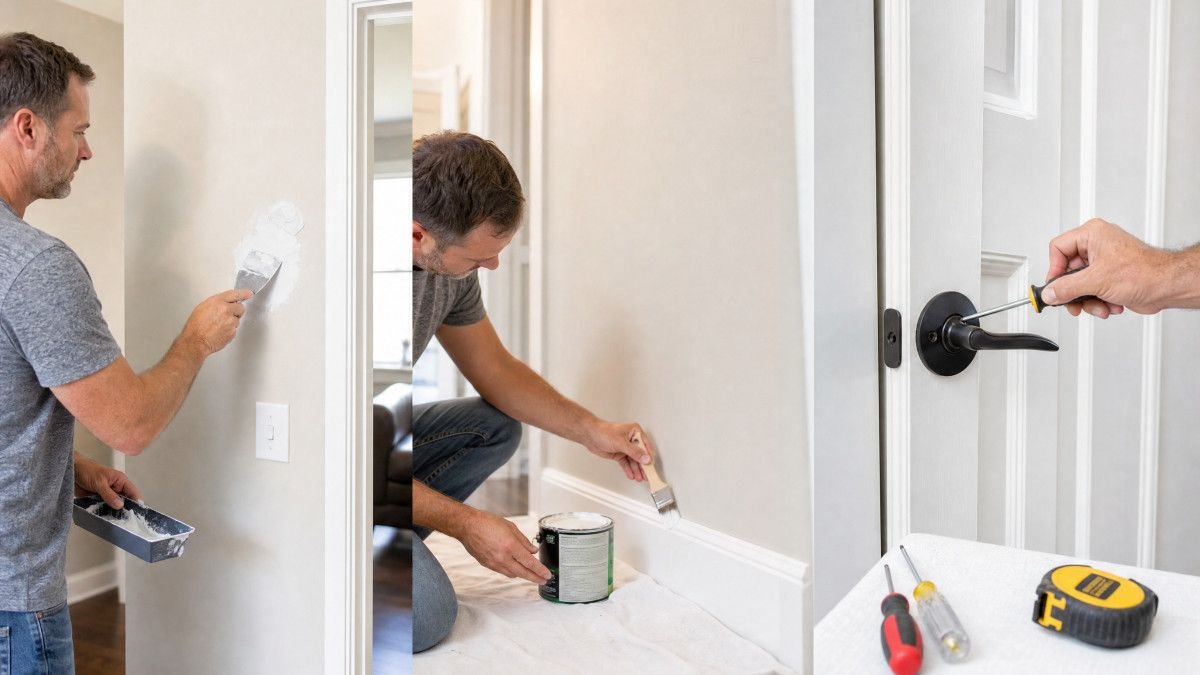
Addressing small, inexpensive repairs before listing a home can significantly increase its market value and appeal to potential buyers, often leading to a quicker sale at a higher price point. These strategic fixes, ranging from cosmetic enhancements to minor functional adjustments, are designed to maximize buyer perception of value without requiring substantial financial outlay from the seller. Understanding which minor repairs offer the best return on investment is crucial for homeowners looking to optimize their selling strategy and secure a competitive edge in the real estate market.
Fresh Paint and Neutral Colors
A fresh coat of neutral paint is one of the most cost-effective ways to update a home and make it more appealing to a wider range of potential buyers. This simple upgrade can instantly brighten rooms, mask imperfections, and create a clean, inviting atmosphere that allows buyers to envision themselves in the space without distraction.
Painting interior walls in neutral tones like off-white, light gray, or beige can dramatically improve a home’s perceived value. These colors provide a blank canvas, enabling prospective buyers to easily visualize their own furnishings and decor without being influenced by a seller’s personal taste. According to a Zillow analysis, homes with light gray or beige living rooms can sell for an average of $2,000 more than expected [1].
Beyond aesthetics, fresh paint can also conceal minor scuffs, marks, and wear and tear that accumulate over time, giving the impression of a well-maintained property. This attention to detail signals to buyers that the home has been cared for, fostering a sense of trust and reducing concerns about hidden issues. The cost of paint and supplies is relatively low, making it an accessible upgrade with a high return on investment.
Even small touch-ups to baseboards, trim, and doorframes can make a significant difference. These often-overlooked areas can show considerable wear, and a quick refresh can tie the entire room together, enhancing its overall cleanliness and appeal. Consider painting ceilings if they show signs of discoloration or age, as a bright, clean ceiling can make a room feel larger and more open.
Kitchen and Bathroom Refresh
Kitchens and bathrooms are often considered the most important rooms for buyers, and minor updates in these areas can yield substantial returns by enhancing their functionality and aesthetic appeal without the expense of a full renovation. Focusing on small, impactful changes can create a modern and well-maintained impression.
In the kitchen, consider updating cabinet hardware, such as knobs and pulls, for a quick and inexpensive facelift. Replacing an outdated faucet with a modern, sleek design can also make a big difference. If cabinets are in good structural condition but look tired, a fresh coat of paint can transform their appearance. These small changes can make the kitchen feel more contemporary and inviting, which is a major selling point for many buyers.
For bathrooms, regrouting tiles, replacing old caulk, and updating light fixtures can significantly improve their appearance. A new showerhead, a modern vanity mirror, and fresh towels can also create a spa-like atmosphere that appeals to buyers. Addressing any leaky faucets or running toilets is also crucial, as these issues can signal neglect and deter potential purchasers. These minor fixes demonstrate that the home is well-cared for and move-in ready.
According to the National Association of Realtors (NAR), minor bathroom remodels can recoup approximately 70% of their cost at resale, while minor kitchen remodels can see a return of around 75% [2]. These statistics highlight the financial wisdom of investing in targeted, smaller-scale improvements rather than embarking on costly, extensive renovations that may not fully recoup their investment. The goal is to make these spaces feel clean, bright, and functional.
Lighting Fixtures and Electrical Updates
Upgrading outdated lighting fixtures and ensuring all electrical components are in good working order can dramatically improve a home’s ambiance and perceived modernity, creating a brighter and more welcoming environment for potential buyers. Proper lighting can highlight a home’s best features and make spaces feel larger.
Replacing old, brassy, or builder-grade light fixtures with contemporary designs can instantly modernize a room. Focus on areas like entryways, dining rooms, and kitchens where updated lighting can have the most impact. Dimmers can also be a valuable addition, allowing buyers to control the mood and brightness of a room, adding a touch of sophistication and functionality. Good lighting is essential for showcasing a home effectively.
Beyond aesthetics, ensuring all electrical outlets and switches are functional and up to code is important. Fixing any flickering lights or non-working outlets can prevent buyers from questioning the home’s electrical integrity. Consider adding GFCI outlets in kitchens and bathrooms if they are not already present, as this is a safety feature that many buyers look for. These small electrical updates contribute to a sense of safety and modern convenience.
A well-lit home feels more spacious, cleaner, and more inviting. Strategic lighting can draw attention to architectural details, artwork, or other desirable features of the property. Conversely, dim or outdated lighting can make a home feel dark, cramped, and unappealing. Investing in modern, energy-efficient LED bulbs can also be a subtle selling point, appealing to environmentally conscious buyers and those looking to save on utility costs.
Curb Appeal Enhancements
First impressions are critical when selling a home, and enhancing curb appeal through minor exterior repairs and landscaping can significantly attract potential buyers and encourage them to explore further. A well-maintained exterior signals that the interior is likely to be just as cared for, setting a positive tone from the moment a buyer arrives.
Simple tasks like mowing the lawn, trimming hedges, weeding flower beds, and planting colorful flowers can make a huge difference. Pressure washing the exterior of the house, driveway, and walkways can remove years of grime and instantly refresh the home’s appearance. These efforts create a welcoming and well-cared-for exterior that invites buyers in. A clean and tidy exterior suggests a home that has been loved.
Repairing any broken fence pickets, loose shutters, or damaged mailboxes are also important. A fresh coat of paint on the front door can provide an inviting pop of color and make the entrance more appealing. Ensuring house numbers are clearly visible and updating exterior light fixtures can also contribute to a polished look. These small details demonstrate pride of ownership and attention to maintenance.
Real estate professional, Sarah Jenkins of Jenkins Realty, emphasizes that “a well-maintained exterior not only attracts more buyers but also often translates into higher offers, as buyers perceive less work needed upon moving in.” This expert perspective underscores the financial benefits of investing in curb appeal. Even a new welcome mat can make a subtle but positive impact.
Minor Plumbing and Fixture Fixes
Addressing minor plumbing issues and fixing small, noticeable defects in fixtures throughout the home can prevent potential buyers from perceiving larger, more costly problems, thereby increasing confidence in the property’s overall condition. These seemingly insignificant repairs can significantly impact a buyer’s impression.
Leaky faucets, running toilets, and slow drains are common issues that can be easily fixed and should be a priority. These problems not only waste water but also suggest a lack of maintenance to prospective buyers. A simple replacement of a washer or a flapper can resolve most of these issues quickly and inexpensively. Ensuring good water pressure in all fixtures is also important, as it contributes to the perception of a well-functioning home.
Beyond plumbing, tightening loose doorknobs, repairing sticky drawers, and replacing broken light switch covers are small details that buyers notice. These minor imperfections can accumulate and create an overall impression of neglect, even if the larger components of the home are in excellent condition. Addressing them demonstrates a meticulous approach to home maintenance.
Consider also replacing old, discolored grout in bathrooms and kitchens. This can instantly refresh the appearance of tiled surfaces, making them look cleaner and newer without the need for extensive re-tiling. Similarly, repairing small holes or cracks in walls and ceilings before painting ensures a smooth, flawless finish that enhances the home’s aesthetic appeal. These small fixes contribute to a polished and well-maintained look.
Flooring and Carpet Care
Clean, well-maintained flooring and carpets are essential for creating a positive impression, as they are highly visible elements that contribute significantly to a home’s overall cleanliness and appeal, making rooms feel fresh and inviting to potential buyers. Addressing these areas can prevent buyers from factoring in replacement costs.
Professional carpet cleaning can remove years of dirt, stains, and odors, instantly revitalizing rooms and making them feel much cleaner. If carpets are severely worn or stained, replacing them in high-traffic areas or smaller rooms might be a worthwhile investment, especially if the cost is minimal compared to the potential increase in sale price. Neutral-colored, new carpeting can be a strong selling point.
Maintaining floor coverings properly can help preserve the integrity of your property during active showings. Working with a dedicated professional team such as Americas Rug Cleaning in Scottsdale supports long-term material durability and controls lingering odors that might otherwise distract buyers. Taking care of these small maintenance details ensures your home feels consistently welcoming across all living spaces.
Scheduling a professional Carpet Cleaning in Sacramento can effectively remove embedded dirt and stubborn odors, instantly giving rooms a fresher and more inviting atmosphere. Alleviating these minor blemishes prevents buyers from factoring future maintenance or immediate replacement expenses into their initial offers.
For hard flooring, ensure that any loose tiles are re-secured, and minor scratches or scuffs on hardwood floors are addressed. A good cleaning and polishing can bring out the natural beauty of these surfaces. If there are areas with significant damage, consider using area rugs to strategically cover them, or if feasible, undertake minor repairs to restore their appearance. The goal is to present floors that look well-cared for and attractive.
Buyers often scrutinize flooring as it can be an expensive item to replace. By presenting clean and well-maintained floors, sellers can alleviate concerns about immediate renovation costs, making the home more attractive. Even small repairs, such as fixing a squeaky floorboard, can contribute to a more positive overall impression, suggesting a home that has been meticulously maintained and is ready for its new occupants.
Decluttering and Depersonalization
While not strictly a repair, decluttering and depersonalizing a home are crucial steps that cost nothing but time, allowing potential buyers to envision themselves living in the space and appreciate its full potential without distraction. This process creates a sense of spaciousness and neutrality.
Removing excess furniture, personal photographs, memorabilia, and knick-knacks can make rooms appear larger and more open. Buyers need to be able to see past the current owner’s belongings to imagine their own life unfolding within the home. Storing these items off-site or neatly packing them away can significantly enhance the perceived value and appeal of the property. A minimalist approach often works best.
Organizing closets, pantries, and cabinets also sends a positive message about the home’s storage capacity and overall tidiness. Buyers often open these spaces, and finding them neat and organized reinforces the idea of a well-maintained home. This attention to detail can subtly influence a buyer’s perception of the property and its care. It also highlights the functional aspects of the home.
Depersonalization extends to removing strong odors, whether from pets, cooking, or smoking. Fresh air and a neutral scent are far more appealing to a broad range of buyers. This step, combined with thorough cleaning, ensures that the home presents itself as a welcoming and move-in ready space, free from personal imprints that might deter a potential purchaser. The aim is to create a universally appealing environment.
Strategically focusing on minor repairs and cosmetic enhancements before listing a home can significantly impact its marketability and final sale price. By addressing visible imperfections, refreshing key areas like kitchens and bathrooms, enhancing curb appeal, and ensuring a clean, depersonalized environment, sellers can create a compelling presentation that resonates with a wider audience of potential buyers. These thoughtful investments, often small in cost and effort, collectively yield substantial returns, making the selling process smoother and more profitable.
Frequently Asked Questions
What are the most impactful minor repairs for home sellers?
The most impactful minor repairs often include fresh paint, updated light fixtures, repairing leaky faucets, fixing broken cabinet hardware, and ensuring all doors and windows operate smoothly. These seemingly small changes significantly enhance a home’s appeal and functionality to potential buyers.
How much return on investment can I expect from minor home repairs?
While specific returns vary, many minor repairs can yield a significant return on investment, often exceeding 100%. For instance, a fresh coat of neutral paint can offer a 107% ROI, while minor kitchen updates might see an 81% return. Focusing on high-impact, low-cost fixes is key to maximizing profit.
Should I fix everything before selling my house?
No, it is generally not advisable to fix every single imperfection before selling. Focus on repairs that are highly visible, affect functionality, or are relatively inexpensive with a high return. Major renovations or highly personalized updates often do not recoup their cost at sale.
What repairs should I avoid before listing my home?
Avoid undertaking major renovations like a full kitchen or bathroom remodel unless they are severely outdated or damaged. Also, steer clear of highly personalized updates, as buyers often prefer to customize these elements themselves. Focus on broad appeal and essential functionality.
References
- Zillow. (2018). Paint Colors That Sell For More Money.
- National Association of Realtors. (2022). Remodeling Impact Report.