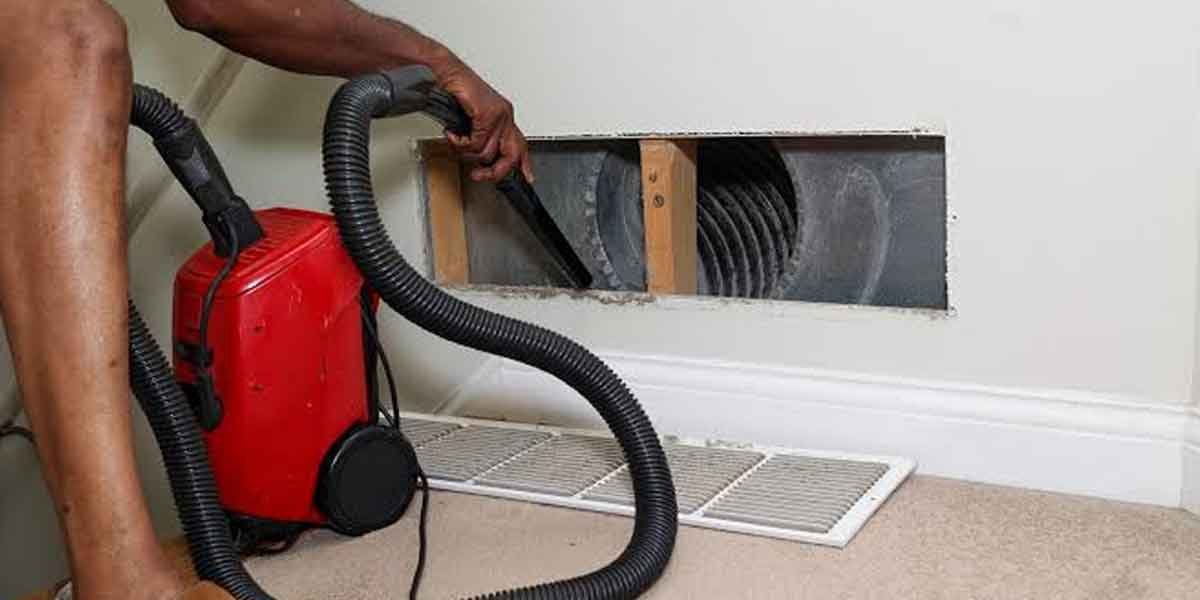
Completing a home renovation is an exciting milestone because it transforms living spaces, improves comfort, and often increases property value. Whether the project involved replacing flooring, remodeling a kitchen, updating bathrooms, removing walls, or finishing a basement, construction activities leave behind more than visible debris. Tiny particles of drywall dust, wood shavings, insulation fibers, and other materials can settle throughout the home, including inside the ductwork that circulates air every day.
Many homeowners focus on cleaning floors, windows, and furniture after renovations while overlooking the hidden network of air ducts. Since these passages distribute heated and cooled air throughout the house, keeping them clean helps maintain a fresher indoor environment after construction has ended. Addressing the duct system soon after renovation supports a cleaner transition into the newly improved space.
Why Post-Renovation Duct Cleaning Matters
1. Renovation Dust Travels Far Beyond Visible Surfaces
Even the most organized renovation projects generate fine particles that drift through the air for days or even weeks. Dust produced by sanding drywall, cutting lumber, drilling concrete, or installing flooring is light enough to remain airborne before eventually settling in unexpected places. While contractors often use protective barriers and ventilation equipment, these measures cannot capture every particle. Once the HVAC system is operating during construction, it may draw dust into return vents, where it accumulates in the ductwork.
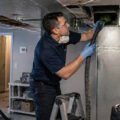
This buildup can continue circulating whenever the heating or cooling system runs after the project is complete. Homeowners often notice that furniture becomes dusty again shortly after cleaning, despite the renovation being finished. That recurring dust may be linked to debris trapped within the ducts. Scheduling a thorough cleaning after construction helps remove hidden contaminants before they repeatedly circulate throughout the home. Homes undergoing remodeling can benefit from Air Duct Cleaning Services in Midvale to help clear renovation-related debris before it continues spreading through the ventilation system.
2. Construction Debris Can Affect Indoor Air Quality
The materials used during remodeling emit a variety of airborne particles that may remain in the ventilation system if not removed. Drywall compound, sawdust, insulation fragments, grout dust, tile particles, and even tiny bits of paint can accumulate inside ducts over time. Every time conditioned air moves through the system, portions of these materials may become airborne again and circulate into occupied rooms. This can leave homeowners wondering why indoor spaces continue feeling dusty despite repeated cleaning.
Family members may also notice unpleasant odors lingering after construction due to fine debris trapped within ductwork. Cleaning the air ducts after renovations removes much of this hidden residue, allowing the HVAC system to distribute cleaner air throughout the house. While duct cleaning does not eliminate every indoor air concern, it reduces one significant source of construction-related particles that would otherwise remain inside the home’s air distribution network long after contractors have completed their work.
3. Protecting HVAC Equipment From Unnecessary Strain
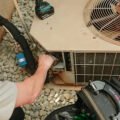
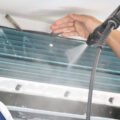
Dust generated during renovations does not only settle inside ducts; it can also reach important HVAC components that keep the system operating efficiently. Air filters capture a portion of the debris, but excessive construction dust can clog filters more quickly than usual, limiting airflow throughout the home. Restricted airflow forces heating and cooling equipment to work harder to maintain desired temperatures, increasing wear on moving components over time. Dust may also collect around blower assemblies, coils, and vents, reducing overall system performance if left unattended.
Cleaning the ductwork after major renovations complements replacing filters and inspecting HVAC equipment for accumulated debris. Removing built-up dust from the air distribution system improves airflow and reduces the number of loose particles circulating back toward sensitive mechanical components.
Ensuring proper ventilation and clean air distribution can also preserve the efficiency of your heating and cooling equipment. Homeowners looking to minimize wear on their newly adjusted systems can work with professional teams like Scott Walker Heating and Air to evaluate total airflow quality. Regular system checks and thorough care help maintain a stable climate while keeping operational strain under control.
Taking this step after construction can help maintain the overall condition of the heating and cooling system and help homeowners avoid preventable performance issues caused by leftover renovation materials.
4. Hidden Spaces Often Collect More Debris Than Expected
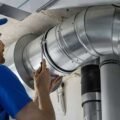
Many homeowners are surprised to learn how much construction debris can settle in areas they rarely see. Air ducts contain numerous bends, joints, and long enclosed passages where dust naturally collects. During renovations, these hidden spaces become convenient resting places for airborne particles that escape routine cleaning. Even if every room appears spotless after the project, the interior of the duct system may still contain layers of fine dust waiting to become airborne again when the HVAC system cycles on.
Renovation projects involving ceiling work, insulation replacement, flooring installation, or wall demolition typically generate significant amounts of airborne material that can reach return vents. Since these contaminants remain out of sight, homeowners may not realize they continue affecting indoor cleanliness.
Major structural changes often generate the highest volume of airborne particles. Before any architectural upgrades or extensive teardowns begin, it is beneficial to find the right service to manage the initial cleanup and waste removal process. Clearing out heavy debris efficiently limits the amount of dust that can find its way into your home ventilation network.
Scheduling duct cleaning removes debris from these concealed pathways, reducing lingering construction residue trapped within the home’s ventilation network and helping restore a cleaner environment in every room connected to the system.
5. Cleaner Ducts Help Preserve Renovation Results
A newly renovated home represents a significant investment of time and money, making it worthwhile to protect the finished results from unnecessary dust accumulation. Freshly painted walls, new cabinetry, updated flooring, decorative finishes, and modern furnishings can all become coated with fine particles if renovation debris continues circulating through dirty ductwork. Frequent dusting after construction may become frustrating when surfaces seem to collect residue shortly after being cleaned. Removing debris from the duct system helps reduce one potential source of recurring dust, allowing homeowners to enjoy their renovated spaces with less ongoing cleanup.
Cleaner airflow may also help maintain the appearance of decorative features, fabrics, and furniture introduced during the remodeling process. Instead of allowing leftover construction debris to continue circulating through the home’s ventilation system, post-renovation duct cleaning supports a cleaner indoor environment that complements the effort invested in upgrading the property and helps preserve its refreshed appearance over the months that follow.
6. Enjoying a Cleaner Home After Renovation
Finishing a renovation marks the beginning of enjoying a refreshed living space, but dust from construction can continue to affect indoor comfort if it remains in the duct system. While floors, furniture, and countertops receive immediate attention during post-construction cleanup, the ventilation system deserves equal consideration, as it moves air through every room each day. Cleaning air ducts after major renovations removes accumulated debris that ordinary household cleaning cannot reach, helping reduce lingering dust while supporting smoother HVAC operation.
This additional maintenance step protects the investment made in remodeling by helping preserve cleaner indoor conditions and reducing the amount of leftover construction material circulating through the home. Scheduling duct cleaning after renovation projects allows homeowners to settle into their updated spaces with greater confidence that the improvements are matched by a cleaner indoor environment throughout their homes.