A comfortable and energy-conscious home depends on more than simply installing heating and cooling equipment. Every property has different construction methods, insulation levels, room layouts, and daily usage patterns that influence indoor comfort. Because of these differences, a careful evaluation is necessary before any recommendations are made regarding repairs, upgrades, or replacements. A detailed assessment helps identify hidden issues that may affect efficiency, airflow, and long-term operating costs.
Instead of focusing only on the age of the equipment, a contractor examines the entire home as a connected system where each component influences the others. This method allows homeowners to receive recommendations based on actual conditions rather than assumptions, reducing the likelihood of unnecessary upgrades while improving indoor comfort and system performance over time.
Understanding the Evaluation Process
1. Looking Beyond the Existing Equipment
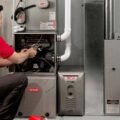
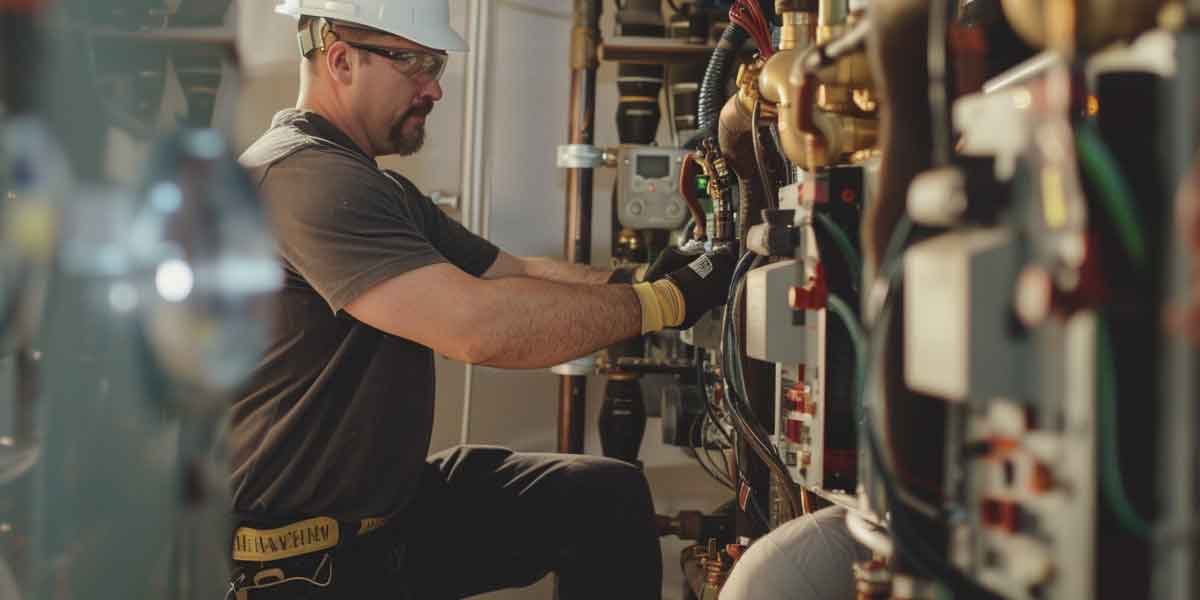
Before suggesting any system improvements, an HVAC contractor begins by understanding how the current heating and cooling system performs throughout the home. The inspection usually starts with the equipment itself, including the furnace, heat pump, air conditioner, or air handler, to determine its condition, maintenance history, and operating efficiency. However, the assessment extends far beyond the mechanical components. The contractor pays attention to unusual noises, inconsistent temperatures, airflow strength, thermostat accuracy, and visible signs of wear that may reveal underlying concerns. They also ask homeowners about rooms that never seem comfortable, rising utility bills, or humidity problems because these experiences often reveal issues that cannot be seen during a visual inspection alone.
A local company familiar with HVAC Brandon may also compare regional climate demands with the home’s existing setup to determine whether current equipment matches seasonal cooling and heating requirements. Combining homeowner feedback with technical observations creates a more accurate picture of what improvements could provide lasting value instead of temporary fixes.
When a visual assessment reveals significant system limitations or failing components, scheduling timely repairs becomes the next logical step. Homeowners experiencing severe performance drops or sudden cooling failures often require professional ac repair San Jose to restore consistent indoor temperatures and stabilize energy usage before pursuing larger structural upgrades.
2. Examining the Home’s Layout and Structural Characteristics
A home’s physical design plays a significant role in heating and cooling performance, so contractors carefully evaluate its layout before making recommendations. The number of floors, ceiling heights, window placement, room sizes, and open living spaces all influence how conditioned air moves throughout the property. Large windows facing direct sunlight may increase cooling demands during warmer months, while rooms located over garages often experience greater temperature fluctuations due to limited insulation. Contractors also consider additions or renovations completed after the original HVAC installation because these changes may have altered the home’s heating and cooling needs.
They observe whether airflow can circulate naturally between rooms or if furniture placement, architectural features, or closed-off spaces contribute to uneven temperatures. Understanding these structural details helps determine whether comfort problems stem from equipment limitations or from the building itself. Without evaluating the home’s design, replacing equipment alone may fail to resolve the underlying causes of inconsistent indoor conditions.
3. Evaluating Insulation and Air Leakage
Heating and cooling systems cannot perform efficiently if conditioned air continually escapes through poorly insulated walls, ceilings, windows, or doors. For this reason, contractors inspect the home’s insulation levels and identify areas where unwanted air movement may occur. Attics, crawl spaces, and basements often receive close attention because they contribute significantly to energy loss. Contractors look for damaged insulation, gaps around plumbing penetrations, poorly sealed attic access panels, and aging weather stripping around exterior doors. Window frames and electrical outlets located on exterior walls may also reveal drafts that influence indoor temperatures.
Air leakage forces heating and cooling equipment to operate longer than necessary, increasing utility expenses while placing additional strain on system components. By identifying these weaknesses, contractors can recommend improvements that reduce energy waste before suggesting larger equipment upgrades. Addressing insulation deficiencies often improves comfort while allowing existing systems to perform more effectively under changing seasonal conditions.
4. Inspecting the Ductwork and Air Distribution System
The duct system functions as the pathway that delivers conditioned air throughout the home, making its condition an important part of the evaluation process. Contractors inspect accessible duct sections for disconnected joints, crushed flexible ducts, visible leaks, loose insulation, and accumulated debris that may restrict airflow. Even a high-quality heating and cooling system can struggle if significant amounts of conditioned air never reach occupied rooms. Uneven temperatures, excessive dust, noisy airflow, and poor air circulation frequently indicate duct-related concerns rather than equipment failure.
Contractors may also measure airflow at supply and return vents to determine whether certain areas receive too much or too little conditioned air. They examine return-air pathways to ensure the system circulates air efficiently without unnecessary pressure imbalances. Correcting duct deficiencies often improves comfort and reduces equipment workload, allowing homeowners to benefit from better indoor conditions without immediately replacing major HVAC components.
5. Measuring Heating and Cooling Demand
One of the most valuable parts of a home assessment involves calculating the property’s actual heating and cooling requirements. Rather than estimating equipment size based solely on square footage, contractors gather detailed information about insulation levels, window efficiency, ceiling heights, occupancy, sun exposure, and local climate conditions. These factors are used to estimate how much heating or cooling the home truly requires throughout the year. Equipment that is too small may struggle to maintain comfortable temperatures during extreme weather, while oversized systems often cycle on and off too frequently, reducing efficiency and limiting humidity control.
Contractors compare calculated demand with the capacity of the existing equipment to determine whether the current system is appropriately matched to the home. Accurate sizing supports steady operation, improved comfort, lower energy consumption, and reduced wear on major components, making this assessment an important foundation for recommending practical improvements.
When heating demands change during cooler seasonal shifts, having properly matched system elements becomes even more critical for everyday home management. Homeowners seeking reliable climate control and efficient technical support often schedule professional furnace repair in Pearland to evaluate their existing setups. Addressing minor mechanical vulnerabilities early supports consistent system performance, helps manage monthly energy bills, and reduces the need for expensive emergency replacements later on.
Determining these demands correctly ensures that any structural adjustments or system replacements align with the property’s actual usage patterns. Homeowners seeking specialized commercial or residential climate solutions can partner with Titan Mechanical Services to maintain stable conditions and improve overall energy efficiency. Regular expert oversight keeps heating and cooling equipment running optimally through extreme weather changes.
6. Reviewing Indoor Air Quality and Comfort Conditions
Indoor comfort extends beyond temperature alone, which is why contractors also evaluate the home’s air quality and environmental conditions. Humidity levels, ventilation, filtration, and air circulation all contribute to how comfortable occupants feel throughout the year. During the assessment, contractors may inspect air filters, examine ventilation pathways, and discuss concerns such as persistent allergies, stale air, excessive dust, or lingering odors. High indoor humidity can make temperatures feel warmer than they actually are, while dry winter air may cause discomfort even when heating systems maintain appropriate temperatures.
Contractors also assess whether bathrooms, kitchens, and laundry areas effectively remove moisture through exhaust systems. Understanding these conditions helps identify opportunities to improve indoor comfort without relying solely on larger heating or cooling equipment. Recommendations may involve better filtration, improved ventilation, or humidity management solutions that complement existing HVAC systems while supporting healthier indoor environments.
Carefully evaluating a home’s heating and cooling needs before recommending upgrades ensures that every improvement is based on measurable conditions rather than guesswork. By assessing equipment performance, insulation, airflow, ductwork, indoor air quality, structural design, and overall energy demands, an HVAC contractor gains a complete understanding of how the home functions as a whole.
This thoughtful process helps homeowners invest in changes that address actual comfort challenges while supporting reliable operation for years to come. Taking the time to perform a detailed assessment creates a stronger foundation for efficient heating, dependable cooling, and a more comfortable indoor environment throughout every season.