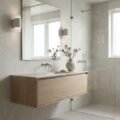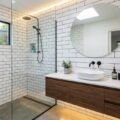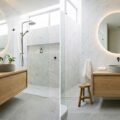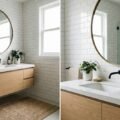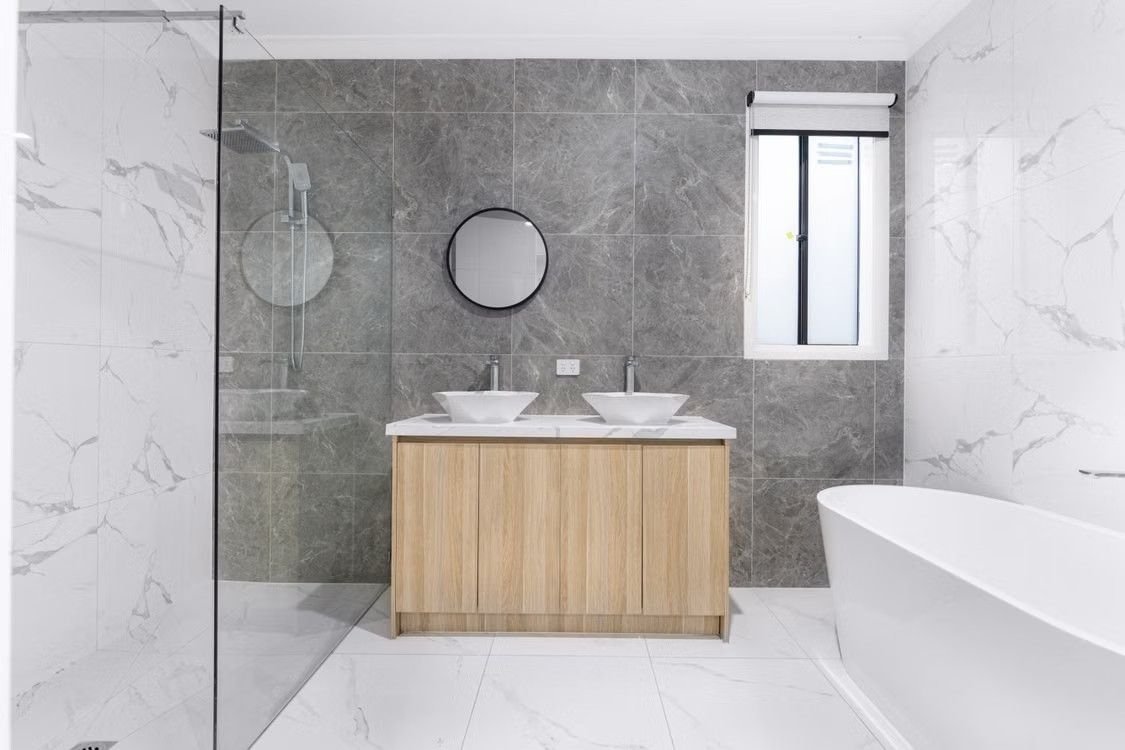
Bathrooms don’t need to be huge or fancy to feel better. What matters most is how the room works when you’re half awake, late for work, or trying to find a clean towel that seems to have vanished into another dimension. A smart bathroom update can make everyday life easier without turning your home into a construction soap opera. If you focus on comfort, function, and a few style choices that age well, you can create a space that feels fresh and genuinely useful.
Start with daily needs
Before you pick tile colors or dream about a spa-like shower, think about what happens in your bathroom every day. Do two people need the sink at once? Are your counters always crowded? Does the room feel tired no matter how much you clean it? Those answers matter more than trends.
If you’re comparing help for a remodel, a bathroom remodeling company can be worth considering when your layout, fixtures, and storage all need to work better together. That doesn’t mean going over the top. It means looking at how your household actually uses the space.
A family bathroom has different needs than a guest bath. A busy home may need better storage and stronger surfaces. An older homeowner may want a safer shower setup. Start with your routine, not a mood board. Pretty is nice. Useful is nicer.
Fix the biggest annoyances
Most bathroom remodel ideas start with a photo. Better ones start with a complaint. Maybe your mirror lighting makes shaving feel like a guessing game. Maybe there’s never enough storage, so every product lives on the counter like it pays rent.
Make a short list of what bugs you most. Common problems include:
– dim lighting
– poor ventilation
– not enough storage
– worn-out finishes
– a layout that feels tight
When you know your daily frustrations, it gets easier to decide what deserves your budget first. If the room is always damp, a better fan may matter more than a new paint color. If you hate scrubbing grout, the right wall surface could save you time every week.
This step also keeps you from spending money on things that look impressive but don’t solve anything. A bathroom should work hard, even if it looks calm and polished.
Choose durable surfaces
Bathrooms deal with water, steam, toothpaste splatter, and the occasional dropped hair tool. So while style matters, durability should get a vote too. The best materials are the ones that still look good after real life happens.
Porcelain tile is a popular floor choice because it handles moisture well and comes in many styles. Quartz counters are easy to wipe down and don’t need much fuss. For shower walls, large-format panels or tiles can reduce grout lines, which means less cleaning later.
Try not to choose a surface only because it looks trendy online. Matte finishes can hide smudges better than high gloss. Textured floors may give you more grip. Light colors can make a small room feel bigger, but very pale surfaces may show more mess.
Think of materials like teammates. They should look nice, hold up well, and not make your Saturdays disappear into cleaning duty. That’s the kind of beauty that lasts.
Make small spaces work
A small bathroom doesn’t have to feel cramped. It just needs a little strategy. Good design can make a compact room feel easier to move through, even if you’re not adding a single square foot.
Wall-mounted cabinets free up floor space and make the room feel less heavy. A large mirror can bounce light around and visually open things up. Open shelving works well if you keep it neat and use baskets or matching containers.
Corner sinks and slimmer vanities can also help if your layout is tight. If a swinging door eats up too much space, a pocket door may be worth exploring. In some bathrooms, replacing a bulky tub with a walk-in shower creates a much more comfortable flow.
The trick is not cramming in more stuff. It’s helping the room breathe. A smaller bathroom with smart storage often feels better than a bigger one filled with clutter. Size matters less when the layout stops fighting you.
Plan lighting wisely
Lighting changes everything. It affects how you get ready, how clean the room feels, and whether your morning face in the mirror looks human or mildly haunted. One ceiling light usually isn’t enough.
A good bathroom uses layers of light. Task lighting near the mirror helps with shaving, makeup, and brushing teeth without shadows. Overhead lighting keeps the whole room bright. Softer lighting can make evening routines feel less harsh, especially if you don’t want to feel like you’re on a stage at 10 p.m.
Warm white bulbs often feel more comfortable than very cool ones. If possible, use fixtures on both sides of the mirror instead of a single light above it. That setup tends to give more even light on your face.
Natural light helps, too, but privacy matters. Frosted windows or light-filtering treatments can let brightness in without putting your bathroom on display for the neighborhood.
Set a realistic budget
Bathroom remodels can get expensive fast, mostly because so many parts need to work together. Plumbing, labor, tile, fixtures, paint, lighting, and surprise repairs all add up. That doesn’t mean you need a giant budget. It just means you need a clear one.
Start by separating must-haves from nice extras. If your shower leaks or your floor is damaged, those repairs come first. Fancy mirrors and premium hardware can wait if needed. It helps to spend more on the parts you use every day and save on details that don’t affect function much.
Leave a cushion for hidden issues. Older bathrooms sometimes have water damage, outdated wiring, or plumbing that needs attention once the work begins. That’s not fun, but it’s normal.
A practical budget should support comfort, safety, and durability first. If there’s room after that, then yes, go ahead and get the towel hooks that make you weirdly happy.
Think about long-term comfort
The best bathroom updates aren’t only about what looks good this year. They also make the room easier to use over time. That’s helpful whether you plan to stay in your home for decades or just want a space that feels comfortable for everyone.
Walk-in showers are easier for many people to enter than high-sided tubs. Non-slip flooring adds peace of mind without shouting “safety feature.” Grab bars now come in styles that blend in nicely, so they can look intentional instead of clinical. Lever-style or easy-turn faucets are another small change that can make a big difference.
Comfort also means less strain in daily routines. Better storage, a comfortable vanity height, and easier cleaning surfaces all count. A bathroom should support your life, not make it harder.
When you plan around real habits and future needs, your remodel is more likely to stay useful. That’s the sweet spot: a bathroom that looks good, works hard, and doesn’t demand applause every five minutes to prove it.