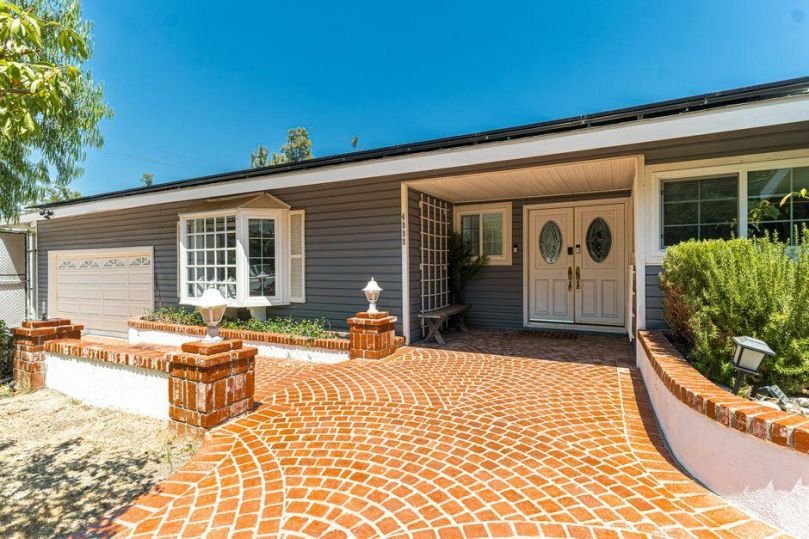
When you want to sell your home, it’s easy to dream about huge remodels and magazine-worthy rooms. But buyers usually respond to smaller, smart changes first. They want a house that feels cared for, clean, and easy to imagine living in. That means you don’t need to turn your place into a palace with a waterfall in the kitchen. You just need upgrades that make everyday spaces look better, work better, and feel move-in ready.
Start with smart updates
Before you swing a hammer or pick out tile that looks like it belongs in a space movie, step back and think like a buyer. What would stand out if you walked in for the first time? Usually, it’s the overall condition, not one fancy detail. Fresh paint, working doors, updated lighting, and clean finishes often do more than dramatic custom features.
If your project goes beyond cosmetic fixes, it helps to work with a builder that understands practical home improvements. A company like KVN Construction makes sense when you need larger updates that improve how a home looks and functions before listing it.
The goal is simple. Make your home feel ready, not risky. Buyers notice when a place seems well maintained. They also notice when it feels like a weekend project waiting to happen.
Focus on curb appeal
Your home’s exterior is the handshake before the conversation. If the outside looks tired, buyers may assume the inside has problems too. That sounds unfair, but house shopping can be a little like judging a book by its porch.
Start with the basics. Trim overgrown plants, edge the lawn, and remove anything that looks cluttered. A freshly painted front door can make a big difference. So can modern house numbers, a new mailbox, or porch lights that don’t look like they’ve survived three different decades.
Walkways matter too. If your path is cracked or uneven, buyers may see it as a repair bill instead of a charming entrance. Pressure washing siding, steps, and driveways also helps more than people expect. Dirt has a sneaky way of making everything look older.
You don’t need a full landscape redesign. You just want the home to say, “Hi, I’m cared for,” not, “Good luck with all this.”
Refresh key living spaces
Inside the home, a few rooms carry most of the emotional weight. Kitchens, bathrooms, and living areas tend to shape a buyer’s opinion fast. That doesn’t mean you need a luxury remodel. It means these spaces should feel bright, clean, and current.
In the kitchen, simple changes often work well. Think painted cabinets, updated handles, cleaner countertops, and better lighting. If appliances are mismatched or very worn, replacing them can help the room feel more pulled together. You want “fresh and functional,” not “chef competition set.”
Bathrooms benefit from small upgrades too. New mirrors, faucets, lights, and grout can make the whole space feel newer. In living rooms, focus on paint color, flooring condition, and natural light. Remove bulky furniture if needed so the room feels open.
Buyers don’t expect perfection in every home. They do expect spaces that feel easy to move into without a long to-do list.
Fix what buyers notice
A beautiful room can still lose its charm if buyers spot obvious issues. Small defects create big doubts. A cracked wall might make someone wonder about the foundation. A dripping faucet can suggest poor maintenance. One loose board on the floor can make people imagine ten more problems hiding nearby.
That’s why repairs matter just as much as style. Patch holes, fix trim, replace broken tiles, and make sure doors open and close properly. Check for squeaky hinges, stained ceilings, chipped paint, and flickering light fixtures. These are the little things that quietly whisper, “This house needs work.”
Lighting deserves special attention. Dark rooms often feel smaller and older. Brighter bulbs, updated fixtures, and clean windows can improve the mood right away. It’s one of the cheapest ways to make a home feel more welcoming.
Think of repairs as confidence builders. Buyers may not praise every fix out loud, but they’ll feel more comfortable making an offer.
Choose upgrades with value
Not every renovation is worth the money, especially if you’re planning to sell soon. The trick is choosing improvements that match your market. A high-end feature can look great, but if it’s out of step with nearby homes, buyers may not pay extra for it.
That’s why return on investment matters. Neutral paint, durable flooring, improved storage, and basic kitchen or bath updates usually appeal to more people than bold design choices. A bright yellow tub may be memorable, but maybe not in the way you want.
Pay attention to your neighborhood too. If most homes nearby have updated kitchens and decent outdoor spaces, buyers may expect the same from yours. If your upgrades go far beyond local standards, you could spend more than you get back.
The best renovations support the sale without eating the profit. Think useful, clean, and broadly appealing. A home that feels balanced and well cared for often wins over one packed with expensive but highly personal choices.
Plan your timeline wisely
Timing can make or break a pre-sale renovation. If projects drag on too close to listing day, you may feel rushed, stressed, and surrounded by dust when the photographer arrives. That’s not exactly a dream finale.
Start by making a short list of must-do items, then separate them from nice-to-have upgrades. Get estimates early, build in extra time for delays, and avoid starting major work unless you can finish it properly. Half-done projects make buyers nervous.
Budget carefully too. Include materials, labor, cleanup, and a little wiggle room for surprises. Homes love surprises, just not the fun kind. If you’re hiring help, choose people with clear communication and realistic timelines.
Most important, finish renovations before photos, showings, and open houses. You want every room to look complete and calm. When buyers walk in, they should picture their future there, not your leftover paint cans. That’s when smart renovation choices really start to pay off.