Weak air coming from vents can make a home feel uncomfortable even when the furnace is still running and the thermostat is set where it should be, observes Oakland County property management. Homeowners often notice that rooms take longer to warm up, certain spaces stay chilly, or the system seems to run without delivering the level of comfort it once did. That kind of change can feel frustrating because the furnace has not completely stopped working, yet daily comfort clearly begins to slip. Furnace repair service matters in this situation because weak airflow usually points to a deeper performance issue that should be addressed before colder weather makes the problem harder to ignore.
Why Airflow Gets Weaker
- Weak Vent Air Often Signals More Than One Problem
When air starts coming from the vents with less force than usual, the issue is not always easy to identify from the surface. A homeowner may assume the furnace is simply aging, but weak airflow can stem from several conditions acting alone or together. A clogged filter can restrict movement through the system, a blower component may be wearing down, the ductwork may be leaking, or blocked returns may be limiting how air circulates through the house. Even dirty internal parts can gradually reduce the system’s ability to push heated air where it needs to go. This is why Furnace repair service. becomes so important once weak airflow starts affecting comfort. The problem may still seem manageable in one room or during one part of the day, yet the system could already be operating under strain. If that strain continues, the furnace may have to run longer to provide less noticeable comfort, which can increase frustration, accelerate wear, and leave homeowners unsure why the house no longer feels evenly heated from one vent to the next.
- Repair Service Helps Trace the Problem to Its Source
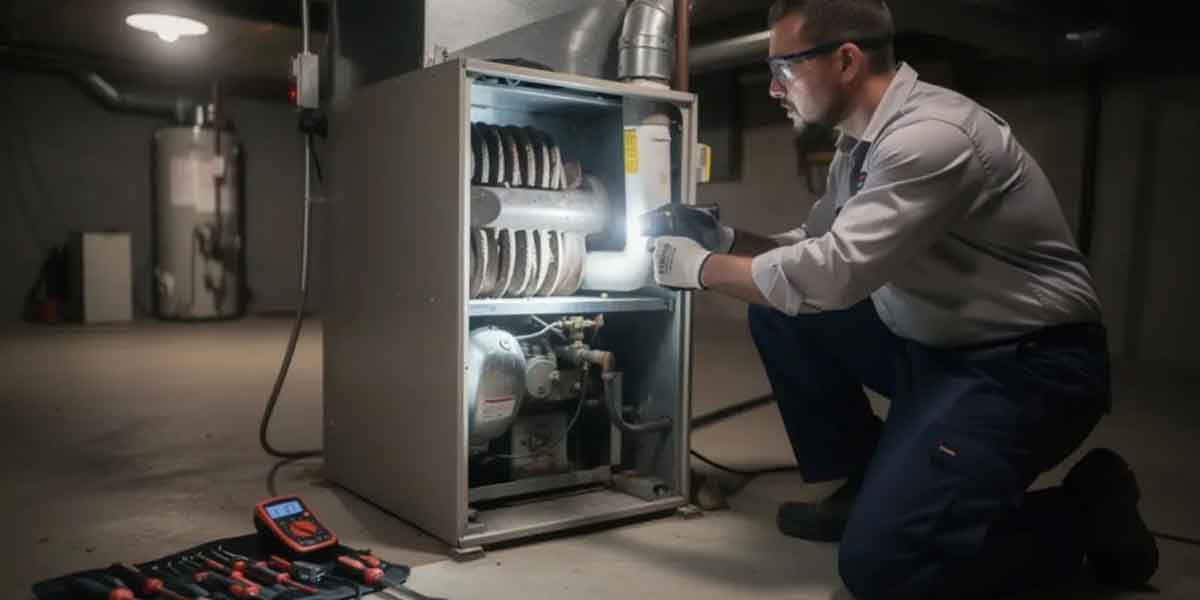
One of the biggest advantages of repair service is that it turns a vague comfort complaint into a clearer diagnosis. Weak airflow can feel like a single problem, but the actual cause may come from a much wider part of the heating system than homeowners expect. A technician can examine whether the blower is moving air with the proper force, whether the filter has become restrictive, whether the evaporator area shared with central air equipment is collecting debris, or whether duct sections are losing too much air before it ever reaches the home’s rooms. In some houses, the issue is most pronounced in one area due to disconnected or poorly sealed ductwork. In others, the weakness appears throughout the house because the furnace itself is not circulating air the way it should. Repair service matters because it prevents guesswork. Without that inspection, homeowners may keep changing thermostat settings, closing doors differently, or adding portable heaters without correcting the reason the vents no longer deliver enough airflow. A proper repair visit helps connect the symptoms people feel in the room to the underlying mechanical or airflow issue, which is the first real step toward restoring comfort.
- Weak Airflow Can Affect Comfort, Efficiency, and System Strain
A furnace that produces weak airflow through the vents does more than just make a room feel cooler than expected. It can change how the entire home functions during colder weather. Some spaces may begin warming very slowly, upper rooms may remain uneven, and the furnace may seem to run for long periods without producing the steady heat homeowners depend on every day. This often leads people to raise the thermostat, hoping more run time will make the house feel better, but the underlying issue remains. Furnace repair service matters because weak airflow usually means the system is working less effectively than it should, which can affect efficiency and comfort. When heated air is not moving through the home with sufficient strength, the furnace may run longer and place greater demand on key components while still leaving occupants dissatisfied. Over time, that added strain can increase wear on the blower, increase pressure on airflow pathways, and make a smaller problem more likely to require a larger repair. By restoring stronger circulation, repair service can help the home feel warmer without forcing the system to struggle through every heating cycle.
Maintaining consistent airflow is a critical part of preserving long-term comfort across every room in the house. Partnering with a dedicated team like Mitchell Heating & Cooling can help homeowners quickly identify performance drops and clear hidden structural blockages before they impact monthly utility costs. Keeping circulation pathways clear ensures balanced temperatures and extends the overall life of vital components.
- Repair Also Helps Prevent the Problem From Spreading
Weak air from vents often starts as a performance issue, but if ignored, it can affect how homeowners use the whole house. Families may avoid certain bedrooms, keep doors open to share warmth between rooms, or rely on extra blankets and space heaters to compensate for poor airflow. That kind of adaptation can make the issue feel normal, even though it is actually a warning that the heating system is no longer distributing air reliably. Furnace repair service helps prevent that pattern from becoming the new routine. A technician can determine whether the problem comes from a repairable restriction, a failing blower part, a duct issue, or another condition that is likely to worsen if left alone. This matters because airflow problems can build gradually. What starts as slightly weaker air in one room may later become poor circulation through multiple vents or a more noticeable heating imbalance across the home. Early repair gives homeowners a better chance to correct the issue before it creates broader discomfort, repeated service calls, or more expensive strain on the furnace. In that sense, repair is not only about fixing a present inconvenience. It is also about protecting the system from further decline while maintaining a more usable and comfortable home.
- Why Timely Service Restores Confidence Indoors
When vent airflow weakens, many homeowners begin to lose confidence in how their furnace will perform during the coldest part of the season. Even if the system is still producing heat, the reduced airflow can make the whole house feel less dependable, especially early in the morning or during colder nights when comfort matters most. Furnace repair service helps restore that confidence by identifying what is interfering with airflow and correcting it before the issue can affect other parts of the system. Once stronger circulation returns, the home often feels more balanced, rooms recover temperature more quickly, and homeowners no longer have to wonder whether the furnace is falling behind every time it turns on. That peace of mind matters because heating is not only about technical operation. It is about how reliably the home responds when warmth is needed. A repair visit provides direction, answers, and a path back to steadier performance, rather than leaving the household to guess whether weak air is a minor inconvenience or a sign of a larger problem developing out of sight.
Restoring Stronger Heat Throughout the Home
Weak air coming from vents can seem like a small change at first, but it often signals that the furnace is no longer moving heat through the house the way it should. Furnace repair service matters because it helps identify the source of that weakness, restore stronger airflow, and protect the system from working harder without delivering real comfort. By responding early, homeowners can improve room-to-room warmth, reduce unnecessary strain, and prevent a minor airflow issue from becoming a larger heating problem later in the season. Stronger vent airflow often means a more comfortable home, a more dependable furnace, and less daily frustration when colder weather sets in.