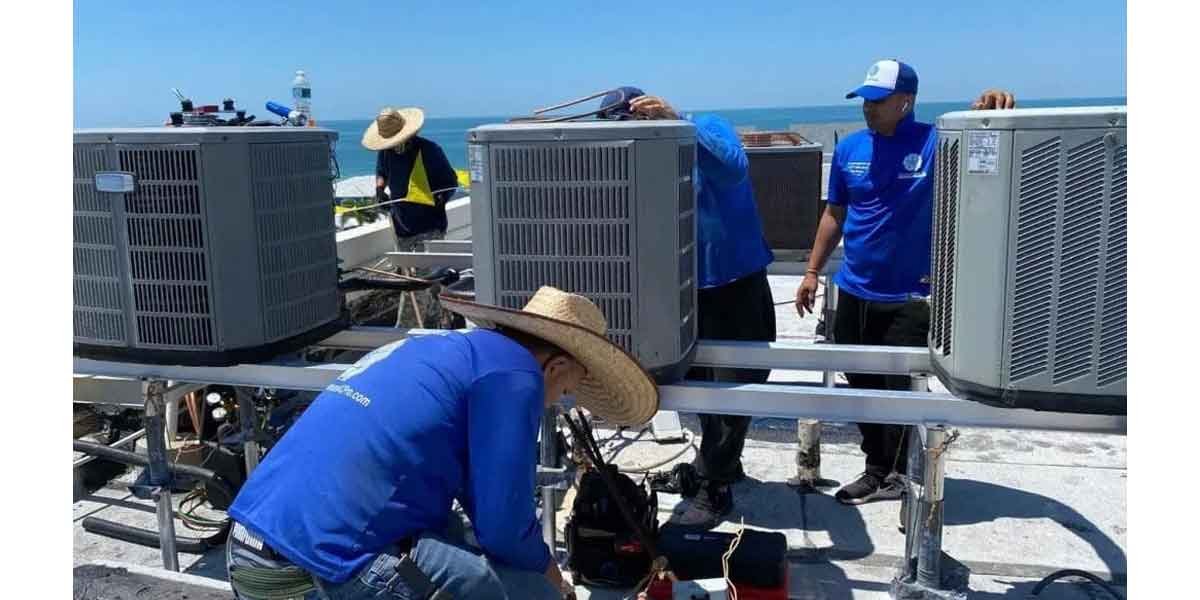
When a homeowner lowers the thermostat, the expectation is usually simple: the house should start to feel cooler within a reasonable amount of time. When that recovery feels slow, uneven, or frustratingly delayed, it often signals that something in the cooling system is not responding the way it should. This can affect comfort, energy use, and daily routines, especially during hotter weather when indoor temperatures rise quickly. AC repair matters because a delayed response is not always a small inconvenience. It can be an early sign that the system is struggling and needs attention before the issue becomes harder to manage.
When Cooling Lags
- Why Slow Recovery Can Point to a Larger System Problem
A home that takes too long to cool after a thermostat change can create more than discomfort. It can make homeowners question whether the system is actually meeting the home’s needs or simply running longer without producing the expected results. Slow recovery may be linked to airflow issues, dirty components, refrigerant-related concerns, thermostat communication issues, or gradual wear that has reduced the system’s ability to respond efficiently. A homeowner searching for AC repair in Tallahassee may already be noticing that the house stays warm longer than it should after adjusting the temperature. That matters because delayed cooling often develops gradually, which makes it easy to dismiss at first. Yet when the system no longer responds at normal speed, the problem can begin to affect comfort across multiple rooms, raise concerns about energy use, and create added strain on equipment that must run harder just to deliver results that once came more easily.
- How AC Repair Helps Identify Why Recovery Feels So Slow
One of the most important reasons AC repair matters is that slow cooling recovery can stem from several causes, and those causes are not always obvious to the homeowner. A thermostat may appear to be working, the outdoor unit may still turn on, and cool air may still come from the vents, yet the overall response can remain sluggish because something inside the system is limiting performance. AC repair helps narrow down that problem. Instead of leaving the homeowner to guess whether the issue is low airflow, a weak component, a thermostat misreading, dirty coils, or another hidden condition, the repair process focuses on how the system is actually operating after the temperature is changed. That kind of diagnosis matters because the timing of the response often reveals as much as the final temperature. A system that eventually reaches the setting but takes far too long to do so may still be operating in a weakened state that warrants attention before it causes a larger disruption to comfort.
- Why Delayed Recovery Affects More Than Immediate Comfort
When a cooling system is slow to recover, the problem often reaches beyond the moment a homeowner feels warm indoors. Delayed response can affect how the household uses the thermostat throughout the day, how long the system remains in operation, and how much confidence people have in the home’s ability to stay comfortable during periods of heat. Some homeowners may begin lowering the thermostat more aggressively, assuming the setting itself is the problem, when the real issue is that the system is no longer recovering efficiently. Others may leave the unit running longer and longer, hoping it will eventually catch up. AC repair helps address this pattern by focusing on the performance issue at its source rather than letting the homeowner keep adjusting habits around an underperforming system. This matters because longer run times and weaker recovery can place more pressure on the equipment over time. A house that cools slowly after each adjustment can start to feel difficult to manage, especially in the afternoon or evening when indoor comfort matters most for rest, routines, and family time.
- How Repair Supports Better System Response and Daily Stability
A properly functioning air conditioning system should respond to thermostat changes with a level of consistency that makes indoor comfort feel manageable. AC repair supports that consistency by helping restore the balance the system needs to cool the home more quickly. When underlying issues are identified and corrected, the equipment is often better able to move air, manage heat transfer, and respond to changing indoor temperatures the way homeowners expect. That matters because daily comfort depends not only on whether the system eventually cools the house, but also on how predictably it does so. If recovery feels slow every time the thermostat is adjusted, homeowners may begin planning around the system’s weakness instead of trusting it to do its job. Repair helps reverse that experience. It can make the home feel more stable, reduce the uncertainty that comes with sluggish performance, and give the homeowner a clearer sense that thermostat changes are producing the intended response rather than triggering a long, uneven wait for cooler air.
- Why Earlier Attention Can Prevent More Frustrating Cooling Problems
Slow recovery after thermostat changes is often the kind of issue homeowners live with for a while before deciding it deserves professional attention. The system still runs, the house still cools eventually, and the discomfort may seem manageable enough to postpone action. Yet this kind of delay can allow a smaller performance problem to keep developing in the background. AC repair matters because it gives homeowners a chance to respond before the sluggish recovery becomes a more disruptive cooling problem. What begins as a system that seems slower than usual can eventually become a home that never feels fully comfortable during hot periods or a unit that struggles harder with each passing week. Early repair can help prevent that progression by addressing the operating issue while it is still affecting timing more than total function. For many homeowners, this makes a meaningful difference. Instead of waiting for a full failure or a much more serious comfort disruption, they can take action when the warning sign is still a slower response rather than a complete loss of cooling.
Why a Faster Response Makes the Whole Home Feel Easier to Manage
AC repair helps homeowners respond to slow recovery after thermostat changes by turning an uncertain comfort problem into something clearer and more manageable. A system that takes too long to cool the home may still be running, but that does not mean it is performing as it should. Delayed recovery can indicate issues affecting comfort, system strain, and daily confidence in the home’s cooling performance. By identifying the cause and restoring a better response, repair helps the house feel steadier, more predictable, and less frustrating to live in. When the cooling system responds more normally, thermostat changes start feeling useful again instead of disappointing.
You Might Also Like...
 Why Is HVAC Service Important When Smart Thermostats Stop Matching Actual Indoor Comfort?
 Why Air Conditioner Compressor Not Working? The Usual Causes, Safe Checks, and the Signs It Is Time to Stop Troubleshooting
 The Complete Guide to Smart Thermostat Installation for Homeowners
 Why Is My Furnace Blowing Cold Air Instead of Heat?