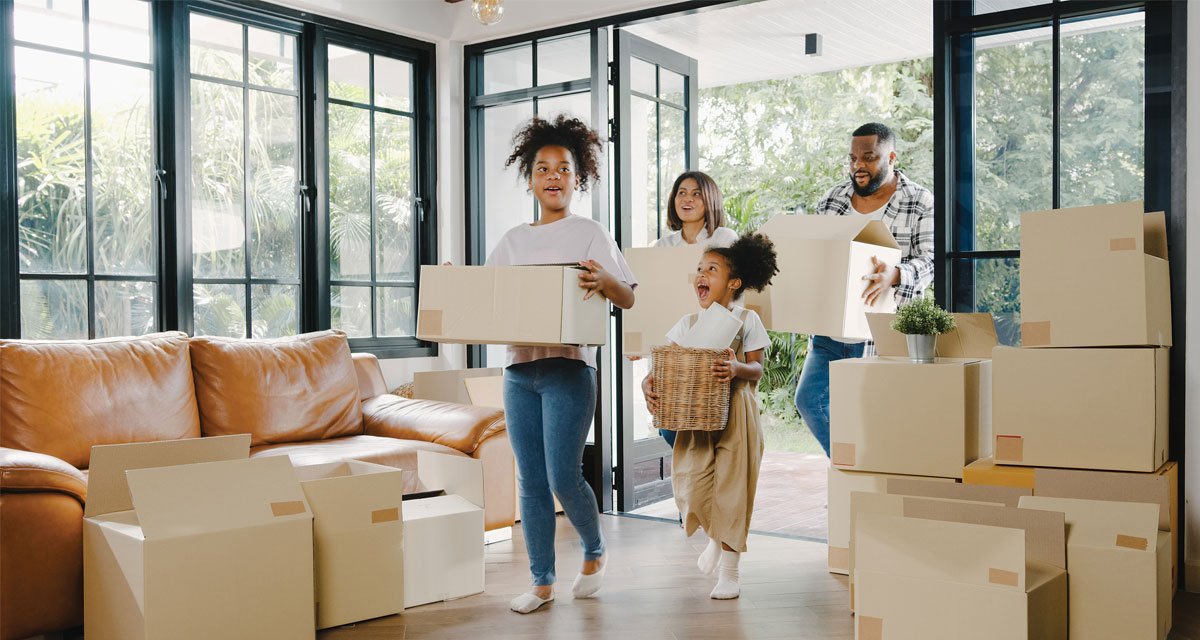
Moving often feels like a test of endurance. You look at stacks of boxes, dust in corners you haven’t touched in years, and the risk of scratches on your favorite furniture. It is easy to view this as a chaotic event, but you can control the outcome. A successful move balances speed with precision, keeping your belongings in pristine condition while leaving your old home ready for the next owner. When you transform your moving experience to keep it clean and careful, you remove the stress that usually comes with the process. You can arrive at your new place and unpack without needing to start with a deep scrub. By following a few proven strategies, you make sure your possessions survive the trip and your transition stays smooth.
Prepare Your Property for a Clean Departure
Your move begins long before the truck arrives. Taking time to prep your home saves hours of cleaning later and prevents damage to your walls and floors.
Declutter Before You Pack
For Clean and Careful Moving fewer items means fewer things to clean and pack. Go through every closet, drawer, and shelf. Create three piles: one to keep, one to donate, and one to sell or discard. If you have not used an item in a year, you likely do not need it in your new home. This process reduces the amount of dust you carry over and makes your packing job much lighter. When you start with only the essentials, your new home stays organized from day one.
Deep Clean as You Pack
Instead of waiting until the end to clean your entire house, handle it room by room. As you clear a bookshelf, wipe down the shelves. Once a closet is empty, vacuum the floor and wipe the baseboards. By cleaning as you pack, you ensure the space is ready for a final walkthrough. This avoids that frantic, last-minute scrub down when you are already exhausted from moving heavy furniture.
Protect Your Floors and Walls
Heavy furniture and boxes often leave marks on floors and scuffs on paint. Buy a roll of heavy-duty cardboard or floor runners to protect high-traffic areas like entryways and hallways. Use corner guards on walls, or tape thick cardboard to the corners where furniture might bump. If you have hardwood floors, use furniture sliders under the legs of sofas and dressers. These small steps prevent costly repairs later and keep your old property in good shape.
Pack Smart for Pristine Arrivals
How you pack determines how your items arrive. Quality supplies and careful wrapping protect your goods from breakage and dirt.
Invest in Quality Packing Supplies
Do not settle for old, weak boxes from the grocery store. They often collapse under weight or rip during the move. Buy sturdy, double-walled boxes, high-quality packing tape, and plenty of packing paper or bubble wrap. Strong supplies keep your items secure and prevent the boxes from leaking or tearing in the truck. When a box is secure, dust and grime stay out.
Wrap Fragile Items with Care
Glassware, dishes, and electronics need extra layers of protection. Wrap every item individually in packing paper before placing it in a box. Fill empty gaps in the box with crumpled paper or towels to stop items from shifting. If an object moves inside its container, it hits other items and breaks. A tightly packed box with plenty of padding ensures your fragile items arrive in one piece.
Label Boxes Clearly and Logically
Writing “Kitchen” on a box is a start, but adding detail helps more. Use a marker to note the contents on the side of the box, not just the top. This lets you identify what is inside even when boxes are stacked. Clear labels help you direct movers to the right rooms, which prevents you from having to move heavy boxes twice. This systematic approach makes unpacking much faster.
Pack an Essentials Box for Immediate Access
You do not want to hunt through fifty boxes just to find soap or a phone charger on your first night. Pack a clear plastic bin with everything you need for the first 24 hours. Include toiletries, a change of clothes, basic tools, toilet paper, chargers, snacks, and a few cleaning supplies. This box travels with you in your car so it is always within reach. It saves you from the frustration of being unable to shower or clean a spill because your supplies are buried in the back of a truck.
Execute a Careful Loading and Unloading Process
Moving day requires physical care. Using the right techniques protects your body and your furniture from unnecessary harm.
Create Clear Pathways
Before you start moving heavy items, walk through your home and remove all rugs, small tables, and debris from walkways. Clear a path from your room to the front door, ensuring the doorway is wide enough for large furniture. If you keep your hallways free of clutter, you reduce the risk of tripping and dropping your belongings. A clear path is a safe path.
Lift and Carry with Proper Technique
Back injuries are common during moves because people lift with their backs instead of their legs. Always bend at the knees, keep the item close to your body, and lift using your leg muscles. If a piece of furniture is too heavy or awkward, ask for help or use a dolly. Furniture sliders can help you move heavy couches or desks across the floor without dragging them. Proper lifting techniques keep you injury-free and prevent you from losing your grip on expensive furniture.
Secure Items in the Moving Truck
The ride in the truck is where most damage occurs. Items shift and slide if they are not tied down. Use ratchet straps to secure furniture to the walls of the truck. Pack boxes tightly together, filling the truck from floor to ceiling to prevent movement. Place heavy items on the bottom and lighter items on top, using moving blankets to cushion surfaces. When everything is snug, nothing bumps around during the drive to your new home.
Maintain Cleanliness Throughout the Move
You do not have to live in a mess while you move. Keeping a tidy space reduces stress and makes the transition cleaner.
Keep Cleaning Supplies Handy
Have a specific cleaning kit ready for moving day. Keep it in your car or your “essentials” box. Stock it with paper towels, a multi-surface cleaner, glass cleaner, a broom, a dustpan, and extra trash bags. Having these tools ready means you can deal with a leak or a muddy footprint as soon as it happens.
Address Spills and Dirt Immediately
When you move, dirt and dust get kicked up. If you drop a drink or find a layer of dust under a moved dresser, clean it right then. Do not wait for later. If you leave a mess, it spreads to your boxes and furniture. A quick wipe-up keeps your workspace tidy and stops grime from traveling to your new place.
Perform a Final Sweep of the Old Residence
Once the last box is loaded, do a final walkthrough of your old home. Check the back of closets, under the stairs, and inside the cabinets. Grab your broom and dustpan to clean up any dust or debris left behind from the move. A final sweep shows respect for the property and ensures you leave nothing behind.
Post-Move Clean-Up and Organization
Arriving at your new home is the start of a fresh chapter. How you handle your first few hours sets the tone for your new living space.
Unpack Strategically
Do not try to unpack everything at once. Start with the essentials box you packed earlier. Set up your bed and get the bathroom functional first. Tackling one room at a time keeps you from creating a mountain of empty boxes in the middle of your living room. Focus on the kitchen and bedroom before worrying about decor or books.
Wipe Down Surfaces as You Unpack
Even if a new place looks clean, it likely has dust from the previous owners or the movers. Wipe down the inside of cabinets and shelves before you place your dishes or clothes inside. Use a damp microfiber cloth to clean surfaces as you pull items out of boxes. This simple act keeps your belongings clean from the very first day.
Organize and Sanitize High-Touch Areas
Focus on the areas you will use the most. Wipe down light switches, doorknobs, and cabinet handles with a sanitizing wipe. Clean the kitchen counters and the bathroom fixtures before you use them. When you prioritize these high-touch spots, you make the home feel truly yours and maintain a healthy environment.
Moving is a major life event, but it does not have to be a source of chaos. By planning your clean and careful move, you treat your property with respect and set yourself up for success. Every box you pack with care and every floor you keep clean brings you one step closer to a smooth, stress-free start in your new home. Take your time, stay organized, and enjoy the reward of arriving in a space that is ready for you to enjoy.