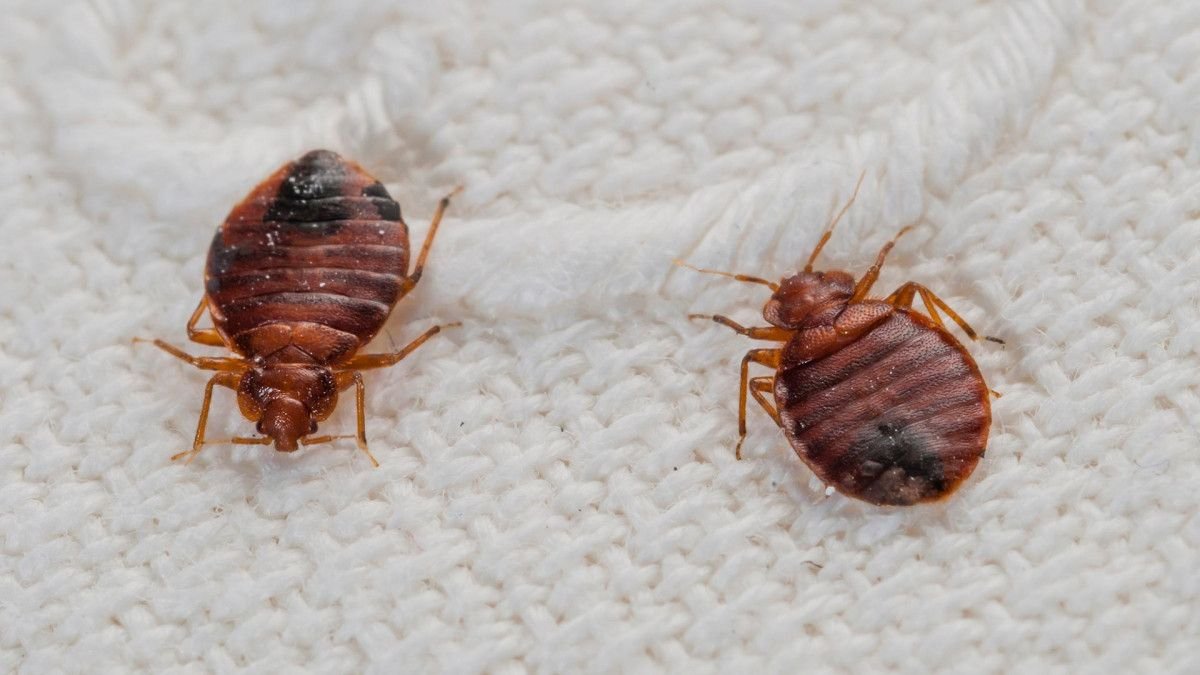
You have been waking up with bites in a line of three. You found a rust-colored spot on the mattress seam. You want the bed bugs gone in one day, not three chemical treatments spread over six weeks. You are considering heat treatment, and you want to know if it is worth the price.
Professional bed bug heat treatment in the U.S. costs between $1,000 and $4,000 for a whole-home treatment. The price is $1 to $3 per square foot of treated space, with most homeowners paying $1,500 to $2,500 for a typical three-bedroom home. Single-room treatments run $500 to $1,200. This is significantly more expensive than chemical treatment at $300 to $500 per visit, but heat treatment kills all life stages including eggs in a single day. Here is what drives the price and whether it is worth it for your situation.
Cost by Home Size and Number of Rooms
| Treatment Scope | Square Footage | Typical Cost |
| Single room | 150–300 | $500–$1,200 |
| Two rooms | 300–600 | $800–$1,800 |
| Small home / apartment | Under 1,000 | $1,000–$2,000 |
| Medium home | 1,000–2,000 | $1,500–$2,500 |
| Large home | 2,000–3,000 | $2,000–$3,500 |
| Very large home | Over 3,000 | $3,000–$4,500 |
Single-room treatment is priced higher per square foot than whole-home treatment because the company must bring the same equipment regardless of how many rooms are treated. The equipment setup, heating time, and monitoring labor are fixed costs. The marginal cost of adding another room is relatively low once the equipment is on site.
What the Heat Treatment Price Includes
The price typically includes an initial inspection to confirm bed bug presence and assess the infestation extent. Some companies charge $75 to $200 for the inspection, then credit it toward treatment. Others include it in the treatment price. Ask when scheduling.
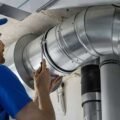
The treatment itself takes six to eight hours from setup to completion. Large industrial heaters, typically diesel or propane powered, are placed outside the home with flexible ducts running hot air inside. Multiple high-velocity fans circulate the heated air throughout the treated space. The goal is to raise the interior temperature to between 135 and 145 degrees Fahrenheit and hold it there for two to four hours.
Technicians monitor temperatures continuously using wireless sensors placed in every room, inside furniture, under mattresses, and in wall voids. The sensors confirm that every part of the treated space reaches the lethal temperature threshold. Bed bugs and their eggs die at 122 degrees Fahrenheit. The target temperature of 135 to 145 degrees provides a safety margin to account for cooler pockets in dense materials and wall cavities.
After the heat soak period, the equipment is removed and the home begins cooling. The entire process from arrival to departure takes six to eight hours. You can reenter the home immediately after the technicians leave. There is no chemical residue and no waiting period for drying.
Why Heat Treatment Costs More Than Chemical Treatment
Heat treatment is expensive because the equipment is expensive and the labor is intensive. A professional heat treatment rig costs $30,000 to $80,000. The diesel or propane fuel to run the heaters for six to eight hours costs $100 to $300 per treatment. Two to three technicians are on site for the full day. The company carries significant liability insurance because heating a home to 140 degrees carries fire risk if the technicians are not continuously monitoring temperatures near heat-sensitive materials.
Chemical treatment for bed bugs costs $300 to $500 per visit and typically requires three visits spaced two weeks apart, for a total of $900 to $1,500. Chemical treatment is cheaper per visit but takes longer and requires more preparation between visits. Laundry must be done before every visit, not just once. Mattress and box spring encasements must remain in place for a year or more to trap any surviving bugs.
Heat treatment costs two to three times as much but is completed in one day. For many people, the value proposition is not just about killing bugs. It is about sleeping in a bed-bug-free home the same night instead of waiting six weeks.
What You Must Do Before Heat Treatment
Heat treatment requires extensive preparation, and the preparation is your responsibility. If you do not prepare correctly, the treatment may fail and the company is not liable.
Remove all items that can be damaged by heat. The list is longer than most people expect. Remove candles, wax items, and oil-based cosmetics that will melt. Remove wine, liquor, and carbonated beverages that can explode. Remove medications, vitamins, and supplements. Remove houseplants. Remove pets, including fish tanks. Remove firearms and ammunition. Remove aerosol cans. Remove anything made of vinyl, including records and some window blinds. Remove oil paintings and some types of photographs. Remove fresh fruit and vegetables. Remove chocolate and any food that melts.
Unplug all electronics. Heat does not damage most electronics when they are unplugged, but powered electronics generate their own heat and can overheat when the room is already at 140 degrees. After the treatment, let electronics cool completely before plugging them back in.
Do not move items from infested rooms to non-infested rooms. Bed bugs hitchhike on anything you move. Bag items that need to be removed from treated rooms in sealed plastic bags and take them directly outside or to a designated safe zone. Wash all bedding, clothing, and fabric items in the infested rooms in hot water and dry on high heat. Bag the clean items in sealed plastic bags. Do not return them to the treated rooms until after the heat treatment is complete.
Open all drawers, closets, and cabinets in the treated area. Heat must reach inside enclosed spaces. Clothes packed tightly in drawers insulate each other and may not reach lethal temperature. Spread items out or remove them. Pull furniture a few inches away from walls so hot air can circulate behind it. Stand mattresses and box springs on their sides.
After Heat Treatment: What to Expect
Heat treatment kills all bed bugs and eggs in the treated area. You should not see live bed bugs after treatment. If you see live bed bugs within 30 days, the treatment was not fully effective and the warranty typically covers a free retreatment.
The most common reason heat treatment fails is that an infested item was removed from the treated area before treatment and brought back afterward. A single bed bug in a jacket taken to work and brought home re-infests the entire room within weeks. The second most common reason is that bed bugs were in a room that was not treated. If you treated the master bedroom but the infestation had already spread to the living room couch, the bugs in the living room repopulate the bedroom.
For these reasons, many companies recommend treating the entire home rather than individual rooms, even if bed bugs have only been found in one room. The price difference between treating one room and treating the whole home is often less than the cost of a second treatment when the room-only approach fails. Whole-home heat treatment eliminates bed bugs everywhere in the structure in a single day. It is the closest thing to a guarantee that exists in bed bug control.
DIY Heat Treatment: Why It Rarely Works
Rental heaters from hardware stores cannot reach or sustain the temperatures needed to kill bed bugs in wall voids, under carpets, and inside furniture. A consumer space heater might heat a room to 120 degrees, which is below the lethal threshold. It takes industrial equipment generating hundreds of thousands of BTUs to raise a home to 140 degrees and hold it there for hours.
The cost of renting professional-grade heat treatment equipment is $500 to $1,000 per day, plus fuel. For a one-time treatment on a small home, this is slightly cheaper than hiring a company but comes with significant risk. You are operating equipment you have never used. You do not have wireless temperature sensors monitoring wall voids and furniture interiors. If the temperature in the center of the mattress only reaches 118 degrees, the eggs survive and the treatment fails. You spend $800 on equipment rental and fuel and still have bed bugs. Hiring a professional for $1,500 and sleeping in a bug-free home that night is the better financial decision in most cases.
Heat Treatment vs. Chemical Treatment: Which Is Worth It
Heat treatment is worth the higher price when you need the infestation gone immediately, you cannot tolerate multiple chemical treatments over six weeks due to health concerns or scheduling, you have a severe infestation that has spread to multiple rooms, or you live in a multi-unit building where chemical treatment of one unit is less effective because bugs retreat to adjacent units.
Chemical treatment is the better financial choice when you have a light infestation caught early in one or two rooms, you can tolerate the preparation and laundry requirements for multiple visits, or you are price-sensitive and the $1,000 to $2,000 difference matters more than the time to resolution.
Some companies offer a hybrid approach. A single chemical treatment combined with steam treatment of mattresses and furniture, followed by two follow-up inspections and spot treatments. This costs $800 to $1,500 and splits the difference between chemical-only and heat-only options. It is more effective than chemicals alone and cheaper than heat alone.
Frequently Asked Questions
Do I need to throw away my mattress after bed bugs?
No. Heat treatment kills bed bugs inside mattresses. Do not throw away your mattress before treatment. Moving an infested mattress through the house spreads bed bugs to every room you pass through. After successful heat treatment, the mattress is bug-free. Install a bed-bug-proof mattress encasement after treatment to protect against any potential future infestation. Encasements cost $30 to $80.
Is one heat treatment always enough?
Yes, when performed correctly by a qualified company on a properly prepared home. Heat kills all bed bug life stages including eggs in a single treatment. Chemical treatments require multiple visits because no chemical reliably kills bed bug eggs. If a heat treatment fails, it is because an area did not reach the lethal temperature, an infested item was removed and brought back, or an untreated room contained bed bugs. These are execution failures, not limitations of the technology.
Will heat treatment set off my fire sprinklers?
Possibly. Fire sprinklers activate at 155 to 165 degrees Fahrenheit. Heat treatment targets 135 to 145 degrees, which is below the sprinkler trigger temperature. However, if a sprinkler head is near a heat duct where temperatures are higher, or if the technician loses temperature control, activation is possible. Companies that regularly perform heat treatment carry liability insurance for sprinkler activation. Ask the company specifically about their sprinkler protocol before treatment if your home has a fire suppression system.