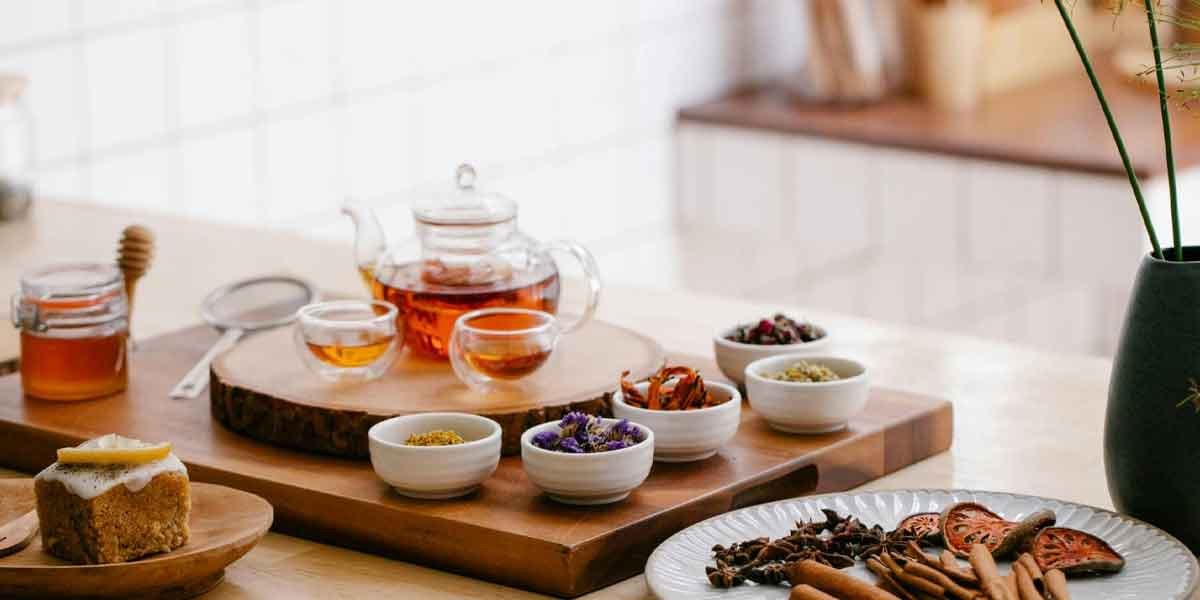
Organic tea has quietly moved from the cup to the cutting board, and food professionals who have not taken notice are missing one of the most versatile natural ingredients available today. Organic loose leaf tea (this is commonly referred to as ใบชาออร์แกนิค in Thai), grown without synthetic pesticides or chemical fertilisers, carries a cleaner, truer flavour profile than conventional alternatives, which makes it far more reliable when used as an actual food ingredient rather than just a beverage. From artisan bakeries developing new product lines to restaurant kitchens building seasonal menus around whole, natural ingredients, organic tea is earning its place as a genuine culinary staple.
Why Organic Certification Matters in Food Production
When tea moves from the cup into food, its provenance matters even more. Residual chemicals from conventional farming can alter flavour at high temperatures and raise concerns for food businesses selling to health-conscious consumers. Organic certification provides:
- Cleaner flavour extractionwhen steeping into stocks, syrups, or creams, with no off-notes from chemical residues
- Stronger on-pack appealfor food brands positioning products in the natural, clean-label, or wellness-focused market
- Traceable sourcingthat supports transparent ingredient labelling, something increasingly demanded by both retailers and end consumers
- Consistency in tasteacross batches, since organic growing tends to prioritise soil health and natural growing cycles that produce more stable leaf character
Practical Ways Food Professionals Use Organic Tea
The range of food applications for organic loose leaf tea is broader than most people expect. Once you start working with it as an ingredient rather than a drink, new possibilities open up quickly.
In baking and confectionery:
- Ground organic green tea, or matcha-style tea powder, folded into shortbread, financiers, or ganache
- Steeped black tea infused into caramel sauces, toffees, or buttercream frostings to add depth without artificial flavouring
- Dried chamomile or floral herbal teas blended into sugar for scenting pastry doughs and biscuit batters
In savoury cooking and meal prep:
- Lapsang souchong steeped in warm oil to create a smoky infusion for marinades and dressings
- Sencha or gyokuro brewed strong and reduced into a poaching liquid for white fish or tofu
- Black tea used as a braising base for slow-cooked meats, lending tannin structure and subtle earthiness
In beverages beyond the cup:
- Cold-brewed organic teas blended into sodas, shrubs, or drinking vinegars for artisan beverage production
- Tea-infused simple syrups used as a cocktail or mocktail base with far more character than plain sugar syrup
Sourcing Organic Tea for Commercial Food Use
Food businesses sourcing organic tea need to think beyond flavour. Shelf life, storage requirements, minimum order quantities, and batch consistency all affect how well a tea ingredient performs in commercial production. Single-origin organic teas tend to offer the most flavour predictability, which is valuable when consistency across product batches is non-negotiable.
From Ingredient to Identity
Organic tea has the rare ability to become a signature element in a food brand’s identity, something that communicates craft, care, and quality at a glance. If you are ready to bring serious organic tea into your kitchen or production line, Harney & Sons Teas Thailand offers an expertly curated range of organic teas with the flavour integrity and sourcing transparency that food professionals actually need.