An air conditioner compressor usually stops working because of a power interruption, a failed capacitor or contactor, restricted airflow that overheats the system, low refrigerant, thermostat or control faults, or internal compressor damage. The fastest safe approach is to rule out thermostat, breaker, filter, and outdoor-unit blockage first, then stop if the problem involves repeated trips, burnt wiring, ice, or refrigerant loss.
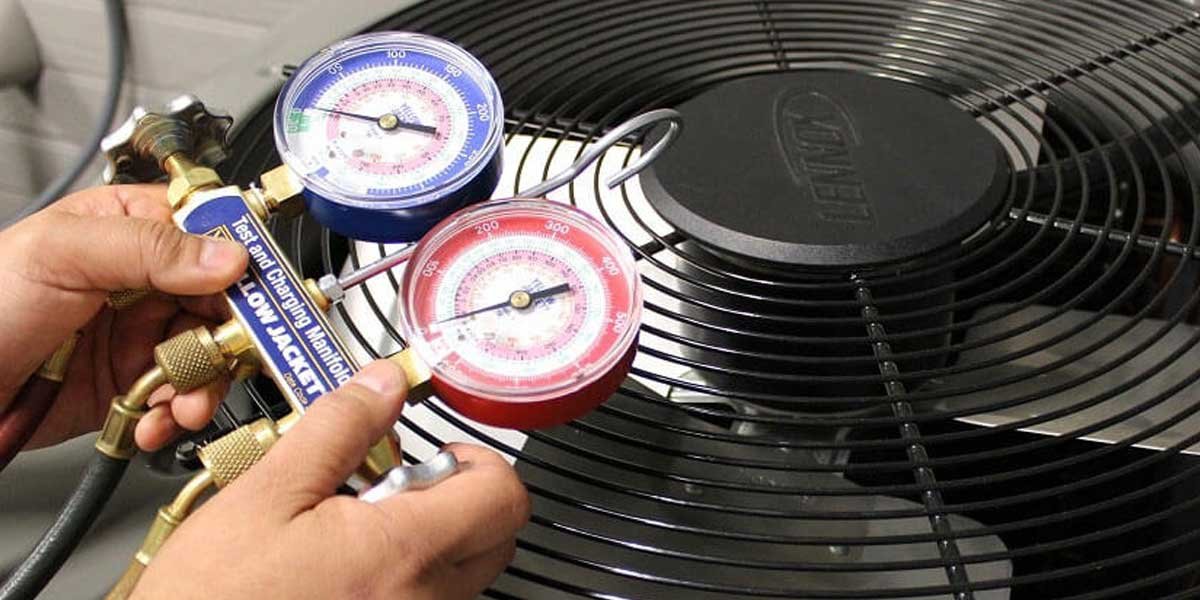
People often say the compressor is not working when they really mean the house is warm and the system sounds wrong. Those are not always the same problem. Sometimes the compressor is dead quiet. Sometimes it tries to start, hums for a second, and gives up. Sometimes the indoor blower runs and the outdoor fan spins, but the air indoors never gets cold.
That difference matters because the easy fixes sit at the surface, while the dangerous ones hide behind the service panel. A system that will not cool is annoying. A system that clicks, hums, and trips the breaker starts feeling expensive before anyone has even diagnosed it. Why air conditioner compressor not working? In plain homeowner language, that usually means the symptom got noticed before the cause did.
| What you notice | Most likely cause | Safe first move | Technician needed? |
|---|---|---|---|
| Outdoor unit is completely silent | Thermostat setting, breaker, disconnect, control fault, or no power | Check thermostat mode, breaker, and outdoor disconnect | Yes if power is present but the unit stays dead |
| Outdoor fan runs but compressor does not | Bad capacitor, contactor issue, low refrigerant protection, or compressor fault | Shut system off and inspect for obvious debris or ice | Usually yes |
| Humming or clicking but no startup | Weak capacitor, stuck contactor, or locked compressor | Turn system off and do not keep forcing resets | Yes |
| Breaker trips when cooling starts | Short, seized compressor, wiring fault, or over-amp draw | One reset at most after a clear power event | Yes |
| System runs but air is warm | Dirty filter, blocked coil, thermostat issue, low refrigerant, or compressor problem | Replace filter and clear condenser area | Maybe, if cooling does not return quickly |
What it usually means when an AC compressor is not working
When the thermostat is set low, the house still feels sticky, and the outdoor unit sounds wrong, the real issue usually falls into one of three buckets: the compressor never starts, it tries and fails to start, or it runs but the system still cannot move heat out of the house. The compressor is the pump that circulates refrigerant between the indoor evaporator and the outdoor condenser.
That last sentence matters because a bad cooling complaint does not automatically prove the compressor itself is ruined. Carrier notes that a system blowing warm air can come from thermostat settings, dirty filters, blocked outdoor coils, frozen evaporator coils, refrigerant loss, or electrical faults. Some of those problems can leave the compressor looking guilty when it is actually reacting to something upstream or downstream.
There is also a practical difference between a compressor problem and a no-cooling problem. If the outdoor unit is silent, start with power and controls. If the outdoor fan runs but the compressor does not, the suspect list gets narrower. If the compressor hums, clicks, or trips the breaker, stop thinking in terms of convenience and start thinking in terms of risk.
Start with the safe homeowner checks
If the rooms are warming up and you are still deciding whether this is a nuisance or a real breakdown, start with the safe homeowner checks: confirm the thermostat is calling for cooling, confirm the breaker and outdoor disconnect are on, inspect the filter, and clear obvious blockage around the condenser. Those steps rule out the easiest failures without opening electrical compartments or touching refrigerant components.
Trane lists thermostat settings, dirty filters, blocked coils, and open breakers among the most common reasons an AC system stops cooling or stops running properly. That aligns with what homeowners usually find first: a thermostat bumped to fan mode, a choked filter, or an outdoor unit half-buried in cottonwood fluff, leaves, or grass clippings.
- Set the thermostat to cool and lower it at least a few degrees below room temperature.
- Check the indoor breaker and the outdoor disconnect box if your home has one.
- Wait a few minutes after a reset or power outage because some systems use a built-in delay before restarting.
- Inspect the return filter and replace it if it is visibly dirty.
- Look at the outdoor condenser and clear away leaves, weeds, and anything choking airflow.
This is where people often misread the symptom. They hear “compressor” and jump straight to the most expensive failure, even though the system may still be locked out by a control issue or starved by bad airflow.
If the unit comes back after a filter change or a thermostat correction, that does not prove everything is healthy forever. It only means the system had an obvious problem first. If the same symptom returns quickly, there is probably a deeper cause behind it.
The pressure point is timing. A quick restart after a filter change feels reassuring, but a system that slips back into the same behavior later that day is usually asking for a better diagnosis, not more optimism.
The most common reasons the compressor will not start or stay on
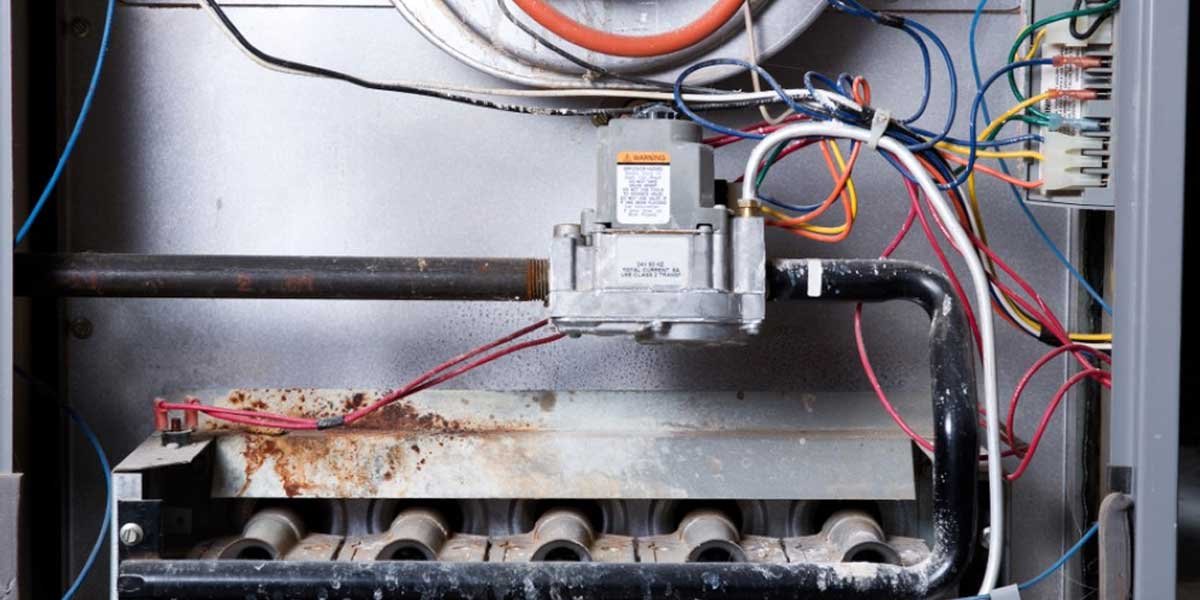
After the easy checks look normal, this is the point where the problem stops feeling random and starts falling into a few repeat categories. The compressor usually refuses to start or stay on because of power and control problems, failed start components, overheating from dirty coils or poor airflow, refrigerant-related pressure problems, damaged wiring, or internal compressor wear.
Total Comfort highlights improper refrigerant charge, power issues, damaged wires, failed capacitors, dirty buildup, condenser fan problems, and thermostat malfunctions as leading causes. That list is broad, but it becomes easier to use once you split it into what the compressor needs in order to start at all.
| Cause group | What it does to the system | What the homeowner may notice |
|---|---|---|
| Power and controls | The compressor never receives a clean call to start | Silence outside, no response after thermostat demand, or reset needed after outage |
| Capacitor or contactor failure | The compressor tries to start but lacks the electrical push or switching path | Clicking, humming, fan running without full cooling, or brief startup attempts |
| Airflow and coil problems | The system overheats or runs at the wrong pressures | Warm air, frozen coil, outdoor unit running hard, weak cooling before shutdown |
| Refrigerant or pressure fault | Safety controls prevent normal compressor operation or cooling collapses | Long run times, warm supply air, ice, oil spots, or declining performance |
| Internal compressor damage | The motor or mechanical parts cannot start or keep pumping | Loud hum, breaker trips, hard starts, or confirmed no-compression diagnosis |
Restricted airflow deserves more respect than it usually gets. A neglected filter or filthy coil can push the entire system into bad operating conditions, and by the time the compressor starts protesting, the root problem may have been sitting in plain sight for weeks.
Power events matter too. After a storm or brief outage, a unit may not restart because a breaker tripped, a disconnect shifted, or the controls are waiting out a short anti-short-cycle timer. That is very different from a compressor that tries to start, groans, and pulls too much current.
What different symptoms usually point to
Standing by the outdoor unit for half a minute usually tells you more than another thermostat adjustment. Fan-only operation, clicking, humming, repeated breaker trips, and warm air all suggest different failure patterns, and matching the exact symptom to the most likely fault path saves time faster than throwing every possible cause into one paragraph.
| Exact symptom | Often points toward | Why that pattern matters |
|---|---|---|
| Outdoor fan runs but compressor stays off | Capacitor problem, contactor issue, low-pressure or high-pressure lockout, or compressor fault | The outdoor unit has some power, so the problem is narrower than a total shutdown |
| Click, hum, then silence | Weak start capacitor or locked rotor | The compressor is trying to start but cannot get moving cleanly |
| Breaker trips as soon as cooling starts | Electrical short, seized compressor, or severe over-amp draw | This is not a “keep trying” symptom |
| Indoor blower runs, but supply air stays warm | Airflow issue, refrigerant problem, outdoor-unit fault, or compressor not pumping properly | The thermostat is calling, but the heat-rejection side is failing |
| Short cycling with little cooling | Control problem, pressure issue, dirty coil, or failing component | Repeated starts put extra stress on the compressor |
A humming compressor is one of the more unsettling sounds in HVAC because it suggests the machine wants to start and cannot. That sound often gets described as “it sounds alive, but nothing is happening,” which is exactly why people keep toggling the thermostat and breaker. Repeated attempts can make a bad situation worse.
Fan-running and no-cooling complaints also fool people because the unit appears half-alive. The outdoor fan can spin while the compressor remains offline, which is why “the outside unit is running” is not enough detail by itself.
The risk shifts here. Once the system is humming, clicking, or tripping under load, every extra reset can turn a limited electrical problem into a longer service visit on a hotter day.
The tradeoff is not subtle. Waiting for a technician is inconvenient, but repeatedly forcing a stalled compressor to start is one of the faster ways to turn a contained fault into a larger repair.
After a power outage
If the compressor stopped working after a power outage, start with the thermostat, breaker, and disconnect, then wait several minutes before judging the restart. Some systems intentionally delay compressor startup after power returns, while others trip a breaker or expose a weak capacitor that was already close to failing.
The timing matters here. A unit that ran fine for years and then stalled right after a storm may still have a component failure, but the outage is often the event that exposed it rather than the only cause.
When the AC fan runs but the compressor does not
If the fan runs but the compressor does not, think first about start components, control issues, or pressure-related lockouts rather than a dirty filter alone. The system has partial power, but the part that actually moves refrigerant is not joining the cycle.
That is usually the point where DIY stops being productive. You can observe the pattern safely. You should not diagnose high-voltage parts by trial and error.
What not to do, and when to stop troubleshooting
Stop troubleshooting once the problem points to high voltage, refrigerant handling, repeated breaker trips, exposed wiring, heavy ice, oil around lines, or a compressor that hums and stalls. Those are technician problems, not because homeowners are incapable, but because the consequence of guessing is much worse than the inconvenience of waiting.
- Do not keep resetting a breaker that trips under cooling demand.
- Do not open electrical panels or touch capacitors unless you are trained to do it safely.
- Do not keep forcing the system to run if the coil is iced or the cabinet smells burnt.
- Do not assume adding refrigerant is a normal maintenance step. Low refrigerant usually means a leak.
- Do not confuse a temporary restart with a solved problem if the same symptom returns the same day.
This is the point where frustration makes people do the least helpful thing: one more reset, one more thermostat drop, one more hope that the next click will be the one that sticks. When the breaker keeps tripping or the compressor keeps stalling, the system is already telling you the safe part of the checklist is over.
Burnt smells, visible wire damage, or a very hot outdoor cabinet deserve special caution. So do iced refrigerant lines and puddles that suggest freeze-thaw cycles. Those are not subtle signs, and they are not the kind to improve because someone waited another hour.
Repair the compressor, replace the compressor, or replace the system?
Whether repair makes sense depends on what actually failed, how old the system is, whether the compressor is under warranty, what refrigerant the unit uses, and whether the system has already needed other major work. A bad capacitor is a repair conversation. Confirmed internal compressor damage is often a larger financial decision.
That distinction gets blurred online because people hear the word compressor and assume the whole outdoor unit is done. Sometimes the real repair is still outside the compressor itself. Other times the diagnosis lands on a compressor replacement in an aging system, and that is where replacement starts making more sense than sinking money into the old equipment.
| Situation | Repair is more likely to make sense | Replacement starts making more sense |
|---|---|---|
| Failed capacitor, contactor, or control issue | Yes, if the rest of the system is in decent shape | No, unless the unit has multiple other major issues |
| Confirmed compressor internal damage | Maybe, if the unit is newer and warranty support is strong | Often yes if the unit is older or already unreliable |
| Older system with repeated repairs | Only if the fix is small and isolated | Often yes |
| Refrigerant leak plus compressor stress | Depends on leak location and overall condition | More likely if the repair stack keeps growing |
The emotional part of this decision is simple even when the mechanical part is not: nobody likes paying for a major repair only to wonder whether the next hot week will expose something else. That is why age, warranty, and repair history matter almost as much as the compressor diagnosis itself.
How compressor trouble usually builds, and how to cut the risk
You reduce the odds of compressor trouble by keeping airflow healthy, keeping the outdoor unit clear, noticing weak cooling early, and treating breaker trips or odd sounds as warnings instead of background noise. Compressors live hardest when the rest of the system is neglected.
- Change or inspect filters on schedule for your system and household conditions.
- Keep the outdoor condenser free of weeds, leaves, and packed debris.
- Pay attention to longer run times, warmer supply air, or new clicking and humming sounds.
- Schedule routine service if the system has had repeated cooling complaints.
- After storms or outages, confirm the breaker and disconnect once instead of repeatedly cycling power.
Most compressor failures do not feel sudden in hindsight. The system usually gives a trail of smaller warnings first. The trouble is that weak cooling and longer run times are easy to live with right up until the day the unit stops negotiating.
Why air conditioner compressor not working FAQ
Why is the AC fan running but the compressor not working?
If the AC fan is running but the compressor is not working, the system may have power to the outdoor unit but not enough for the compressor to start normally. A weak capacitor, contactor issue, control fault, pressure lockout, or compressor failure are common reasons.
Can a bad capacitor make the compressor stop working?
Yes, a bad capacitor can keep the compressor from starting because the motor does not get the boost it needs to begin turning. Clicking or humming without a clean startup often points in that direction, but the part should be tested safely by a technician.
Why air conditioner compressor not working?
Why air conditioner compressor not working? Most of the time, that question leads back to power loss, failed start components, restricted airflow, refrigerant problems, or internal compressor damage. The symptom sounds singular, but the fault path usually is not.
Should I reset the breaker if the compressor will not start?
You can check a breaker once, especially after a known outage, but repeated trips mean the system needs diagnosis rather than more resets. A breaker that trips again under cooling demand is a stop sign, not a maintenance routine.
Can low refrigerant keep the compressor from turning on?
Yes, low refrigerant can keep the compressor from operating normally because pressure conditions move outside the range the system expects. Low refrigerant is not a fuel that gets used up, so the real issue is usually a leak.
Is a bad compressor always worth replacing?
No, a bad compressor is not always worth replacing because the answer depends on system age, warranty coverage, refrigerant type, and the cost of the rest of the repair picture. In a newer system, compressor repair may be reasonable. In an older system with other issues, full replacement can be the cleaner decision.
Why did the compressor stop after a power outage?
A compressor can stop after a power outage because a breaker tripped, the disconnect opened, the controls are in a restart delay, or a weak electrical component failed during the power event. If the system does not recover after the basic checks, the outage probably exposed a part that was already near failure.
Why air conditioner compressor not working after a power outage?
Why air conditioner compressor not working after a power outage usually comes down to a tripped breaker, an opened disconnect, a restart delay, or a weak capacitor or contactor that failed during the power event. If the system does not recover after the basic checks, the outage probably exposed a component that was already close to failure.
Why air conditioner compressor not working even when the fan runs?
Why air conditioner compressor not working even when the fan runs usually means the outdoor unit has some power, but the compressor still cannot start or stay in the cycle. That often points toward a capacitor, contactor, control fault, pressure lockout, or internal compressor problem rather than a simple thermostat mistake.
The usual answer to why air conditioner compressor not working is less mysterious than it feels in a hot house. Why air conditioner compressor not working? Usually because the easy checks ran out and the exact symptom started pointing toward one narrower fault path. Start with the obvious checks, pay attention to the exact symptom instead of the broad fear, and stop once the signs point toward high voltage, refrigerant, or internal compressor damage.