A house can appear perfectly fine while small problems quietly build in the background. Paint may still look fresh and floors may still shine though hidden wear is often being ignored behind walls, beneath sinks and around exterior fixtures. Many homeowners focus on repairs only after something stops working because obvious damage demands attention immediately. The less-visible issues, however, are usually pushed aside with those maybe-next-week thoughts that rarely turn into action.
What makes home maintenance difficult is not always the cost. In many cases, the problem is timing. Minor warning signs are dismissed because they seem harmless at first. A faint smell near a vent, a slow drip under a sink or a sticking garage door may not seem urgent during a busy week. Still, neglected maintenance has a habit of growing quietly while daily routines continue uninterrupted.
Some parts of a house are checked constantly while others are forgotten for months. Those overlooked areas often create the biggest repair bills later. A little attention in the right places can prevent structural damage, energy loss and unnecessary stress.
The Small Mechanical Problems Nobody Notices
Mechanical systems around the house are expected to function every day without much thought being given to them. Garage doors are opened repeatedly, HVAC systems run constantly and plumbing fixtures are relied upon almost automatically. The trouble is that wear develops gradually and small changes are rarely noticed immediately.
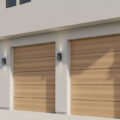
For example, garage door tracks may loosen slightly after repeated use and rollers can begin wearing unevenly. Strange sounds are often ignored until the door stops moving properly. Homeowners should work with a reliable garage door installation company when replacements or adjustments are needed because poorly aligned systems can become safety concerns quickly.
Air filters are another commonly forgotten item. When filters remain unchanged for too long, airflow becomes restricted and HVAC systems are forced to work harder. Rooms may feel unevenly cooled and energy bills can increase without a clear explanation. Has a room in the house ever stayed warmer than the rest even though the thermostat looked normal?
Water heaters are also neglected more often than expected. Sediment builds inside tanks slowly and efficiency is reduced as mineral deposits collect. In some homes, faint rumbling sounds are heard during operation although the cause is not always understood right away.
Even exhaust fans deserve more attention than they usually receive. Dust buildup can limit ventilation in bathrooms and laundry rooms which allows moisture to linger longer than it should.
Those Forgotten Corners Hold More Trouble Than Expected
Some maintenance problems are hidden simply because certain areas are rarely visited. Crawl spaces, attics and storage corners are often ignored until visible damage appears somewhere else in the house. By then, the original problem may have already spread.
Attics are a common example. Insulation may shift gradually and small roof leaks can go unnoticed for long periods. During colder months, trapped moisture may encourage mold growth near wooden beams or insulation materials. In warmer weather, poor attic ventilation can increase indoor heat and place extra strain on cooling systems.
Under sinks, slow leaks are frequently missed because cleaning supplies or storage bins block the view. Moisture may collect quietly beneath cabinets and wood can weaken before stains become visible. For example, a tiny pipe connection beneath a kitchen sink might drip for weeks before soft flooring is noticed nearby.
Certain warning signs are often dismissed although they deserve attention:
- Musty odors near walls or cabinets
- Peeling paint around windows
- Soft spots beneath flooring
- Rust forming on exposed fixtures
- Condensation appearing repeatedly on glass surfaces
Exterior drainage issues are also underestimated in many homes. Water pooling near the foundation after rain can place pressure against basement walls and moisture intrusion may follow soon after. Would anyone normally suspect poor soil grading as the reason for a damp basement smell? Probably not, though it happens often.
Outdoor Maintenance Gets Ignored Faster Than Indoor Repairs
Indoor problems are usually noticed quickly because they interrupt daily routines. Exterior issues, however, are easier to postpone because they stay outside the immediate living space. Gutters clog slowly, siding fades gradually and cracks in concrete expand little by little.
Gutters are among the most neglected features around a house. Leaves, dirt and debris collect quietly until water begins spilling over the edges. That overflow can damage siding and allow moisture to gather near the foundation. In colder regions, trapped water may freeze and create additional strain on gutter joints.
Roof inspections are also delayed more than they should be. Missing shingles, cracked flashing and weakened seals around vents can remain unnoticed from ground level. A leak may only be discovered once stains appear indoors although moisture has already traveled beneath roofing materials.
Driveways and walkways deserve attention as well. Small cracks in concrete often appear harmless though moisture enters those openings easily. During freezing weather, expansion caused by ice can widen the cracks significantly.
Outdoor fixtures experience wear from changing weather conditions every season. Door frames may swell during humid months and exterior paint can peel after prolonged sunlight exposure. Homeowners sometimes focus heavily on interior design while exterior upgrades connected to maintenance are delayed repeatedly.
The Quick Seasonal Checks That Save Bigger Repairs
Seasonal maintenance is often ignored because many tasks seem minor at first. Still, a few quick inspections can prevent larger repairs later. Before summer, cooling systems and vents should be checked because dust buildup often restricts airflow. During autumn, gutters should be cleared before rainwater begins collecting around the roofline.
Winter preparation matters just as much. Pipes near exterior walls can freeze under colder temperatures and worn weather stripping may allow drafts indoors. Spring inspections are also important because loose shingles, clogged drainage systems and early wood rot become easier to spot after winter moisture exposure.
Routine maintenance is frequently delayed because obvious damage is not always visible. Mechanical systems wear down quietly and moisture can spread behind walls without immediate signs. Paying attention to smaller warning signs helps prevent more expensive structural problems and keeps the house functioning comfortably throughout the year.