Most buyers, or visitors, for that matter, form an opinion about a property before they’ve touched the door handle. What they see from the street sets the frame for everything inside, and a neglected exterior can undermine even the most beautifully finished interior. These seven upgrades won’t require a structural overhaul. Each one can be tackled over a weekend with the right materials and a clear plan.
Start With the Boundary
The lines between private and public spaces blur when you neglect your boundaries. A sagging wooden fence or a wall with chunks missing tells your neighbors more about you than you might think, signaling neglect instead of privacy. Conversely, a well-maintained, clean statement says you care about your whole property. According to a survey by the HomeOwners Alliance, well-maintained paths and fences are among the top features that can add up to 10% to a property’s value in the eyes of potential buyers.
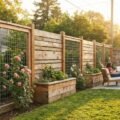
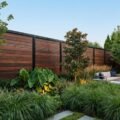
For garden fences, pressure-treated timber will keep out the worst of the weather far better than untreated softwood. Pre-fabricated panels may be more expensive than putting something together piecemeal but at least, the alignment will be consistent. The finish and the uniform size less likely to make it clear that you’re an amateur. Fence panels from Golden Larch are exactly the sort of readymade option you’d expect, and it’s pretty much idiot-proof. The style you choose should largely reflect the style of your building. A simple clean horizontal panel suits a contemporary build. A classic featheredge suits something older. Don’t get them mixed up.
Refresh the Entryway
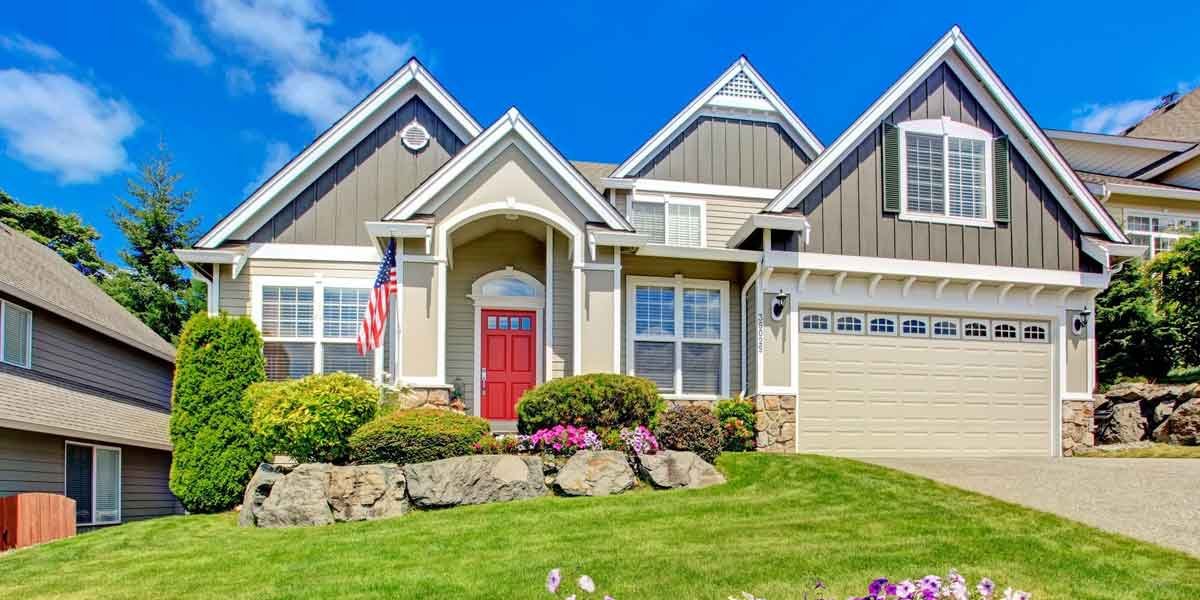
Whether intentional or not, the front door is always a focal point. A tired, old colour; peeling, flaking paint; or mismatched, dated hardware will bring everyone’s impression of your property down. Repainting the door (especially if it’s wood and you can do it yourself) in a colour that looks considered (deep navy, forest green, or slate grey all work well with brick or render) costs nothing but a tin of paint.
You’ll need to update the knocker, letterbox, and house number so that they all match. This shouldn’t take longer than an hour and costs less than you think. If you then install a wall-mounted light fitting either side of the door, you’ll have perfect symmetry for a fraction of the price of a new doorway. It will just look intentional.
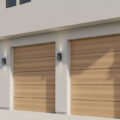
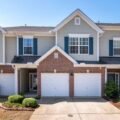
While focus is often on the front door, the garage door also serves as a significant visual component that affects the home’s overall character. Ensuring it remains in peak condition prevents the facade from appearing neglected and supports a sense of security. Homeowners who prioritize maintenance can avoid the frustration of a noisy or stuck door while keeping their exterior looking polished. For those requiring expert assistance with mechanical issues or structural damage, Top-Rated Garage Door Repair in Pflugerville, TX, can provide the necessary adjustments to restore both function and style. This simple step preserves the longevity of the system and reinforces the curb appeal of the entire property.
Address the Driveway and Path
People tend to underestimate the visual real estate hard surfaces occupy.
While driveways and paths are major contributors to visual appeal, the garage door often serves as the true anchor of a home’s exterior. Because it occupies a significant portion of the facade, its condition directly reflects the overall maintenance of the property. Upgrading a fading or outdated door can provide a sense of visual balance and modernize the entire look of the building. For homeowners noticing mechanical wear or cosmetic damage, seeking garage door repair in Waynesboro can ensure this prominent feature remains functional and stylish. Keeping the door well-maintained supports a cohesive design and makes the home stand out as polished and cared for.
A stained driveway or a cracked path reads as the dominant texture when someone looks at your home from the street. Pressure washing is the fastest return on time you’ll find in any exterior project: It removes years of dirt, moss, and weathering without any specialist knowledge.
If the surface itself is destroyed beyond cleaning, resin-bound gravel is worth considering as a replacement material. It drains well, looks clean and contemporary, and holds its appearance longer than poured concrete. Keep the colour neutral. Statement driveways rarely age well.
Use Vertical Space
Many individuals envision planting as creating beds at ground level, but it’s vertical interest that prevents a flat façade from appearing too stark. Climbers such as wisteria or Virginia creeper can add softness to hardscaping rather than dominate it, and faithfully return each year with minimal effort.
Where planting is out, be it a fence line taken up with bins or utility boxes, opt for decorative screening instead. Slatted timber or powder-coated steel panels discreetly hide the necessary and add a neat edge to spaces that are typically disregarded.
Update the Colour Palette on Existing Surfaces
Using render, masonry paint, and wood stain are all relatively inexpensive, and the move away from old-fashioned beiges or yellow-toned wood stains to modern greys and cooler neutrals is one worth making. It’s not about chasing trends, it’s about making sure your exterior doesn’t date the building.
A single consistent colour palette across fences, woodwork and rendered walls pulls everything together. Variation looks unplanned. Consistency looks like a decision.
Add Low-Maintenance Planting
Landscaping that needs tending just looks terrible when you don’t have time to tend it. Perennial borders and mulch beds are a better choice than annual bedding plants as they keep structure through winter and come back year after year.
Box hedging, lavender, and ornamental grasses all add shape year-round. Mulch between plants stops the bare soil look and reduces weeding to almost nothing. The aim is a garden that looks manicured but doesn’t need perfect upkeep to stop it looking awful.
Light it Properly
Outdoor lighting is an upgrade that keeps on working after dark. Many homes have, at most, a single porch light that’s either too dim or utterly utilitarian. Wall lights at a uniform height on either side of the door, plus low-level path lights, create a sense of breadth and welcome that reads well both to actual and online visitors. Solar powered lights are now very reliable. Wired lighting systems give you total control but require an expert to install. Either option is better than none.
The exterior of a home functions visually as a single, unified piece. When the property line, the entry, the walls, and the plants all get the same level of attention, the result is more than skin-deep. It will reprogram how your home is perceived and classified.