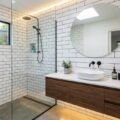
Sliding shower doors give a bathroom a neat, open look while solving one of the most common layout problems: where to put the door swing. Instead of opening out into the room, the glass panels glide along a track, so nothing pushes into your floor space. Many homeowners now pick sliding doors when they remodel because they want a clean style that also makes daily showers easier. Shoppers searching Google for shower door ideas often see the same themes in the top results: use clear lines, avoid bulky frames, and choose hardware that matches the rest of the bathroom. Sliding shower doors check all those boxes. They work in alcove tubs, walk‑in showers, and corner units, and you can find versions that fit both compact and large layouts.
This guide explains what sliding shower doors are, how they work, why homeowners choose them over hinged doors, and which features matter most when you compare options for your own bathroom.
What Are Sliding Shower Doors and How Do They Work?
Track, glass panel, and opening design basics
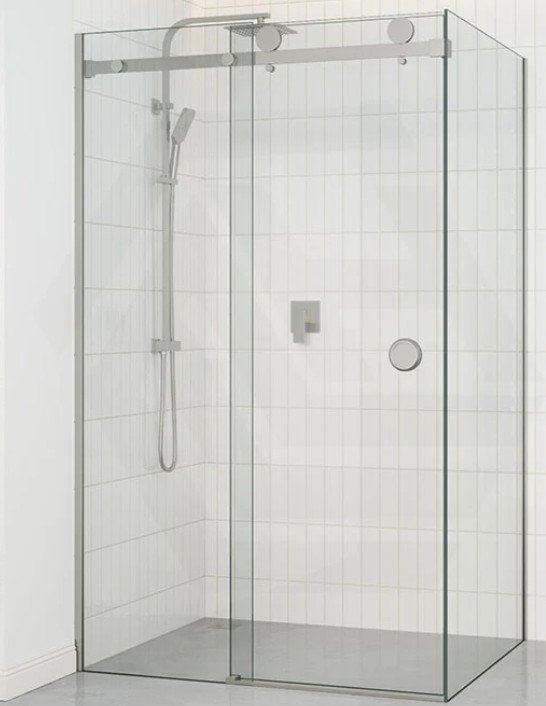
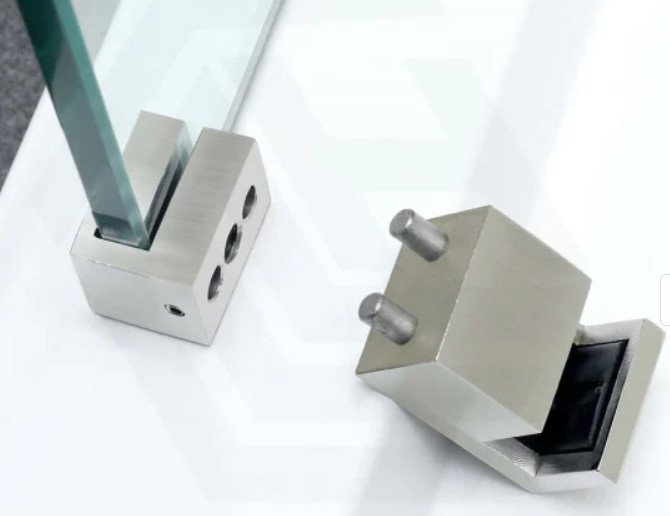
A sliding shower door system starts with the track. This bar or rail runs along the top, bottom, or both, depending on the design. Wall brackets anchor it to the side walls, and sometimes a small guide block sits at the bottom to keep the panels from swinging. The glass panels connect to the track through rollers or hangers. In many modern “barn door” style showers, the glass hangs from large, visible rollers on a top rail. Traditional framed doors often use a bottom track with wheels that roll inside a channel. Both designs aim to keep the panel stable and moving in a straight line.
The opening design affects how you enter the shower. Some doors slide both ways, letting you open either side. Others have one fixed panel and one active panel that always opens on the same side. For tub‑shower units, two sliding panels can overlap in the middle, so you can reach fixtures or step in from either end. The right layout depends on where your shower head, controls, and bathroom fixtures sit.
How sliding doors differ from hinged shower doors
Hinged shower doors pivot on one side and swing open like a regular door. This creates a wider, unobstructed opening, which some homeowners prefer for easy access, especially in larger bathrooms. However, the door needs clear floor space to swing out, and code or safety guidelines often require it to open outward. In a tight room, that swing path can hit a toilet, vanity, or towel bar. Sliding shower doors move within the line of the enclosure, so they do not require extra clearance. The opening is often narrower than a full swing door, but the trade‑off is better use of space. Hinged doors usually have fewer metal parts and can look very minimal in frameless designs, but modern sliding systems now compete closely in style.
Maintenance also differs. Hinged doors may collect water and soap at the bottom sweep and hinges, while sliding doors need clean tracks and rollers. When you compare top‑ranked products, you will see many brands offer both styles, but they often recommend sliding doors for compact baths and hinged doors for wide, open layouts.
Why Do Homeowners Choose Sliding Shower Doors?
Space-saving benefits for smaller bathrooms
Sliding shower doors shine in small or narrow bathrooms where every inch counts. Because the panels move sideways, they do not need a clear arc to swing open. This avoids conflicts with toilets, vanities, or storage cabinets placed close to the shower opening. In many apartments and compact homes, that alone makes sliding doors the only sensible choice. Top remodeling blogs often show floor plans where a hinged door would hit another fixture or block a walkway. In those examples, a sliding door allows full access without changing the plumbing layout. For tub‑shower combos, two sliding panels can overlap, so you can step in from one end while still reaching the faucet controls from the other.
Sliding doors also help visually. A clear glass panel that stretches the full width of a small bath creates a longer sight line. Instead of a heavy curtain dividing the room, the shower blends into the rest of the space, making the room feel more open even though the footprint stays the same.
Clean modern style and practical daily use
Sliding shower doors fit the clean, modern style many homeowners want. The straight lines of the track, the large glass panels, and slim hardware work well with everything from simple white tile to bold statement walls. Popular finishes like matte black and brushed nickel match current faucet and fixture trends, so the whole room can feel cohesive. Practically, sliding doors are easy to use every day. Good rollers let the panels glide with a light push. Soft‑close systems prevent slamming, which helps in busy households. The panels stay on track, so you are not fighting a curtain or adjusting a misaligned door each time you shower.
Water control also improves daily comfort. Fixed overlaps and seals help keep spray inside the enclosure, reducing puddles on the floor. Many models include towel‑bar handles, so you can hang a towel right where you need it. With clear glass, you can check on kids or older family members more easily, while frosted or textured glass offers privacy where needed.
Which Sliding Shower Door Features Matter Most?
Framed, semi-frameless, and frameless options
Framed sliding shower doors use metal around all glass edges and usually include a full top and bottom track. They often cost less and feel sturdy, but they show more metal and have more corners where soap and water can collect. Many budget‑friendly models online fall into this category. Semi‑frameless designs reduce visible metal. They may frame the sides or top but leave the main panel edges exposed. This creates a lighter, more modern look while keeping costs and installation steps manageable.
Frameless sliding doors rely on thicker glass and minimal hardware. The panels often hang from a sleek top rail with no bottom track. This style appears most in design‑focused remodels and higher‑end products featured in top blogs. Frameless systems look very open and upscale but need precise installation and typically cost more.
Glass type, finish, and maintenance needs
Most sliding shower doors use tempered safety glass, usually between 1/4” and 3/8” thick. Thicker glass feels more solid and is common in frameless designs. Clear glass remains the most popular because it makes the room look larger and showcases tile work. Frosted, tinted, or patterned glass adds privacy and can hide water spots a bit better. Many leading brands offer glass with factory‑applied protective coatings. These treatments help repel water and reduce mineral buildup, making the door easier to clean. If you have hard water, this feature can save time and keep the glass clearer over the long term.
For maintenance, simpler tracks and fewer metal crevices mean less scrubbing. A frameless or semi‑frameless design with a clean top rail and minimal bottom channel usually collects less soap scum. Regular squeegeeing after showers and mild cleaners help any glass type stay clear.
Conclusion
Sliding shower doors give homeowners a practical way to upgrade both the look and function of a bathroom. Instead of doors that swing into valuable floor space, sliding panels move along a track, making them ideal for compact rooms and tight layouts. The design creates a clean, modern line that works with many styles, from simple and minimal to bold and spa‑like. Understanding the basics—track design, panel layout, and how sliding doors differ from hinged options—helps you match the door to your space. Knowing the main feature choices, such as framed versus frameless construction and different glass types, lets you balance budget, style, and maintenance needs.
Homeowners choose sliding shower doors because they open smoothly, contain water well, and make a small bathroom feel more open. Quality hardware and the right glass finish can also reduce cleaning and help the door last longer. By focusing on these key elements, you can select a sliding shower door that not only fits your current layout but also supports daily comfort for years to come.
Whether you are replacing a shower curtain or planning a full remodel, a well‑chosen sliding shower door can become one of the most useful and attractive parts of your bathroom.