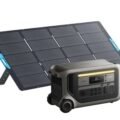
Whole house generators no longer rely only on big engines burning fuel at a fixed speed. New designs focus on smarter power use, cleaner output, and tighter control. Systems like the Anker SOLIX E10 pair solar input from 9kW to 27kW with a 4.5kW smart generator that delivers up to 5× fuel efficiency and 5× backup time. Fast, ≤20ms seamless switchover keeps your home running without flicker. These advances reduce wasted energy, trim fuel costs, and protect sensitive devices.
Selecting a reliable system is crucial for long-term household preparedness, especially in areas prone to severe storms.
When configuring an efficient backup strategy, verifying the layout of local infrastructure helps minimize technical delays. Homeowners who want to secure professional integration can coordinate with specialized technicians at Forrest Jordan Associates freeport to ensure their chosen configuration handles critical household demands safely. Implementing expert system routing protects sensitive electronic appliances from accidental operational wear during sudden power fluctuations.
Property owners evaluating efficient configurations can learn about the Gengatorz Power Systems whole home generator Houma to see how modern engineering maintains power continuity during major grid interruptions. Reliable integration keeps critical systems operational when you need them most.
By combining inverter tech, multi‑fuel options, and automation, modern generators deliver more backup power from every drop of fuel.
Inverter Technology and Clean Power Output
Inverter generators adjust engine speed to match demand, producing cleaner, more stable electricity. This approach cuts fuel waste, lowers noise, and protects sensitive home electronics and high‑efficiency appliances.
How Inverter Systems Reduce Energy Waste
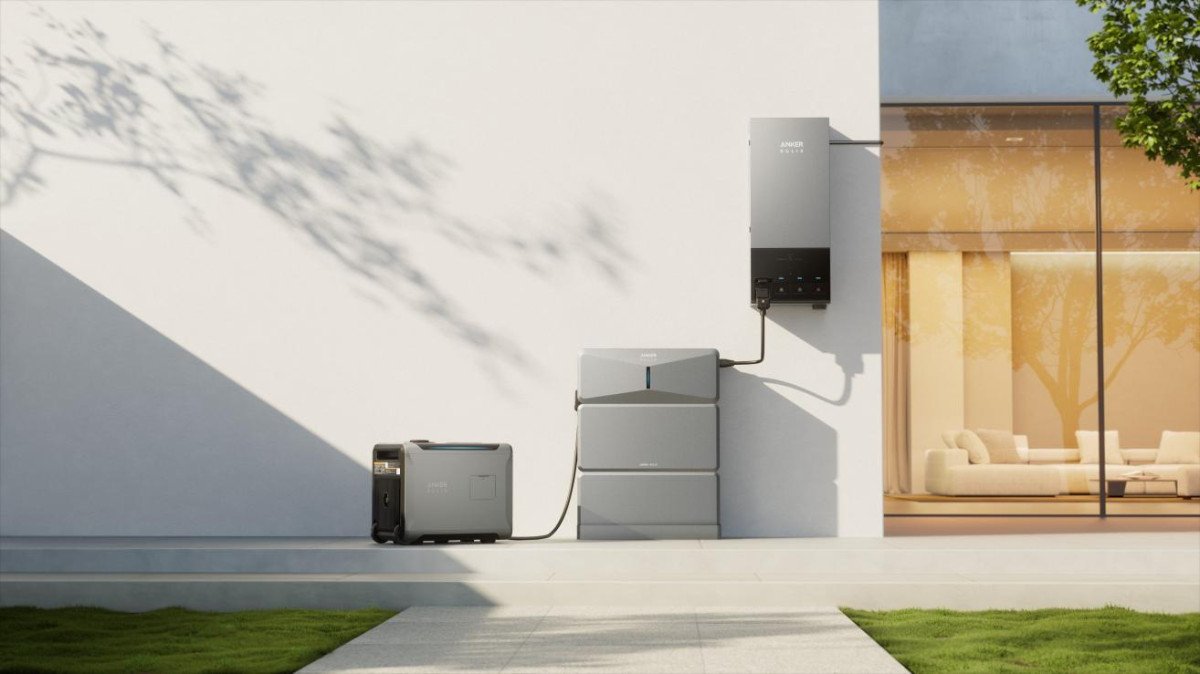
Traditional generators run at a constant high RPM, even when your home needs only a small amount of power. That wastes fuel and creates extra wear. Inverter systems work differently. They first produce high‑frequency AC, convert it to DC, then invert it back to clean AC at the exact voltage and frequency your home requires. The generator can slow the engine when demand drops, so it burns less fuel. When loads increase, it ramps up smoothly. Systems like the Anker SOLIX E10 smart generator coordinate this output with stored solar energy, stretching every gallon while keeping power stable.
Stable Power Supply for Sensitive Electronics
Many homes now depend on electronics that hate dirty power: smart TVs, gaming consoles, computers, heat pumps, and high‑efficiency refrigerators. Inverter generators deliver clean power with low total harmonic distortion. That stable waveform protects delicate circuits and helps motors run cooler and longer.
Investing in premium standby backup hardware adds an extra layer of household security during severe weather emergencies. Homeowners reviewing reliable brand models can evaluate the features of kohler generators select power configurations to find systems known for long-term commercial-grade performance. Choosing a well-engineered unit helps maintain stable operations for your property’s essential climate appliances when municipal services fail.
You can safely back up networking gear, medical devices, and home office equipment without fearing voltage spikes. When paired with battery storage, the inverter smooths power even more. During outages, your home sees steady, reliable electricity that behaves like grid power, not rough generator output.
Multi-Fuel Capability and Smarter Fuel Usage
Modern whole house generators often support gasoline, propane, or natural gas. This flexibility improves fuel availability, long‑term storage, and operating costs while allowing the engine to run in its most efficient mode.
Dual-Fuel and Tri-Fuel Flexibility Benefits
Fuel flexibility lets you match your generator to real‑world conditions. Dual‑fuel units can run on gasoline or propane, while tri‑fuel models add natural gas. Propane stores well for years and works well for emergency reserves. Natural gas, when available, offers convenience and long runtimes without manual refueling. Gasoline often delivers higher peak output but needs more careful storage and rotation. By picking the right fuel for each situation, you cut waste and avoid downtime.
Regular maintenance and system checks help ensure that equipment stays responsive when emergency switching is needed. Scheduling periodic inspections through Ocala Genstar Generator Service can keep key components in good operating condition and prevent fuel delivery issues during unexpected outages.
Combined with efficient inverter control, multi‑fuel capability helps stretch backup power and budget.
Automatic Fuel Switching for Better Efficiency
Some advanced generators can monitor multiple fuel sources and switch between them automatically. The system tracks pressure, availability, and performance, then selects the most efficient option without manual intervention. It might favor natural gas during long outages for cost and convenience, then switch to propane when pressure drops or supply fails. Automatic fuel switching cuts idle time and avoids restart losses. The generator can also coordinate with smart controls that reduce engine runtime by leaning on stored solar energy first. This coordination increases overall efficiency and reliability.
Smart Monitoring and Automation Features
Smart monitoring tools let you watch generator performance, fuel levels, and load from your phone. Automation then adjusts operation in real time to save fuel and maintain reliable backup power.
Real-Time Performance Tracking and Remote Control
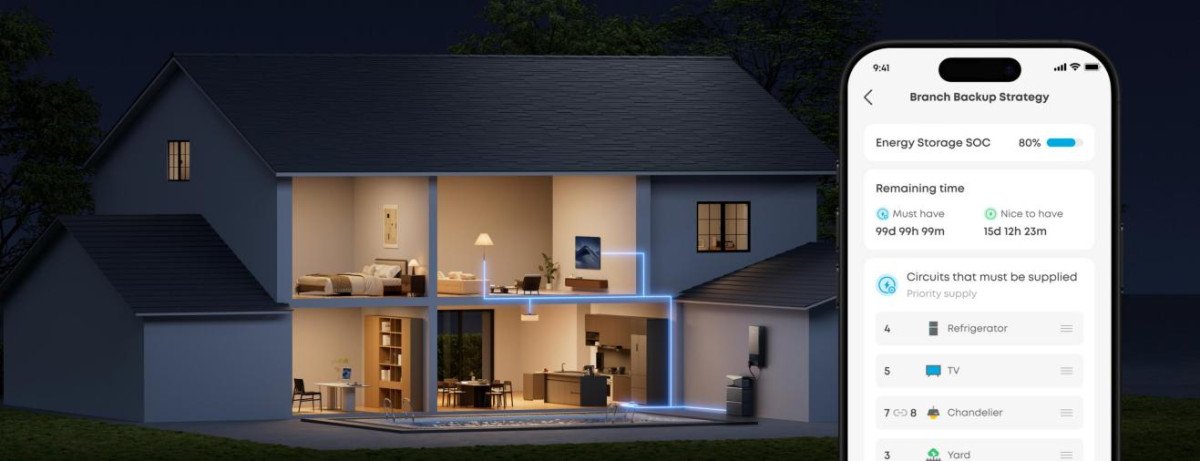
Modern whole house generator often connects to Wi‑Fi or cellular networks. Apps show real‑time data: load percentage, fuel use, runtime, and maintenance alerts. You can start or stop the generator remotely, schedule test runs, and adjust settings without walking outside. This data helps you see where your home wastes power during outages, so you can shift loads and reduce demand. Systems like Anker SOLIX E10 add even deeper insight by including solar production and battery status, making it easier to plan when the smart generator should run. Better information leads directly to better efficiency and longer backup coverage.
Automatic Idle Control and Load-Based Optimization
Automatic idle control lets the generator respond quickly to changing loads. When your home uses less power, the system automatically lowers engine speed or even pauses the generator if batteries can handle the load. When demand spikes, it ramps back up smoothly, preventing overloads. Load‑based optimization avoids running the engine at inefficient, low‑load conditions for long periods. In hybrid systems like the Anker SOLIX E10, the smart generator runs mainly during higher demand or low solar, then shuts down once batteries recharge. This strategy cuts noise, fuel use, and wear while still keeping lights, HVAC, and appliances running.
Advanced Load Management and Power Distribution
Efficient whole house backup power depends on smart load management. Generators now balance circuits, prioritize key systems, and use transfer switches to reduce waste and improve overall performance.
Intelligent Load Balancing Across Home Systems
Modern generators can team up with smart load management panels. These devices monitor which circuits draw the most power and decide which loads can run together. They might prioritize HVAC, refrigerators, medical equipment, and networking while delaying EV chargers or pool pumps. By shifting loads instead of oversizing the generator, homeowners save fuel and money. Systems that integrate solar and battery storage, like Anker SOLIX E10, balance even more sources. The smart generator only kicks in when solar and storage cannot meet demand. This coordinated approach keeps critical systems powered without wasting capacity on non‑essential loads.
Automatic Transfer Switch for Seamless Efficiency
An automatic transfer switch (ATS) senses grid failure and shifts your home to generator power without manual steps. Response time matters; systems like the Anker SOLIX E10 offer ≤20ms seamless switchover, which keeps computers, routers, and many electronics running without dropping. A fast ATS prevents appliances from restarting repeatedly, which reduces wear and extra startup surges. When the grid returns, the ATS reconnects smoothly and can signal the generator to shut down. This tight coordination avoids running the generator longer than necessary, saving fuel. It also improves comfort and safety because you never need to fumble with cords or breakers.
Conclusion
Modern whole house generators focus on doing more with less. Inverter technology cuts energy waste and protects sensitive electronics. Multi‑fuel capability and automatic switching help you use the most efficient fuel on hand. Smart monitoring, idle control, and advanced load management trim unnecessary runtime and keep key systems online. When you combine these features with solar and battery storage, as in setups like the Anker SOLIX E10 with its 9kW–27kW solar input and 4.5kW smart generator, you get up to 5× fuel efficiency, 5× backup time, and seamless ≤20ms switchover for reliable, efficient home backup power.