The construction industry is undergoing a profound transformation. For decades, building practices relied heavily on resource-intensive, high-carbon materials that contributed significantly to global environmental degradation. However, a growing awareness of climate change and a desire for healthier living spaces have sparked a revolution in how we design and construct our homes and commercial buildings, notes PMI Prime Property Bridgewater. At the forefront of this movement is the rapid adoption of sustainable building materials. These innovative products are designed to minimize environmental impact throughout their entire lifecycle—from extraction and manufacturing to installation and eventual disposal or recycling. By prioritizing sustainability, builders and homeowners are not only reducing their carbon footprint but also creating structures that are more energy-efficient, durable, and beneficial to human health.
Choosing sustainable building materials is no longer a niche, experimental endeavor; it is rapidly becoming the industry standard. Modern green materials offer performance characteristics that often meet or exceed those of their conventional counterparts. Whether it is utilizing rapidly renewable resources like bamboo, repurposing industrial waste into high-strength concrete, or harnessing the insulating properties of natural fibers, the options are vast and continually expanding. This guide explores the most impactful and practical sustainable building materials available today, providing homeowners and developers with the knowledge needed to make environmentally responsible and economically sound construction decisions.
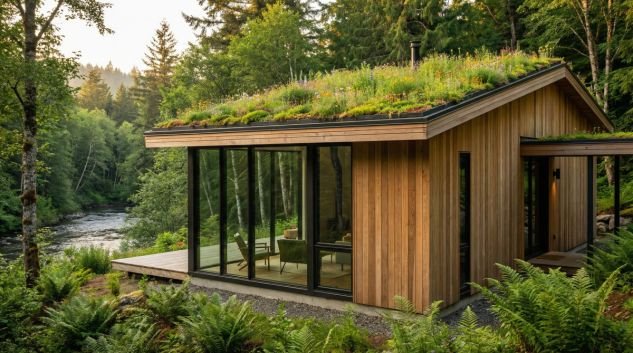
Rapidly Renewable Resources: Bamboo and Cork
Answer Capsule: Bamboo and cork are highly sought-after sustainable building materials because they are rapidly renewable. Unlike traditional hardwoods that take decades to mature, bamboo and cork can be harvested frequently without killing the plant, making them excellent choices for flooring and finishes.
When considering sustainable alternatives to traditional wood products, bamboo consistently ranks at the top of the list. Botanically a grass rather than a tree, bamboo exhibits an extraordinary growth rate. Some species can grow up to three feet in a single day, reaching full maturity and harvest readiness in just three to five years. This rapid regeneration cycle stands in stark contrast to traditional hardwoods like oak or maple, which can take anywhere from fifty to over a hundred years to mature. Despite its fast growth, engineered bamboo is incredibly durable. When properly processed, bamboo flooring and structural panels boast a tensile strength comparable to steel and a compressive strength higher than many mixtures of concrete. This combination of rapid renewability and high performance makes bamboo an ideal sustainable building material for flooring, cabinetry, and even structural elements.
Similarly, cork represents another highly sustainable, rapidly renewable resource. Cork is harvested from the bark of the cork oak tree, primarily found in the Mediterranean region. The harvesting process is entirely harmless to the tree; skilled workers carefully strip the outer bark, which then naturally regenerates over a period of nine to twelve years. A single cork oak can be harvested up to twenty times during its lifespan, which can exceed two hundred years. In construction, cork is highly valued for its unique cellular structure. It is naturally impermeable to moisture, resistant to rot and mold, and possesses excellent acoustic and thermal insulation properties. These characteristics make cork an outstanding choice for flooring, wall coverings, and as a natural, non-toxic insulation material within wall cavities.
Recycled and Reclaimed Materials
Answer Capsule: Utilizing recycled and reclaimed materials diverts waste from landfills and drastically reduces the energy required to manufacture new products. Reclaimed wood, recycled steel, and recycled glass countertops are prime examples of this circular economy approach to construction.
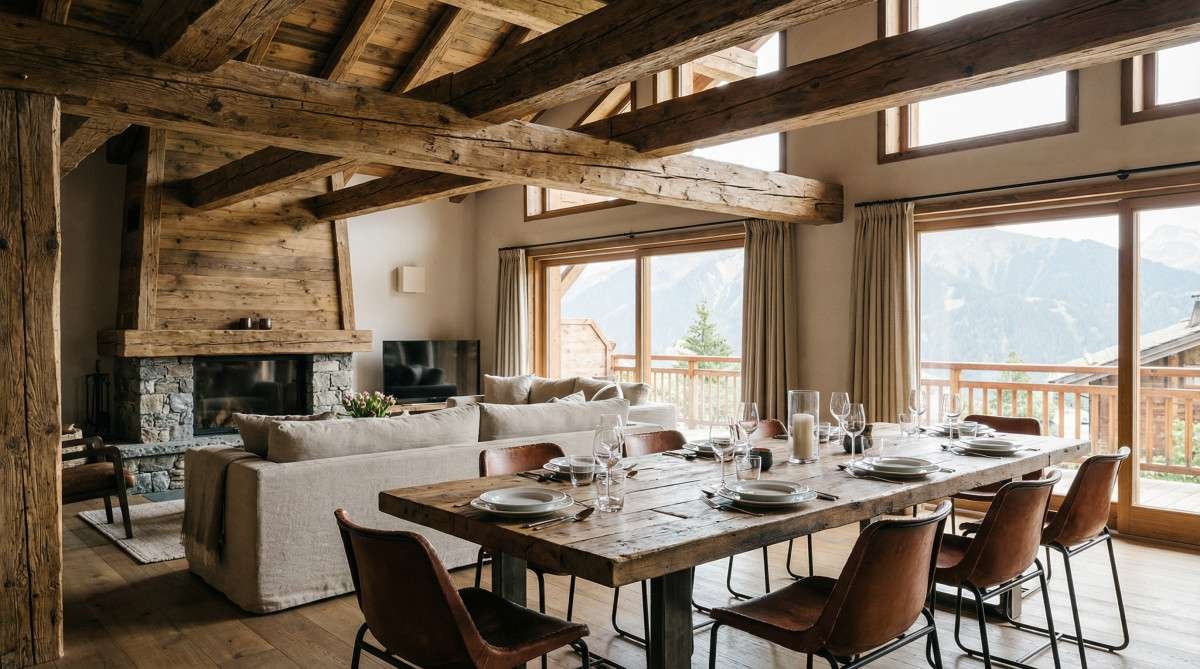
One of the core principles of sustainable construction is the concept of a circular economy—keeping resources in use for as long as possible. Reclaimed wood is a perfect embodiment of this philosophy. Salvaged from old barns, factories, and dismantled structures, reclaimed wood is repurposed into flooring, exposed beams, and custom furniture. Beyond its undeniable aesthetic appeal, which features unique patinas and historical character, reclaimed wood is often more stable than newly harvested lumber because it has been exposed to changes in humidity and temperature for decades. By choosing reclaimed wood, builders preserve living forests and prevent usable timber from being discarded or burned.
Metals, particularly steel and aluminum, are also highly conducive to recycling. The process of recycling steel requires significantly less energy than mining and smelting virgin iron ore. Furthermore, steel can be recycled indefinitely without any degradation in its structural integrity or performance. In modern sustainable construction, recycled steel is frequently used for framing, roofing, and exterior cladding. Similarly, recycled glass is increasingly being utilized in interior finishes. Post-consumer glass bottles and industrial glass waste are crushed and embedded in a resin or cement binder to create stunning, durable countertops and decorative tiles. These products not only divert significant volumes of glass from landfills but also offer a non-porous, low-maintenance surface that rivals the performance of natural stone.
Innovations in Concrete and Insulation
Answer Capsule: The manufacturing of traditional concrete is highly carbon-intensive, but new sustainable building materials like Ashcrete and Hempcrete offer low-carbon alternatives. Additionally, natural insulations like sheep’s wool provide superior thermal performance without toxic chemicals.
Traditional Portland cement, the primary binding agent in concrete, is responsible for a massive portion of global carbon dioxide emissions due to the extreme heat required during its manufacturing process. To address this, the industry has developed innovative, low-carbon alternatives. Ashcrete is one such material, which utilizes fly ash—a byproduct of coal combustion in power plants—to replace a significant percentage of the Portland cement. By repurposing this industrial waste, Ashcrete not only reduces the carbon footprint of the concrete but also decreases the volume of fly ash destined for landfills. Another fascinating development is Hempcrete, a biocomposite material made from the woody core of the hemp plant mixed with a lime-based binder. While not used for load-bearing structural elements, Hempcrete is an exceptional insulating material that is actually carbon-negative, meaning it absorbs more carbon dioxide during the hemp plant’s growth cycle than is emitted during its production.
Insulation is another critical area where sustainable building materials are making a significant impact. Traditional fiberglass and foam insulations often contain volatile organic compounds (VOCs) and require substantial energy to produce. Natural alternatives, such as sheep’s wool, are gaining traction. Sheep’s wool is entirely renewable, biodegradable, and naturally flame-resistant. It also possesses the unique ability to absorb and release moisture without losing its insulating properties, helping to regulate indoor humidity levels. Cellulose insulation, made from recycled newsprint treated with natural borates for fire and pest resistance, is another highly effective, low-embodied-energy option that prevents paper waste from decomposing in landfills and releasing methane.
Frequently Asked Questions
Are sustainable building materials more expensive?
While the upfront purchase price of some sustainable building materials can be slightly higher than conventional options, they often result in significant long-term savings. Materials that improve energy efficiency, such as advanced insulation or high-performance windows, drastically reduce monthly utility bills, quickly offsetting their initial cost.
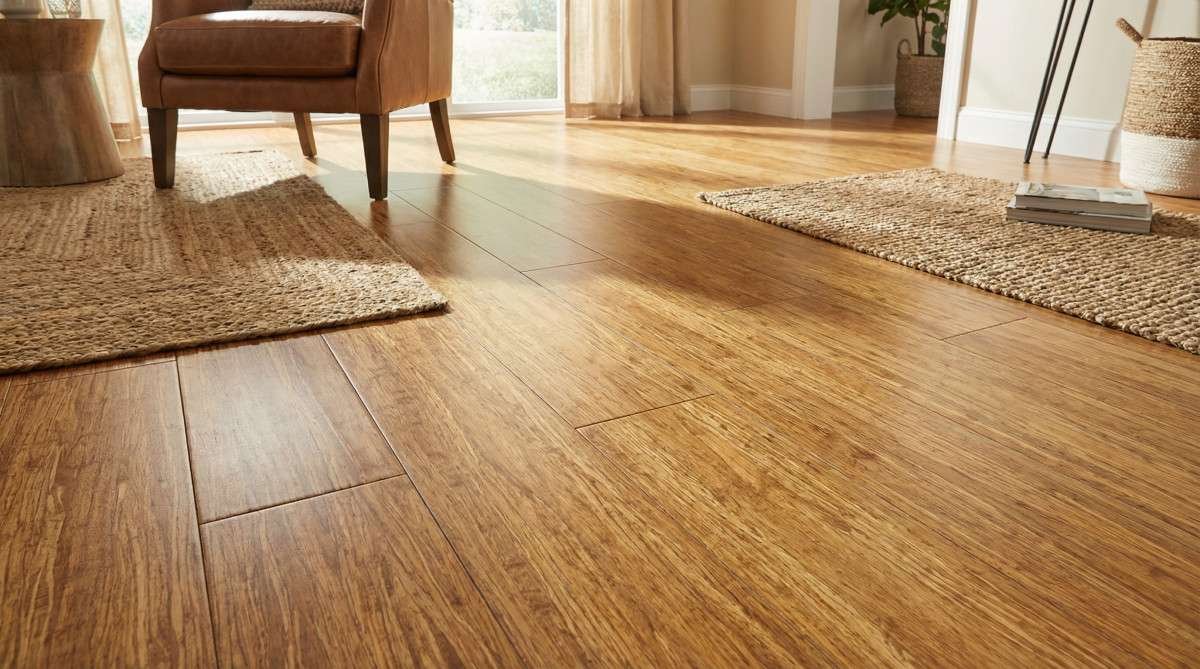
Is bamboo flooring durable enough for high-traffic areas?
Yes, strand-woven bamboo flooring is exceptionally durable and is often harder than traditional hardwoods like oak or hickory. The manufacturing process, which involves compressing bamboo fibers under extreme heat and pressure, creates a dense, resilient surface that is highly resistant to scratches and dents, making it ideal for busy households.
What is embodied energy in building materials?
Embodied energy refers to the total amount of energy consumed during the entire lifecycle of a material, including extraction, manufacturing, transportation, installation, and eventual disposal. Sustainable building materials typically have low embodied energy, meaning they require less fossil fuel consumption to produce and utilize.
Conclusion
Answer Capsule: The transition to sustainable building materials is essential for reducing the environmental impact of the construction industry. By choosing rapidly renewable resources, recycled products, and low-carbon alternatives, builders can create healthier, more efficient structures.
The integration of sustainable building materials into modern construction practices represents a critical step forward in our effort to mitigate climate change and preserve natural resources. The traditional model of extracting raw materials, using them once, and discarding them is no longer viable. As demonstrated by the rapid adoption of bamboo, reclaimed wood, and innovative concrete alternatives, the industry is proving that environmental responsibility does not require sacrificing performance, durability, or aesthetic appeal. In fact, many sustainable materials offer superior characteristics, such as the natural moisture resistance of cork or the exceptional strength-to-weight ratio of engineered bamboo.
Ultimately, the decision to utilize sustainable building materials is an investment in the future. For homeowners, it translates to healthier indoor air quality, reduced energy consumption, and a smaller carbon footprint. For the broader global community, it means less strain on virgin forests, reduced greenhouse gas emissions, and a significant decrease in construction waste. As technology continues to advance and these materials become even more accessible, sustainable construction will cease to be an alternative approach and will simply become the standard way we build.