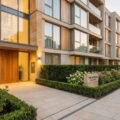
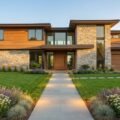
In the competitive landscape of multi-family real estate, first impressions are paramount. The exterior of a property is the initial point of contact for prospective renters and a daily experience for current residents. Professional landscaping transcends mere aesthetic enhancement; it is a strategic investment that directly impacts the financial performance and operational success of a community. By transforming outdoor areas into meticulously maintained, functional spaces, property managers can unlock significant long-term value.
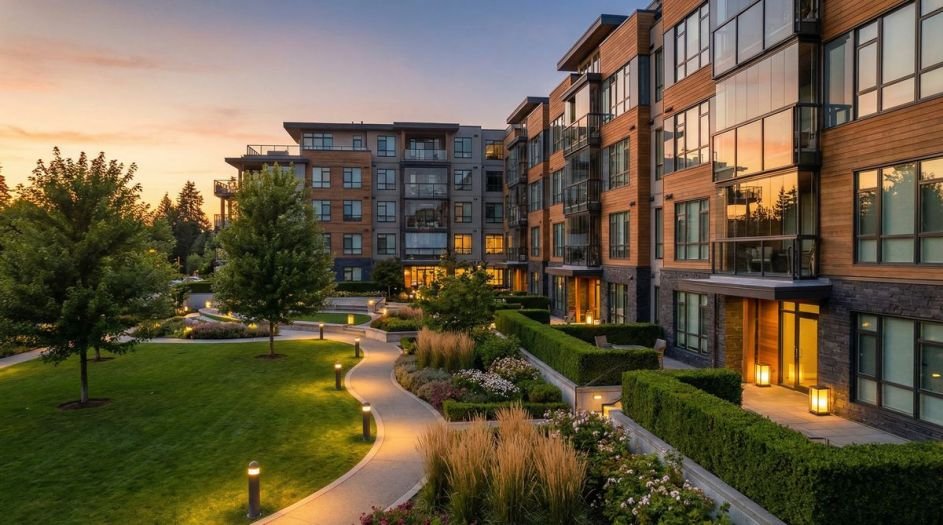
As the expectations of modern renters evolve, the demand for high-quality living environments extends beyond the interior walls of an apartment. Today’s residents seek communities that provide a sense of tranquility, connection to nature, and well-designed communal areas. Investing in professional landscaping services addresses these demands comprehensively, providing a robust return on investment while simultaneously elevating the overall quality of life within the property.
The Direct Financial Impact: ROI and Property Value
The financial rationale for professional landscaping is compelling. According to industry data from the American Society of Landscape Architects (ASLA), high-quality landscaping can enhance a property’s overall value by 15% to 20%. This substantial increase in valuation is a direct result of improved curb appeal, which makes the property more attractive to potential investors and appraisers alike.
Furthermore, well-landscaped communities command a premium in the rental market. Properties featuring mature trees, vibrant seasonal flora, and well-maintained hardscapes can often justify a 5% to 10% increase in rental rates compared to properties with basic or neglected exteriors. The return on investment (ROI) for comprehensive landscaping projects frequently ranges from 100% to 200%, making it one of the most cost-effective capital improvements a property owner can undertake. Properties with professional landscapes also lease up to 7% faster, significantly reducing costly vacancy periods.
Boosting Tenant Retention Through Enhanced Environments
Tenant retention is a critical metric for the profitability of any multi-family property. High turnover rates incur substantial costs associated with marketing, unit preparation, and lost revenue. Professional landscaping plays a pivotal role in fostering tenant loyalty by creating an environment where residents feel proud to live. Properties with attractive, well-maintained outdoor spaces consistently report up to 10% higher tenant satisfaction scores.
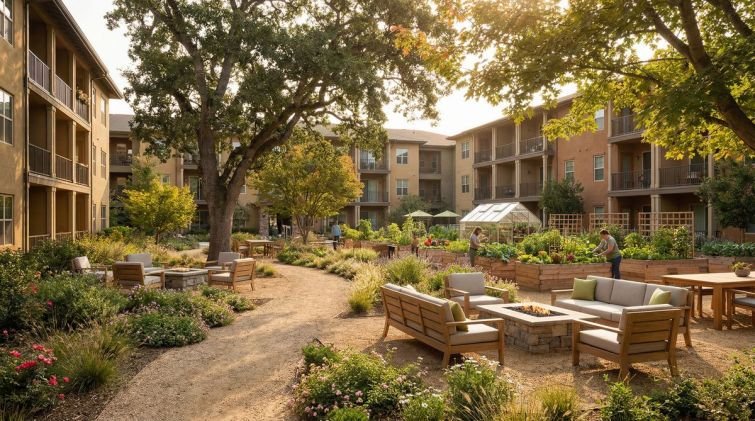
A professionally designed landscape creates functional communal areas—such as shaded seating zones, fire pits, or community gardens—that encourage social interaction and build a sense of community among residents. When tenants feel connected to their surroundings and their neighbors, their likelihood of renewing their lease increases dramatically. Furthermore, well-lit and meticulously maintained pathways enhance the perception of safety and security, which is a top priority for residents.
| Landscaping Strategy | Impact on Tenant Experience |
|---|---|
| Communal Seating Areas | Fosters social interaction and community bonding |
| Well-Lit Pathways | Enhances perceived safety and usability at night |
| Lush Greenery/Trees | Reduces stress and provides a connection to nature |
| Designated Pet Areas | Attracts and retains pet-owning demographics |
Sustainable Landscaping: Lowering Long-Term Costs
Modern professional landscaping is not just about visual appeal; it increasingly focuses on sustainability and resource efficiency. Implementing sustainable landscaping practices can significantly reduce long-term operational costs for multi-family communities. The integration of drought-tolerant native plants (xeriscaping) drastically reduces water consumption, leading to immediate savings on utility bills.
Additionally, the installation of smart irrigation systems equipped with weather sensors ensures that water is used only when necessary, eliminating waste. Professional landscapers also employ strategic tree placement to provide natural shade to buildings, which can lower cooling costs during the summer months. By prioritizing low-maintenance, sustainable designs, property managers can achieve a beautiful exterior while simultaneously optimizing their operating budget.

Frequently Asked Questions
What is the average ROI for commercial landscaping?
While returns vary based on the scope of the project and the market, comprehensive professional landscaping upgrades in multi-family communities typically yield an ROI of 100% to 200%, driven by increased property value and higher rental premiums.
How does landscaping affect property leasing speed?
Properties with exceptional curb appeal and professional landscaping generally lease faster than those without. Data indicates that well-maintained exteriors can accelerate the leasing process by approximately 7%, minimizing vacancy loss.
Can landscaping really reduce utility costs?
Yes. Implementing sustainable practices like xeriscaping with native, drought-tolerant plants and installing smart irrigation systems can significantly reduce water consumption. Furthermore, strategically planted shade trees can lower building cooling costs during hot weather.
Conclusion
The benefits of professional landscaping for multi-family communities extend far beyond a tidy lawn. It is a powerful driver of property value, a key factor in maximizing rental income, and a crucial element in tenant retention strategies. By partnering with professional landscaping services to create beautiful, sustainable, and functional outdoor environments, property owners and managers can secure a distinct competitive advantage and ensure the long-term prosperity of their investments.