The kitchen has long been celebrated as the heart of the home, but it is also consistently one of the most expensive and complex spaces to renovate. Recent industry surveys indicate that over half of homeowners plan to undertake some level of kitchen remodeling this year. With the median spend on major renovations for large kitchens now exceeding $72,000, the stakes for making the right design choices have never been higher. When investing such significant capital, chasing fleeting design fads is a financial risk. The most successful renovations are those that master the delicate balance between contemporary aesthetics and enduring functionality, notes Keyrenter Richmond Mechanicsville team.
Navigating the overwhelming sea of design inspiration requires a strategic approach. What looks striking on a social media mood board today might feel distinctly dated within a few short years. To ensure a renovation truly stands the test of time, homeowners must pivot away from micro-trends and focus instead on high-quality materials, adaptable layouts, and smart technological integrations that enhance daily living while protecting long-term property value.
The Shift to Warmth and “Transitional” Aesthetics
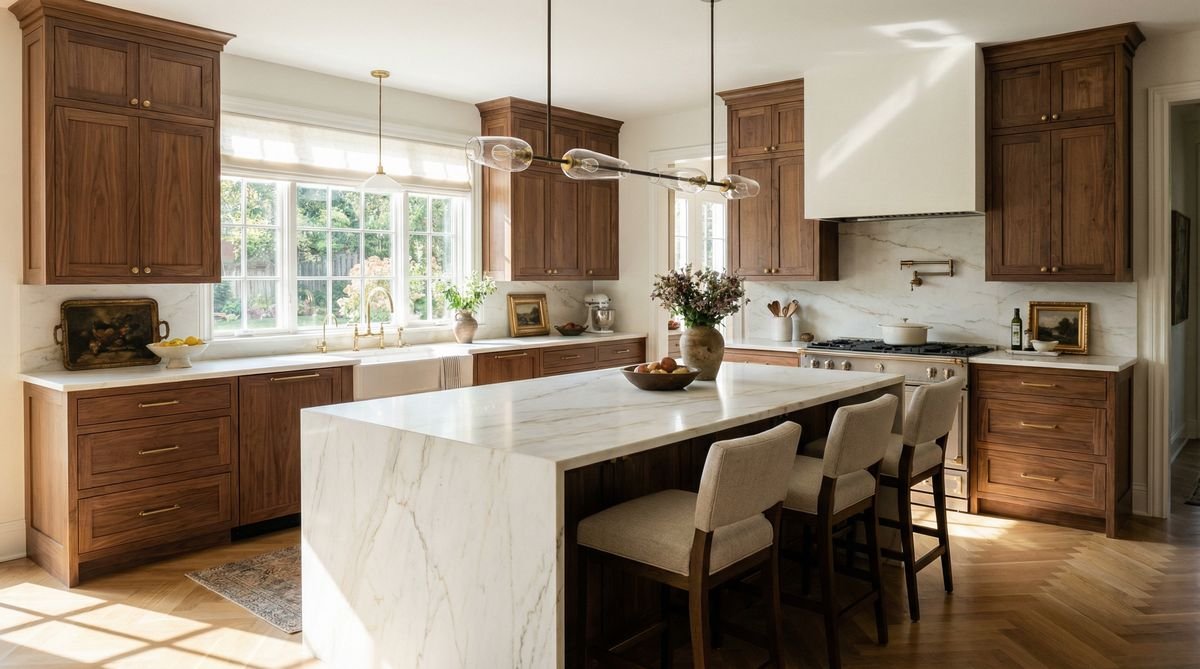
For the better part of a decade, the stark, all-white kitchen dominated the residential landscape. While clean and bright, this clinical approach is rapidly giving way to spaces that feel more inviting and lived-in. The prevailing direction for enduring design is the “transitional” style, which currently captures the preference of approximately 25% of renovating homeowners. This approach artfully blends the clean lines of modern design with the warmth and comfort of traditional elements.
A cornerstone of this timeless aesthetic is the resurgence of natural, textured materials. Rather than high-gloss painted finishes, designers are favoring rich wood grains like walnut or white oak for cabinetry. These materials age gracefully and bring an organic warmth that synthetic alternatives cannot replicate. Similarly, countertops are moving away from stark white quartz toward natural stones with subtle veining and honed, matte finishes, such as quartzite or soapstone. These choices not only offer superior durability but also possess a classic character that transcends passing color trends.
For homeowners trying to create that same warm and timeless feel, manufactured stone-style finishes can also be part of the overall material mix. Features like stone-look accents, statement walls, or detailed surrounds can help a kitchen feel more layered and timeless without moving too far from the overall aesthetic. In that case, some homeowners may choose to order cultured stone online when comparing finishes that add character while still working with a transitional kitchen style. Used in the right way, it can support the same inviting and grounded look that makes these kitchens feel current but not trend-driven.
Functionality Over Flash: The New Layout Priorities
An enduring kitchen is defined just as much by how it works as by how it looks. Modern lifestyles demand spaces that are incredibly hardworking and adaptable. The concept of the kitchen triangle remains relevant, but the focus has expanded to accommodate multiple cooks and diverse activities within the same footprint.
Adapting these classic design principles to modern needs ensures the workspace remains efficient even as lifestyles change. For many homeowners, the goal is to create a seamless flow that supports both daily meal preparation and social gatherings. In Florida, for instance, many are finding that a professional kitchen remodel in Gainesville by Seanote Construction can help modernize older layouts while maintaining the home’s original character. This thoughtful approach to spatial planning allows for better movement between zones, making the kitchen a more functional and enjoyable environment for everyone who uses it.
Expanding the layout to improve traffic flow is a major component of modern construction. Homeowners often find that their original kitchen design creates bottlenecks during meal preparation or social gatherings. Addressing these structural limitations involves evaluating how each zone connects to the next, from storage to cleaning. For those ready to modernize their space, a comprehensive kitchen remodel in Gainesville by Seanote Construction can help refine these movements by optimizing the floor plan for both daily use and long-term durability. By focusing on layout efficiency, the kitchen becomes more adaptable to different cooking styles and household needs, ensuring the renovation supports a seamless transition between various tasks.
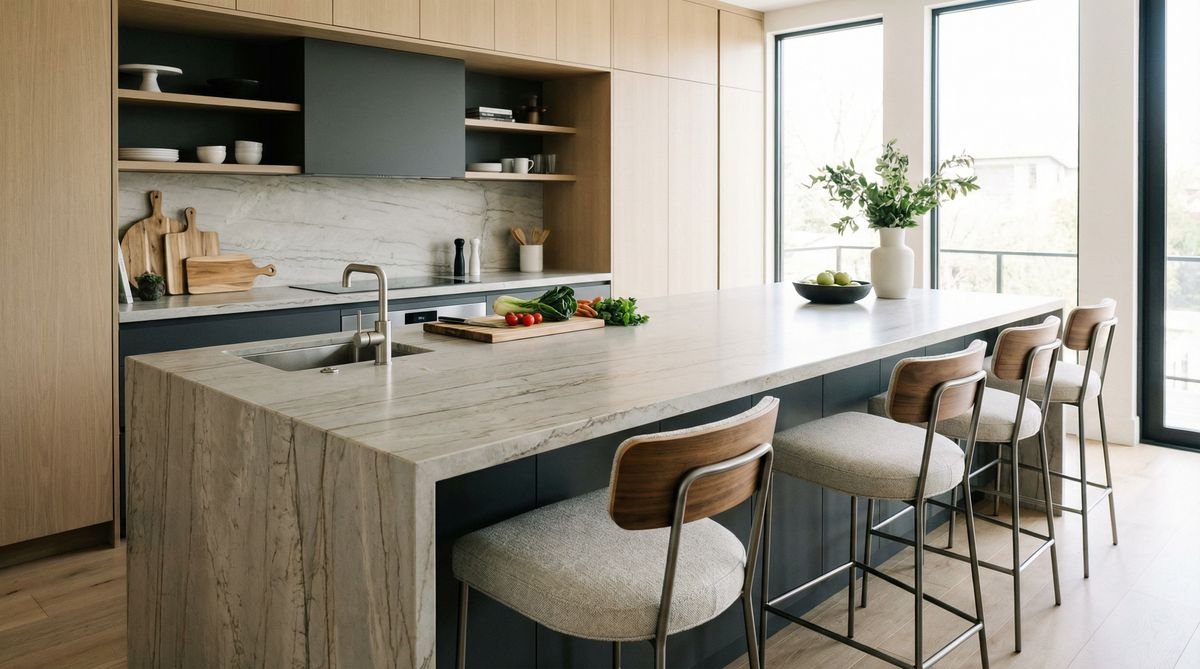
The multifunctional island has cemented its status as a non-negotiable feature in modern renovations. Beyond providing essential prep space, the contemporary island serves as a casual dining area, a homework station, and an entertaining hub. To maintain a clutter-free environment that feels timeless, there is also a strong emphasis on concealed storage. Features like walk-in pantries and dedicated “appliance garages” keep everyday items accessible yet hidden, preserving the kitchen’s clean architectural lines regardless of how heavily the space is used.
Fading Fads vs. Timeless Choices
Distinguishing between a passing fad and a lasting design element is crucial for protecting your investment. The following comparisons highlight where to pivot for longevity.
| Design Element | Fading Fad | Timeless Choice |
|---|---|---|
| Storage | Exclusively open shelving | Closed cabinetry with strategic glass accents |
| Backsplash | Busy, brightly colored geometric tiles | Classic subway tile or continuous stone slab |
| Hardware Finish | Trendy rose gold or bright brass | Unlacquered brass, polished nickel, or matte black |
| Cabinet Style | Ultra-glossy flat panels | Classic Shaker or slim-shaker profiles |
| Lighting | Oversized, novelty statement pendants | Understated, layered architectural lighting |
The ROI Equation: Where to Invest and Where to Save
A kitchen renovation should not only improve daily life but also yield a solid financial return upon resale. Current market data reveals a fascinating dynamic regarding Return on Investment (ROI). Surprisingly, minor kitchen remodels—focusing on cosmetic updates like cabinet refacing, new hardware, and fresh paint—often yield an impressive ROI of 70% to 80%. In contrast, major, upscale overhauls typically recover a lower percentage, hovering around 50% to 60% of the initial investment.
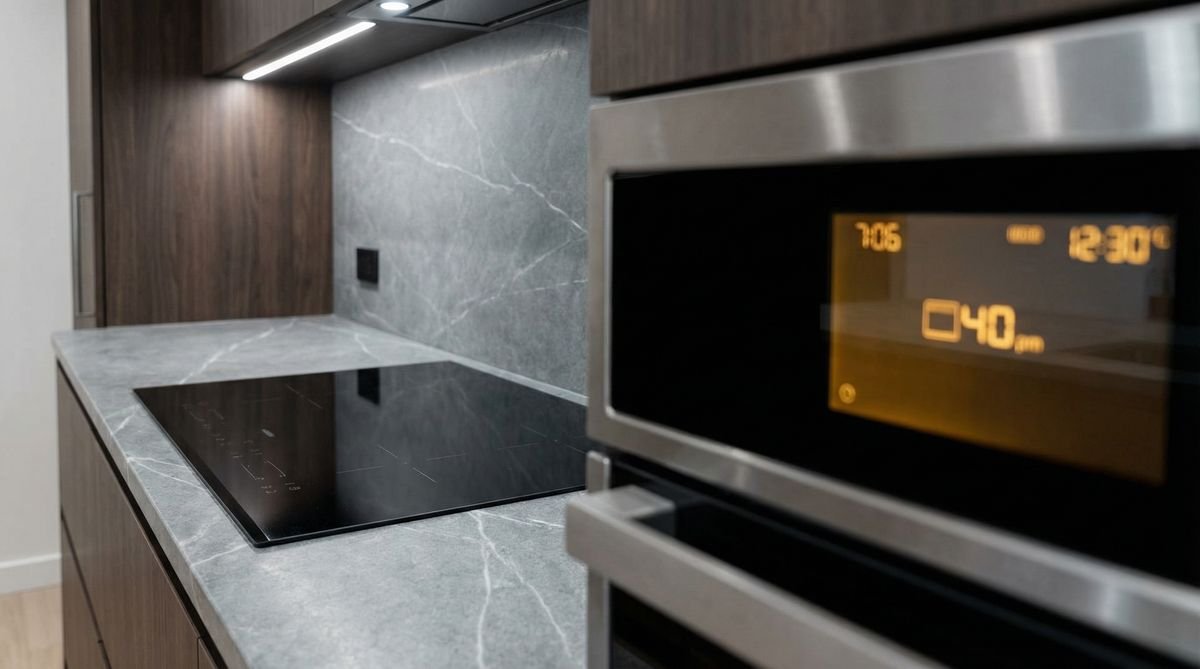
To maximize both longevity and financial return, the strategy should be to invest heavily in the foundational elements that are difficult and expensive to replace. Allocate the bulk of the budget to high-quality cabinet boxes, premium countertop materials, and professional-grade installation. Conversely, savings can be found in easily swappable elements like cabinet hardware, light fixtures, and wall colors. Furthermore, integrating smart kitchen technology—such as energy-efficient smart appliances or induction cooktops—has proven highly lucrative, often returning 85% to 95% of their cost by appealing to tech-savvy future buyers.
Frequently Asked Questions
What is the average ROI for a kitchen remodel?
The return on investment varies significantly based on the scale of the project. A minor, cosmetic kitchen remodel generally yields an ROI of 70% to 80%. Major, upscale renovations involving structural changes and luxury appliances typically see a lower recovery rate, averaging between 50% and 60%.
Are all-white kitchens going out of style?
While white kitchens will always retain a certain classic appeal, the stark, clinical all-white aesthetic is waning in popularity. The current trend strongly favors incorporating warmth through natural wood tones, earthy colors, and textured materials to create a more inviting atmosphere.
What is the most timeless kitchen cabinet color?
Soft, neutral tones remain the most enduring choices. Warm whites, soft creams, greiges (a blend of gray and beige), and natural wood finishes like medium oak or walnut consistently withstand the test of time, providing a versatile backdrop for changing decor.
Conclusion
Designing a kitchen that defies the rapid cycle of design trends requires a commitment to quality, functionality, and a restrained aesthetic. By embracing warm transitional styles, prioritizing hardworking layouts, and making strategic investments in durable materials, homeowners can create a space that remains beautiful, practical, and highly valuable for decades to come.