In the contemporary urban real estate market, the integration of the Internet of Things (IoT) has transitioned from a futuristic concept to a fundamental driver of modern apartment living. As the demand for more secure and efficient ways to manage residential properties grows, IoT—encompassing everything from smart thermostats and security cameras to integrated lighting and energy management—is redefining how apartment complexes are designed and operated. For property owners and investors, understanding the transformative power of IoT is essential for maximizing return on investment (ROI) and ensuring long-term success. This article explores the most significant ways that IoT is revolutionizing urban living, focusing on the role of connectivity, efficiency, and the evolving expectations of modern tenants.
The Shift Toward Connected Urban Living
The primary objective of implementing IoT in apartment complexes is to improve the quality of the resident experience while simultaneously reducing the time and cost of property management. In a traditional apartment model, many tasks are manual and reactive, leading to inefficiencies and missed opportunities. IoT, on the other hand, uses a network of sensors and devices to connect and monitor every step of the building’s operations, providing a level of efficiency and security that traditional methods cannot match.
| IoT Integration Feature | Primary Benefit | Impact on Urban Living |
| Smart Thermostats | Provides precise and efficient climate control | High (increased comfort) |
| Security Cameras | Monitors common areas and entryways | High (improved safety) |
| Integrated Lighting | Enhances comfort and energy efficiency | High (sustainability) |
| Energy Management | Optimizes building performance and savings | Moderate to High (efficiency) |
By prioritizing IoT integration solutions, property owners and investors can ensure their assets remain relevant in an increasingly digital world.
Smart Thermostats and Digital Efficiency
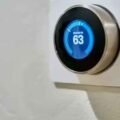
One of the most significant benefits of IoT in apartment complexes is smart thermostats. These devices use advanced technology to provide a more precise and efficient way to manage heating and cooling, which can lead to substantial savings on monthly utility bills. Smart thermostats also allow residents to control their home’s temperature from anywhere in the world using a smartphone or tablet, providing a level of convenience and comfort that traditional methods cannot match.
“IoT is not just about technology; it is about connectivity. By providing a more precise and efficient way to manage apartment complexes, IoT can significantly improve the overall financial performance of real estate assets.”
For potential tenants, the prospect of a connected and efficient living environment is a powerful incentive. A property that can demonstrate a history of IoT integration is often appraised at a premium. Furthermore, the integration of security cameras and integrated lighting can further enhance these savings, creating a cohesive building ecosystem that adds tangible value to the asset.
Security Cameras and Resident Peace of Mind
Security cameras are another key feature of IoT in apartment complexes. They provide a comprehensive approach to building safety, using a network of sensors and cameras to monitor common areas and entryways. This allows property managers to respond more quickly and effectively to potential incidents, reducing the risk of property damage and injury.
By prioritizing security camera solutions, property owners and managers can ensure their buildings are protected and that their residents have peace of mind. This can lead to increased resident satisfaction and retention, as well as a more positive and memorable living experience.
Integrated Lighting and Energy Management
Integrated lighting is a critical component of any IoT-based apartment complex. It allows for the connection of a large number of lighting devices to a single network, enabling a more comprehensive and efficient approach to building management. Integrated lighting also improves the efficiency of building operations by providing real-time data on energy consumption and potential savings.
Energy management is another important aspect of IoT in apartment complexes. It involves using a range of sensors and devices to monitor and optimize building performance, leading to reduced energy consumption and a smaller environmental footprint. By prioritizing energy management solutions, property owners can protect their investment and ensure long-term value retention.
The Evolution of IoT Technology in Real Estate
IoT technology is constantly evolving, with new features and capabilities being added all the time. Some modern IoT systems offer advanced monitoring and control, providing detailed information on building performance and potential risks. Others offer integration with other smart home devices, such as smart thermostats and smart security systems, to create a more cohesive and efficient building process.
As the demand for IoT in apartment complexes continues to grow, these solutions will remain a key driver of innovation and success. They provide a simple and effective way for property owners and investors to improve their connectivity and efficiency and reduce their management costs.
Conclusion: IoT as a Strategic Urban Living Tool
In conclusion, the integration of IoT is a powerful tool for revolutionizing urban living in the real estate industry. By focusing on smart thermostats, security cameras, integrated lighting, and energy management, property owners and investors can significantly improve the efficiency and security of their apartment complexes. These IoT solutions not only provide immediate practical benefits but also enhance the long-term value and marketability of the property. As the real estate market continues to evolve, IoT will remain a critical factor in determining the success and sustainability of modern properties. Investing in IoT is a strategic decision that pays off in the long run through improved building performance and reduced costs.