For many people living in modern cities, space is no longer the biggest challenge — how that space is used is.
A living room might need to function as a workspace during the day, a place to relax in the evening, and even a sleeping area at night. Dining tables double as desks, and bedrooms are no longer used only for rest. In smaller apartments, every square foot is expected to do more.
This shift has created a clear problem: traditional home design, built around fixed rooms and single-purpose furniture, no longer fits how people actually live. As a result, more homeowners are turning to convertible furniture as a practical way to adapt their spaces without expanding them.
Today, the focus is not on having more space, but on making existing space work harder — and more intelligently — throughout the day.
The Shift in How We Live Today
In many modern homes, especially smaller apartments, space is expected to serve multiple purposes throughout the day.
A dining table may become a work desk during the day and a place for meals in the evening. A living room may double as a guest bedroom at night. Instead of having separate rooms for each activity, people are now relying on the same space to do more.
This shift is largely driven by remote work and urban living, where space is limited but daily needs are expanding.
The Problem with Traditional Home Design
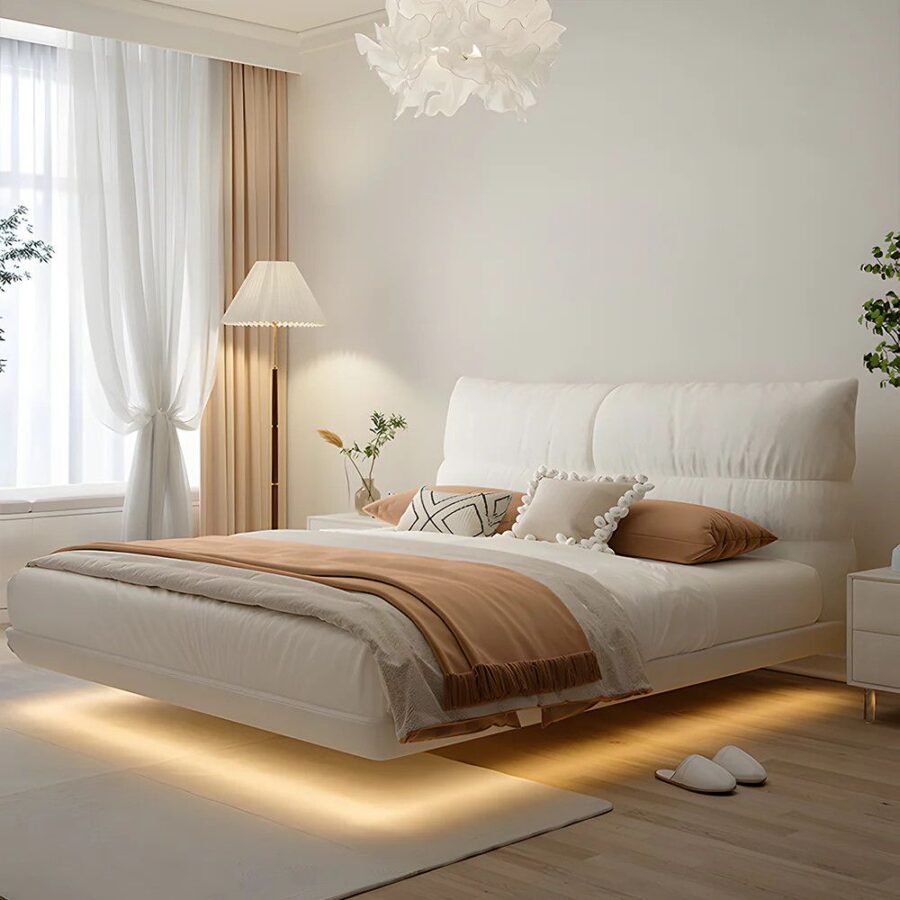
Most homes and furniture are still designed for a single purpose. A sofa is made for sitting. A bed is made for sleeping. A dining table is made for eating. But in smaller spaces, this approach quickly becomes inefficient.
Common problems include:
– Large furniture that takes up space but serves only one function
– Lack of storage, leading to clutter
– Difficulty switching between work, rest, and social activities
– Rooms that feel crowded but still don’t meet daily needs
As a result, space is used up without actually supporting how people live today.
This is where adaptability becomes practical—not just a concept, but a design approach. Instead of relying on fixed layouts and single-purpose furniture, modern homes increasingly depend on solutions that can change with daily needs. In practice, this shift is driven by furniture that can transform, combine functions, or optimize space without adding clutter.
How Convertible and Adaptive Furniture Solves the Problem
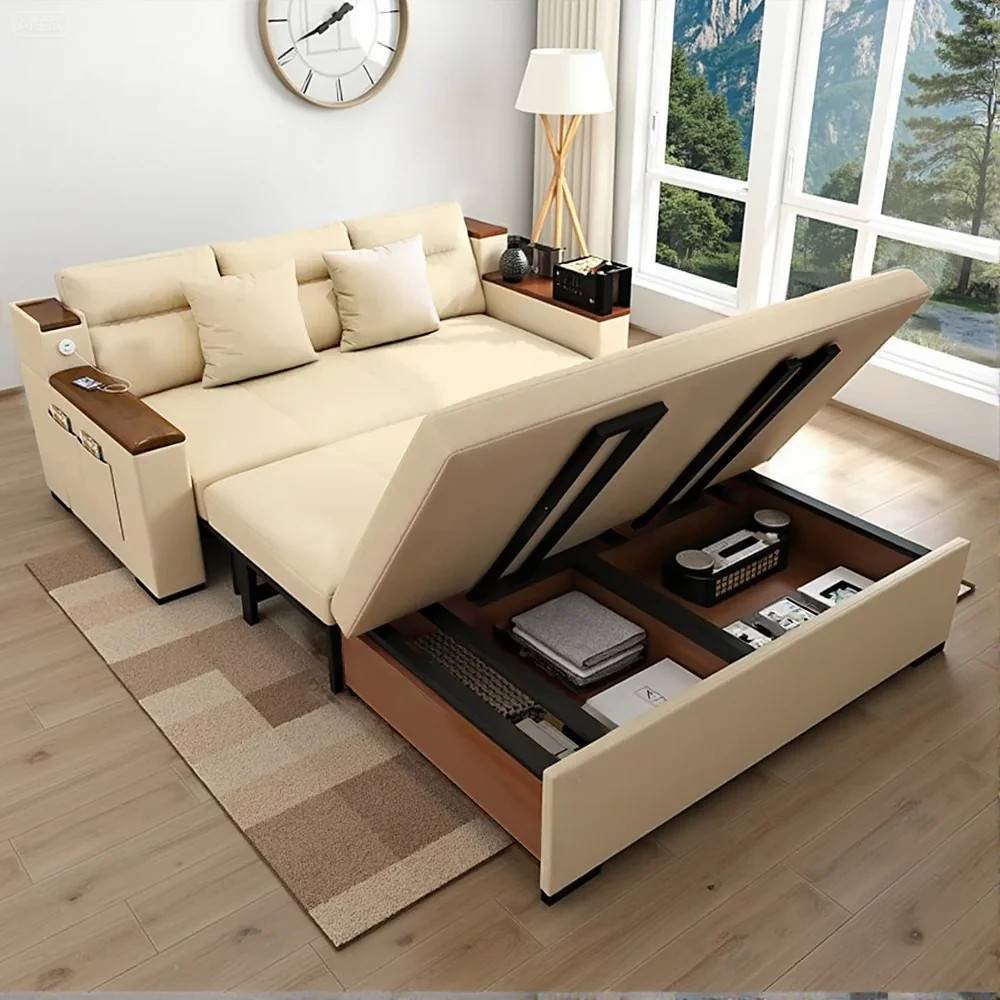
The solution lies in reimagining how furniture interacts with space. Instead of occupying space, it should enhance its usability. This is where convertible furniture becomes essential.
Living Rooms That Transform Instantly
In smaller homes, the living room often needs to serve multiple roles — from a place to relax to a sleeping area for guests.
A sofa bed solves this by allowing the same space to function as both a seating area during the day and a bed at night. This eliminates the need for a separate guest room, which is especially valuable in compact apartments.
When choosing a sofa bed, look for designs with strong support and high-density cushioning, especially if it will be used frequently for sleeping.
Dining Spaces That Double as Workstations
With more people working from home, dining areas are often used as workspaces during the day.
A multifunctional or extendable dining table allows the same surface to support different activities — from work to meals — without requiring additional space.
The key is flexibility: a well-designed table should be easy to adjust and large enough to accommodate both tasks comfortably.
Smart Storage Without Sacrificing Space
Storage is one of the biggest challenges in small homes, where adding more furniture often makes the space feel more crowded.
Integrated storage solutions — such as coffee tables or TV stands with built-in compartments — help solve this problem without increasing the overall footprint.
These designs allow you to store everyday items within existing furniture, keeping the space organized while maintaining a clean, uncluttered look.
Balancing Comfort and Functionality
While adaptability is important, comfort should not be compromised. Well-designed multifunctional furniture combines flexibility with proper support and usability. For example, a sofa bed should not only convert easily but also provide sufficient support for both sitting and sleeping. This balance is what makes adaptable furniture truly practical for everyday use.
Traditional Furniture vs Adaptive Living Solutions
| Aspect | Traditional Furniture | Adaptive Furniture |
| Function | Single-purpose | Multi-purpose |
| Space Usage | Fixed | Optimized |
| Flexibility | Static | Dynamic |
| Efficiency | Limited | High |
| Suitability | Large homes | Compact modern spaces |
A Real-Life Example of Adaptive Living
Consider a compact apartment where a single room evolves throughout the day. In the morning, it functions as a workspace. By evening, it becomes a dining area. At night, it transforms into a sleeping space.
This is the essence of a multifunctional living space, where each element contributes to flexibility rather than limitation.
The most valuable furniture today is not defined by what it is, but by what it can become.
A Subtle Shift Toward Smarter Living
With increased importance being placed on adaptability, some furniture brands are slowly responding by designing items that would suit this type of lifestyle. Instead of developing items for specific uses, the products being created have a high degree of flexibility and versatility.
One such furniture brand taking part in this change is Arrtle. This particular design strategy involves incorporating functionality within every piece of furniture, unlike the previous strategy, which made it an add-on feature.
Adaptive furniture and transformable furniture are among the solutions being provided.
Designing Homes That Evolve with You
Home design in the coming years isn’t going to mean filling our homes up with more furniture, nor is it going to involve creating larger spaces. The homes of tomorrow are all about maximizing what we already have.
To create a space that works, one that is both adaptable and capable of supporting changing lifestyles, there needs to be a change in approach.
A flexible home design is no longer a nice-to-have – it’s the only way to live in the 21st century.
Going forward, the homes that succeed won’t be the biggest or most costly ones. They’ll be the homes that adapt the quickest.