When the heat cuts out on a cold night, it’s stressful and tempting to try everything you can to get the system running again. A little know-how goes a long way here. With a few safe checks, you may be able to restore heat quickly or at least understand what’s going wrong. This guide explains the most common furnace symptoms, simple steps homeowners can take without risking damage or safety, clear red flags that mean you should shut the system down, and how to decide between repairing and replacing an older unit. You’ll also learn what to expect during a professional visit and how to prevent repeat breakdowns.
Start With the Basics: Symptoms and Simple, Safe Checks
Pay attention to the pattern of the problem. Is your furnace not starting at all, short cycling, turning on and off quickly, blowing cool air, or making unusual noises? Start with the thermostat: confirm it’s set to Heat, the temperature is higher than room temperature, and any “Hold” or schedule settings aren’t overriding your command. Replace thermostat batteries if present. Next, check the furnace’s power switch; it often looks like a light switch on or near the unit, and verify the breaker hasn’t tripped. If you have a gas furnace, make sure the gas supply valve to the appliance is open.
If the system runs but airflow is weak, or the house never reaches the set temperature, a clogged filter is a frequent culprit. Replace disposable filters or clean reusable ones following the manufacturer’s directions. Also ensure supply and return vents are unobstructed by furniture, rugs, or dust buildup. If these quick checks don’t resolve the issue or if you’re not comfortable proceeding, schedule a Furnace repair service to prevent small problems from turning into larger, costlier failures.
Safety First: When to Shut It Down and Call Immediately
Some furnace symptoms aren’t just inconvenient. They’re potential hazards. Turn the system off and seek professional help right away if you notice the smell of gas, often described as rotten eggs; soot around the furnace or vents; signs of scorching or melted wiring; banging or screeching sounds that start suddenly; or a furnace that keeps tripping the breaker. Install and regularly test carbon monoxide CO detectors on each level of your home and especially near sleeping areas. If a CO alarm sounds, leave the home and contact emergency services before calling a technician. Do not attempt to relight pilots or open panels if you suspect a fuel or combustion issue.
Even when symptoms seem minor, avoid risky DIY tasks. Don’t disassemble combustion components, bypass safety switches, or attempt gas line work. If your furnace has a standing pilot light that won’t stay lit, or an electronic ignition that fails repeatedly, the fix may involve sensors, valves, or control boards best left to trained professionals. Likewise, persistent overheating, unusual odours, or water pooling around a high-efficiency furnace’s condensate drain are all reasons to stop the system and get professional attention.
Repair or Replace? How to Think Through the Decision
Deciding whether to repair an older furnace or invest in a new one comes down to a few practical questions. Consider age first. Many furnaces last 15 to 20 years with good maintenance, though individual lifespans vary. If your unit is approaching the end of its expected service life and needs a major repair, replacement may make more sense. Weigh the frequency and cost of recent breakdowns, too. A steady stream of repairs, especially during peak heating months, is a sign the system is losing reliability.
Comfort and efficiency are part of the equation. If rooms heat unevenly, the system short-cycles, or energy bills have climbed without another explanation, your furnace may be underperforming. Compare the cost of a significant repair to the value of improved comfort, potentially lower utility bills with a newer, more efficient model, and the peace of mind a new warranty can bring. On the other hand, if your furnace is relatively young and the repair is straightforward, like a faulty igniter or capacitor, a targeted fix is often the most sensible path.
What a Professional Diagnostic Visit Typically Includes
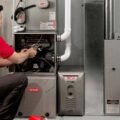
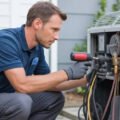
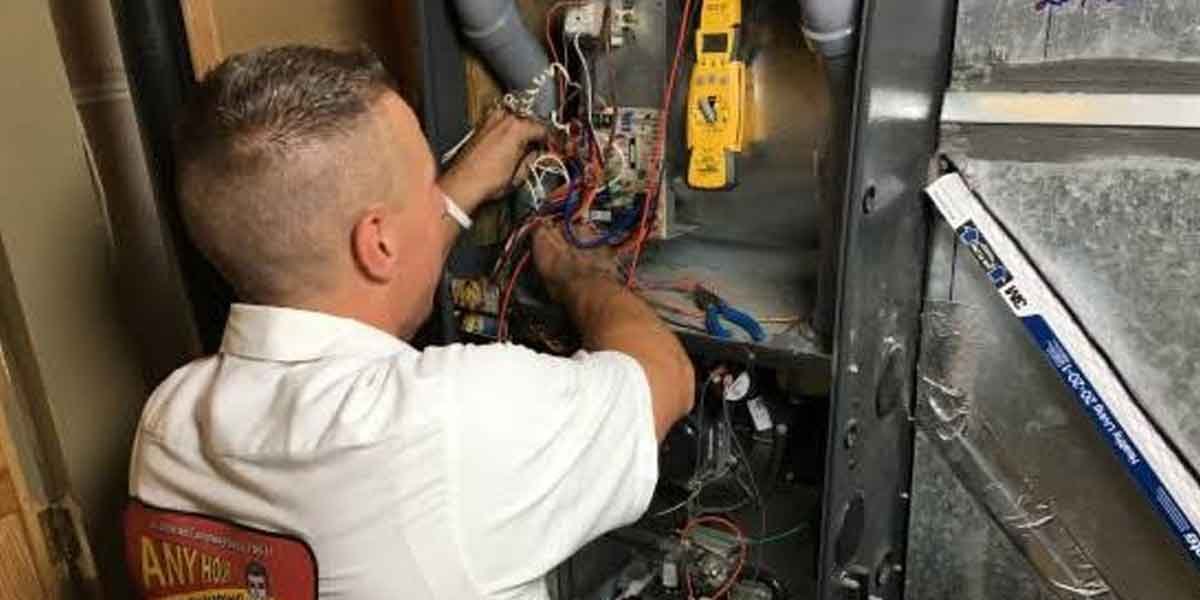
A quality diagnostic visit aims to find the root cause, not just the symptom. Expect a technician to verify problem codes (on models with diagnostic LEDs), inspect the thermostat and low-voltage wiring, and test safety controls such as limit switches and pressure switches. They’ll typically evaluate airflow, filter, blower wheel condition, and duct restrictions, check electrical connections and voltage, and examine ignition components and flame characteristics. On condensing furnaces, they may also inspect the condensate drain and trap for blockages.
Good preparation makes the visit more efficient. Clear a path to the furnace and the nearby electrical panel, note any error messages or flashing light patterns, and jot down when the symptoms occur- only at night, during high wind, after filter changes, etc. Have the furnace’s model and serial number handy if possible. This helps with parts compatibility. If anyone in the home has sensitivities or health concerns, mention them so the technician can plan their work accordingly. After the assessment, you should receive an explanation of findings and repair options so you can make an informed choice.
Preventive Steps to Reduce Breakdowns and Improve Comfort
Consistency is your friend. Replace or clean furnace filters on a regular cadence, often every one to three months during heavy heating, depending on filter type and household conditions. Keep supply and return vents open and clear to maintain proper airflow. Around the furnace, remove stored items that could restrict air movement or create fire risks, and ensure the area stays dry. For high-efficiency units, check that the outdoor intake and exhaust pipes are free of snow, leaves, and debris. Inside, lightly vacuum dust from accessible, non-electrical furnace areas and surrounding floor registers.
Annual professional maintenance before heating season helps catch developing issues early. During a tune-up, a technician can clean components, verify safety controls, lubricate moving parts where applicable, and check for wear that could lead to mid-winter failures. Beyond the mechanicals, pay attention to the house itself. Proper insulation, weatherstripping, and sealed ductwork reduce furnace strain and help rooms heat evenly. If you track unusual noises, odours, or performance dips as soon as they appear, you’ll be better positioned to restore reliable heat quickly and safely, with confidence about when a DIY check is enough and when it’s time to call in a pro.