Accidentally flooding your bathroom can happen fast, whether a toilet overflows, a bathtub is left running, or a pipe suddenly breaks. The important thing is not to panic, because taking the right steps right away can help limit water damage and keep the problem from getting worse. Here’s what to do when you accidentally flood your bathroom and when it may be time to call a professional.
1. Stop the Source of the Water
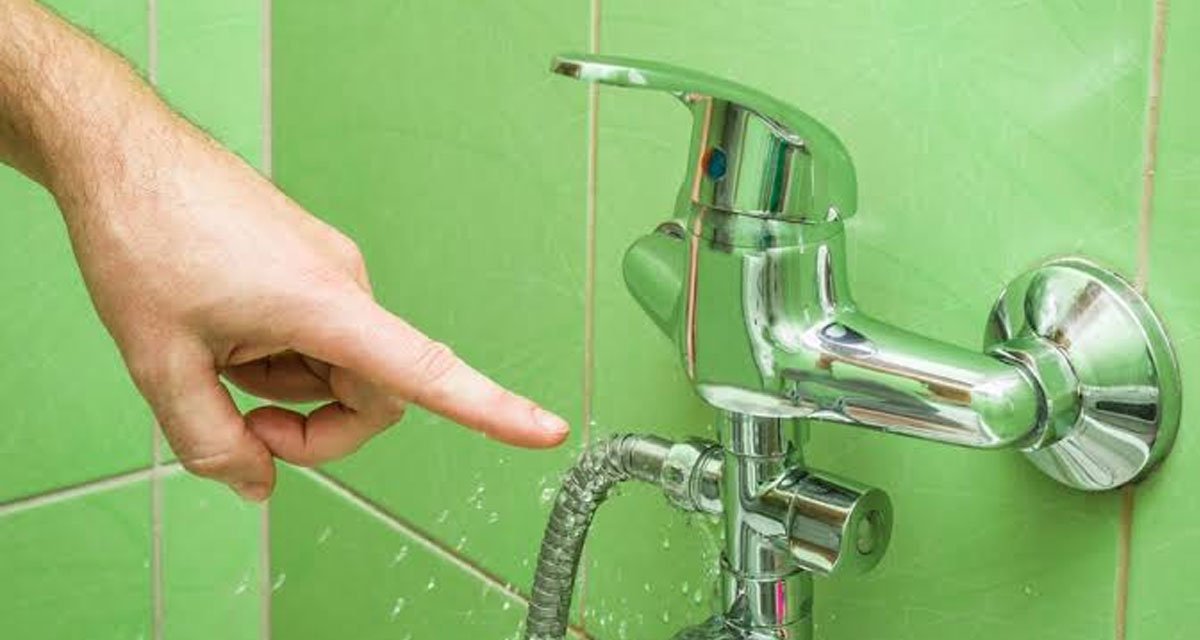
First, stop the water from flowing as soon as you can. If the toilet is overflowing, turn off the valve behind or near the toilet, while a sink or bathtub may have its own shut-off valve. For a broken pipe or serious plumbing problem, you may need to turn off the home’s main water supply and contact a plumber.
Once the water is stopped, take a quick look around the bathroom to see where the water has traveled. Don’t spend too much time cleaning before checking for safety hazards, especially if water has reached outlets, switches, or electrical appliances. If you aren’t sure whether it’s safe, stay out of the water and have a qualified professional handle the electrical issue.
2. Remove Standing Water Quickly
After the water source is under control, remove as much standing water as possible. For a small amount of clean water, you can use towels, a mop, or a wet/dry vacuum that’s designed to safely collect water. Never use a regular household vacuum to suck up standing water, as it can create a serious electrical hazard.
Move quickly, but don’t put yourself at risk just to save a floor or piece of furniture. Remove rugs, towels, bathroom mats, and other items that are sitting in water, then place them somewhere they can dry. The sooner you remove excess water, the less time it has to soak into flooring, cabinets, drywall, and other materials.
3. Dry the Bathroom Thoroughly
Removing visible water is only part of the cleanup. Use fans, open windows when conditions allow, and run a dehumidifier to help pull moisture from the air and affected materials. Keep the bathroom ventilated until surfaces are completely dry, because trapped moisture can cause problems even after the floor looks dry.
Pay close attention to areas where water may have collected underneath or behind materials. Check around the toilet, bathtub, shower, vanity, baseboards, and flooring for damp spots, swelling, or discoloration. If materials remain wet for an extended period, professional structural drying may be needed to prevent further damage.
4. Check for Hidden Water Damage
Water doesn’t always stay where you can see it. It can seep underneath flooring, behind walls, into cabinets, and around the base of a toilet, especially when a bathroom has been flooded with a large amount of water. Look for soft flooring, bubbling surfaces, stains, warped materials, peeling paint, or a musty smell.
Don’t ignore small signs just because the bathroom looks mostly normal. Hidden moisture can continue damaging building materials and may create conditions that allow mold to grow. If you suspect water has gotten underneath the flooring or inside the walls, a water damage professional can check the affected areas and determine how much drying is needed.
5. Clean and Disinfect the Area
Once standing water is removed, clean hard surfaces that were affected by the flood. You can use appropriate household cleaners and disinfectants on surfaces such as tile, countertops, and other washable materials. Follow the product directions carefully, and never mix cleaning chemicals because some combinations can release dangerous fumes.
Extra care is needed if the flood involved toilet water or sewage. Contaminated water can contain harmful bacteria and other contaminants, so avoid direct contact and keep children and pets away from the area. In this situation, professional sewage cleanup is usually the safer choice.
6. Watch for Mold Growth
A flooded bathroom can become a good place for mold to grow if moisture isn’t removed completely. Mold can develop on or around damp drywall, wood, flooring, cabinets, and other materials, sometimes within a relatively short time. Watch for musty odors, dark spots, discoloration, or visible mold after the flood.
The best way to reduce the risk is to control moisture and dry the bathroom thoroughly. Don’t simply cover a stain with paint or cleaner if you suspect moisture is still trapped behind it. If you find widespread mold or can’t determine where the moisture is coming from, consider contacting a professional for an inspection and proper cleanup.
7. Document the Damage
Before throwing away damaged belongings or materials, take photos and videos of the affected areas when it’s safe to do so. Document damaged flooring, drywall, cabinets, furniture, and personal belongings, and keep receipts for reasonable cleanup expenses. These records may be helpful if you decide to file a homeowners insurance claim.
It’s also a good idea to contact your insurance provider if the damage appears significant. Coverage can depend on what caused the flooding and the terms of your policy, so don’t assume that every bathroom flood will be covered. Your insurer can explain your options and let you know what documentation they need.
When Should You Call a Water Damage Restoration Company?
You may be able to handle a small amount of clean water yourself, but bigger problems can require professional help. Call a water damage restoration expert if there’s extensive standing water, soaked drywall or flooring, hidden moisture, contaminated water, or damage that you can’t safely dry on your own. A professional team can remove remaining water, dry affected materials, and check for damage that isn’t obvious at first.
If you need professional help, Spartan Restoration Inc. can assist with water extraction, structural drying, and water damage restoration. Getting help early can make the cleanup easier and may reduce the risk of more expensive repairs later. Honestly, when water has spread beyond the bathroom itself, it’s better to have the damage checked sooner rather than later.
How to Prevent Another Bathroom Flood
You can prevent many bathroom floods by keeping an eye on your plumbing. Check toilet supply lines, faucets, visible pipes, and other fixtures for leaks, corrosion, or signs of wear, and don’t ignore a small leak just because it seems harmless. Most importantly, make sure everyone in the home knows where the water shut-off valves are and how to use them.
A bathroom flood can be stressful, but quick action can make a big difference. Stop the water, stay safe around electrical hazards, remove standing water, and dry everything thoroughly. If the damage is extensive or water has reached hidden areas, getting professional water damage restoration help can protect your home from longer-term problems.
Conclusion
Accidentally flooding your bathroom can feel overwhelming, but acting quickly can help keep the damage under control. Stop the water, remove standing water, dry the affected areas, and watch for hidden moisture or mold. If the flooding is extensive or you can’t safely dry the bathroom yourself, don’t hesitate to call a professional water damage restoration company for help.