If you have ever winced while sipping a hot cup of coffee or felt a sharp, fleeting sting after enjoying a scoop of ice cream, you are certainly not alone. Tooth sensitivity, clinically known as dentin hypersensitivity, affects millions of people globally. This uncomfortable condition can transform simple daily habits, like eating your favorite meals or drinking a refreshing beverage, into frustrating challenges.
Fortunately, managing dental discomfort often begins with making a few simple, intentional changes to your daily oral hygiene routine. By understanding why sensitivity happens and implementing dentist-approved strategies, you can protect your smile and return to enjoying the foods and drinks you love.
Understanding the Roots of Sensitivity
To effectively manage tooth sensitivity, it helps to understand the underlying anatomy of your teeth. Our teeth are naturally protected by a hard outer layer called enamel. Beneath this protective shield lies the dentin, a softer layer that contains microscopic tubules leading directly to the tooth’s internal nerves.
When your enamel wears down or your gum line recedes, these microscopic tubules become exposed to the elements. External stimuli—such as extreme temperature changes, highly sweet treats, or acidic foods—can travel directly through these open pathways. Once they reach the nerves, they trigger a sudden, sharp pain signal to the brain. Common culprits behind this exposure include aggressive brushing habits, chronic teeth grinding, acid erosion from your diet, or early-stage gum disease.
Switch to a Desensitizing Toothpaste
One of the easiest and most effective first steps you can take is upgrading your toothpaste. When browsing the dental aisle, bypass standard formulas and look closely at the active ingredients. Specialized sensitivity toothpastes utilize specific components to provide relief:
- Potassium Nitrate:This is a gold-standard desensitizing agent that works by calming the nerves inside your teeth, effectively blocking pain signals from reaching your brain.
- Stannous Fluoride:This versatile ingredient strengthens your existing enamel while creating a physical, microscopic barrier over the exposed dentin tubules to block external stimuli.
While some products offer rapid relief, keep in mind that many sensitivity formulas require several days or even a few weeks of consistent, twice-daily use to reach full effectiveness.
Revamp Your Brushing Habits
Using the wrong tools or applying excessive force can severely exacerbate enamel wear and irritate sensitive gum tissue. To protect your teeth, immediately switch to a toothbrush featuring soft or extra-soft bristles. Densely packed, ultra-soft bristles are incredibly gentle on both enamel and gums while remaining highly effective at removing plaque and debris.
Additionally, evaluate your brushing technique. Avoid aggressive, sawing motions back and forth across your teeth. Instead, practice gentle pressure and use light, circular motions. If you struggle to control your hand pressure, consider investing in a high-quality electric toothbrush equipped with a built-in pressure sensor that alerts you when you are brushing too hard.
Adjust Your Daily Diet
What you eat and drink plays a massive role in the longevity of your tooth enamel. Highly acidic foods and beverages—such as citrus fruits, tomatoes, sodas, and sports drinks—can chemically erode enamel over time, leaving your dentin vulnerable.
Try to limit your consumption of these acidic items. When you do indulge, avoid brushing your teeth immediately afterward, as the acid temporarily softens your enamel, making it more susceptible to friction wear. Instead, rinse your mouth thoroughly with plain water to help neutralize the acids naturally.
When to Seek Professional Advice
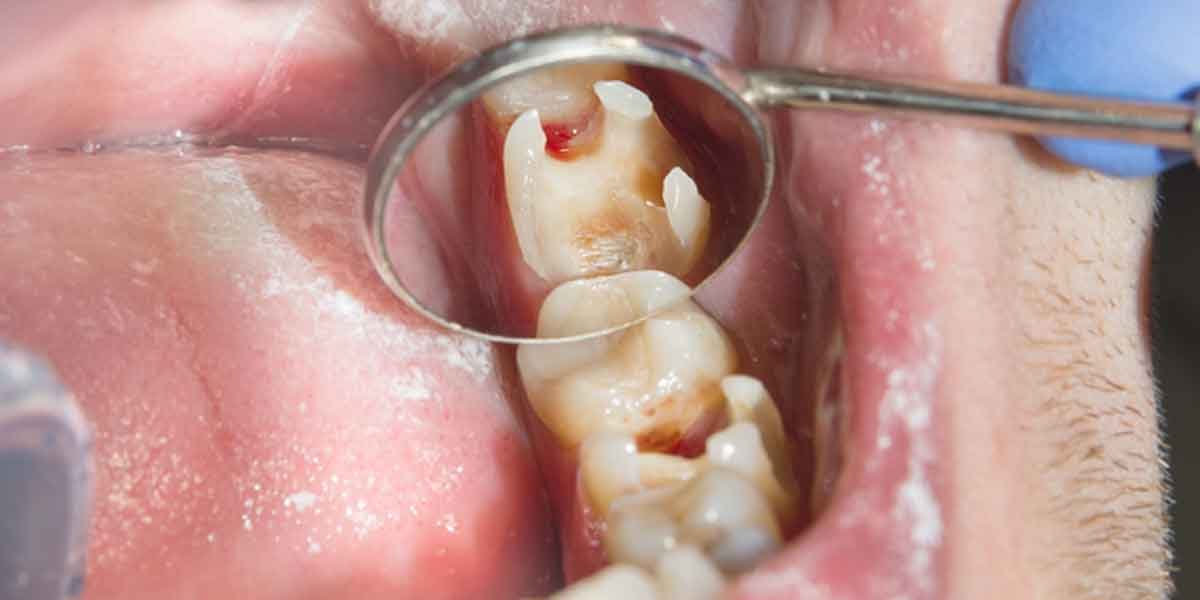
While adjusting your at-home care routine can alleviate mild discomfort, home remedies are not a substitute for professional dental care. Persistent, severe, or worsening pain could indicate a deeper underlying issue that requires targeted clinical treatment, such as a fractured tooth, a deep cavity, or advancing periodontal disease.
If you live in or near the Matanuska-Susitna Valley, scheduling an evaluation with a trusted family dentist in Wasilla is the best way to identify the exact cause of your discomfort. A professional can offer advanced clinical options, such as fluoride varnishes, dentin sealants, or custom nightguards for teeth grinding, to ensure your smile remains healthy and pain-free long into the future.