Wisdom teeth are the third and final set of molars to erupt. When there is not enough space in the jaw, they become impacted or grow in at an angle; this can affect nearby teeth and surrounding tissues. In some cases, wisdom teeth removal helps prevent crowding, damage to adjacent teeth, and other complications. Here are a few ways wisdom teeth affect oral health:
Crowding and Misalignment
When space in the jaw is limited, wisdom teeth exert force on adjacent teeth, altering their positions and contact points. Teeth shift, tilt, or rotate during eruption, and these changes affect how the upper and lower teeth meet. Malocclusion develops when the bite no longer aligns evenly. Misalignment disrupts chewing function; this contributes to gum irritation, uneven tooth wear, and strain on the jaw.
Crowding reduces access for cleaning at the back of the mouth, which increases plaque accumulation. Limited space also directs wisdom teeth into angled positions or prevents full eruption. In some cases, third molars remain partially erupted or fully impacted beneath the gumline. These conditions place pressure on surrounding structures and disrupt normal eruption pathways.
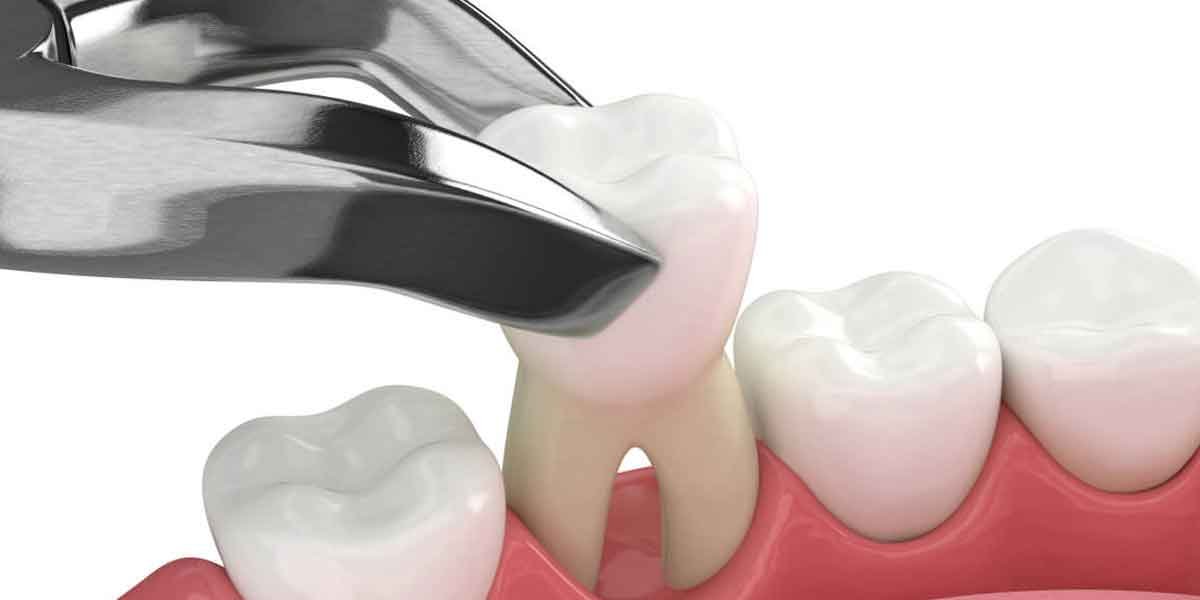
Dentists evaluate wisdom teeth using X-rays when positioning or symptoms indicate a concern. Impacted third molars often require surgical extraction. Monitoring eruption patterns allows for early identification of alignment changes and related complications; their removal also prevents the progression of these issues.
Gum and Jawbone Damage
Wisdom teeth affect the surrounding gum tissue when eruption does not occur normally. Impacted third molars remain trapped beneath the gums and create pressure in the jaw. That pressure irritates adjacent soft tissue and produces persistent discomfort. Partially erupted wisdom teeth expose part of the tooth while the rest remains covered by gum tissue. This structure makes cleaning difficult, and food debris and bacteria accumulate around the partially exposed area. Wisdom teeth removal resolves the underlying pressure and reduces the conditions that lead to tissue irritation.
Impaction and Infection
Impacted wisdom teeth create spaces where food debris and bacteria accumulate, especially when the tooth is partially erupted or remains under the gumline. These conditions support bacterial growth around the crown and along the gum margin. As hygiene becomes more difficult in these areas, inflammation develops in the surrounding tissue.
Bacterial buildup around third molars leads to localized gum infection. Infection progresses when bacteria remain trapped, and it sometimes spreads into deeper soft tissue, forming an abscess. Angled or partially erupted wisdom teeth can also trap debris against neighboring molars, which increases the bacterial load in the back of the mouth. Management focuses on treating active infections and addressing the underlying cause when impaction continues or infection recurs. Extraction removes the space where bacteria collect and may help reduce the likelihood of repeated infection in the same area.
Chewing Pressure and Bite Force
Wisdom teeth sit at the back of the dental arch; chewing forces naturally extend farther posteriorly when they are present and functional. Chewing on molars alone places repeated load on the rear teeth, and that load is not always distributed evenly across both sides of the mouth. One side may take on more force during chewing than the other, which alters balance in how the bite is used over time. Gum sensitivity may also affect bite distribution.
Uneven distribution of chewing force changes contact patterns between upper and lower molars. Repeated high-pressure contact during chewing also increases mechanical wear on tooth surfaces. Hard or dense foods concentrate force on specific teeth, which intensifies this effect.
When third molars are removed, chewing force is redistributed across the remaining molars. This adjustment allows more consistent contact between teeth during biting and grinding motions. Chewing function then relies on a more even pattern of force across both sides of the mouth.
Seek Wisdom Teeth Removal Services
Removing third molars eliminates a source of pressure that contributes to crowding, infection risk, and bite interference in a patient’s mouth. It also reduces the likelihood of repeated inflammation in hard-to-clean areas at the back of the mouth. An oral surgeon evaluates imaging, determines whether extraction is appropriate, and performs the procedure with controlled surgical technique under appropriate anesthesia. Recovery instructions are provided to support proper healing and minimize complications after surgery. Schedule a consultation with an oral surgeon today to discuss treatment options.