The journey to homeownership for veterans and active-duty service members is uniquely supported by the Department of Veterans Affairs, yet navigating the va home loan inspection checklist remains one of the most misunderstood phases of the process. Unlike conventional financing, which often leaves property condition to the buyer’s discretion, the VA loan program enforces specific Minimum Property Requirements (MPRs) to ensure that every dwelling is safe, structurally sound, and sanitary. These standards are not designed to be hurdles, but rather safeguards that protect the veteran’s long-term financial health and physical safety by preventing the purchase of a “money pit.”
Understanding the nuances of the va home loan inspection checklist is essential for both buyers and sellers in the 2026 real estate market. While many people use the terms “appraisal” and “inspection” interchangeably, they serve distinct roles in the VA loan pipeline. The appraisal is a mandatory assessment conducted by a VA-assigned professional to verify that the home meets federal MPRs and to determine its fair market value. In contrast, a private home inspection is a voluntary, more granular evaluation that digs into the specific mechanical and structural details that might not trigger an MPR failure but could still impact the buyer’s future maintenance costs.
This guide provides a comprehensive breakdown of the current va home loan inspection checklist, covering everything from foundation stability to the presence of wood-destroying insects. By mastering these requirements early in the house-hunting process, veterans can identify potential “deal-breakers” before spending money on an appraisal. Whether you are looking at a modern condo or a historic farmhouse, these standards ensure that your new home provides the security and comfort you earned through your service.
The Core Pillars of VA Minimum Property Requirements (MPRs)
VA Minimum Property Requirements (MPRs) are the baseline standards used to ensure a property is safe, structurally sound, and sanitary for veteran occupancy. Unlike a standard home inspection, the VA appraisal focuses on the property’s overall habitability and long-term marketability rather than every minor cosmetic flaw or maintenance item.
The Department of Veterans Affairs operates on a “Safe, Sound, and Sanitary” mantra that guides every decision made during the appraisal process. This standard is designed to protect the veteran’s investment and the government’s interest in the property by ensuring that the home is move-in ready and free of major defects. According to the U.S. Department of Veterans Affairs (2024), MPRs are not meant to be a laundry list of minor repairs but rather a high-level assessment of whether the home is a safe and healthy environment for a family. The VA appraiser is tasked with evaluating these core pillars to confirm that the property meets the minimum standards for federal loan backing.
Structural Integrity and Safety Standards
Structural integrity is the first and most critical pillar of the va home loan inspection checklist. This includes a thorough examination of the home’s foundation, framing, and roofing systems to ensure they are free of significant defects. The VA requires that the roof has a remaining life expectancy of at least two to three years and is free of leaks or major damage. Additionally, the attic and crawl spaces must be accessible and properly vented to prevent moisture buildup, which can lead to mold or wood rot. Any signs of significant settlement, such as large cracks in the foundation or sagging floors, must be addressed by a licensed contractor before the loan can proceed.
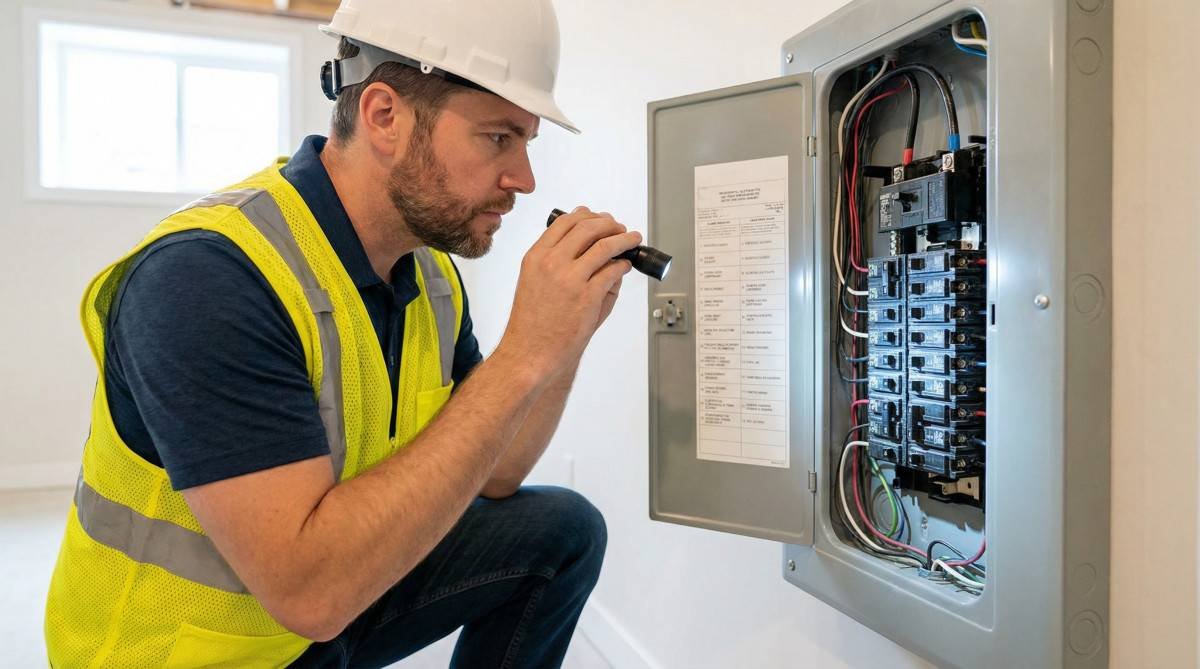
Safety standards also extend to the home’s mechanical systems, including electrical and heating. Every home must have a permanent heating system capable of maintaining a temperature of at least 50 degrees Fahrenheit in all areas with plumbing. The electrical system must be safe, properly grounded, and sufficient for the home’s size and needs. Any exposed wiring or outdated systems that pose a fire hazard will result in an MPR failure. According to the Veterans Benefits Administration (2025), safety is the primary concern, and any condition that threatens the physical well-being of the occupants must be corrected.
Sanitation and Utility Functionality
Sanitation is the second pillar, focusing on the home’s ability to provide a healthy living environment. This requires a continuous and potable water supply for drinking, bathing, and other hygienic needs. The property must also have a safe and functional sewage disposal system, whether it is a public sewer or a private septic tank. If the home uses a private well, the water must be tested and meet local health authority standards for safety. Any signs of contamination or inadequate drainage that leads to standing water near the foundation will be flagged as an MPR violation.
Utility functionality ensures that the home is fully operational and ready for immediate occupancy. This includes functional plumbing with both hot and cold running water, as well as working kitchen and bathroom facilities. The VA does not require specific luxury appliances, but the basic systems necessary for daily living must be in good working order. According to the National Association of Realtors (2024), properties that lack basic utilities or have non-functional sanitation systems are generally ineligible for VA financing until the issues are resolved. These requirements ensure that veterans are not burdened with major utility repairs immediately after moving into their new home.
Essential VA Home Loan Inspection Checklist for 2026
The 2026 VA home loan inspection checklist requires that all primary systems—including HVAC, electrical, and plumbing—are in good working order and that the property is free of hazards like lead-based paint or wood-destroying insects. Modern updates also emphasize proper drainage and year-round accessibility from public or private roads to ensure long-term property value.
The 2026 VA home loan inspection checklist is a detailed set of standards that every property must meet to be eligible for a VA loan. These requirements are updated periodically to reflect modern building codes and the changing needs of veterans and their families. The checklist covers both the interior and exterior of the home, with a focus on safety, soundness, and sanitation. According to the Veterans Benefits Administration (2025), every property must be move-in ready and free of any major defects that could impact its value or the safety of its occupants. This includes a thorough evaluation of the home’s structure, mechanical systems, and overall condition.
The table below provides a comparison between the mandatory VA repairs that must be addressed before the loan can close and the recommended home inspection items that are important for the buyer’s awareness but may not trigger an MPR failure.
| Feature | Mandatory VA Repair (MPR) | Recommended Inspection Item |
|---|---|---|
| Roofing | Leaks, missing shingles, or < 2 years life | Minor wear, granule loss, or moss growth |
| Electrical | Exposed wiring, frayed lines, or fire hazards | Outdated outlets (non-GFCI), or older panels |
| Heating | Non-functional or unsafe heating systems | Efficiency ratings or older but working units |
| Plumbing | Leaks, non-potable water, or sewage issues | Slow drains or minor dripping faucets |
| Paint | Chipping/peeling lead-based paint (pre-1978) | Cosmetic scuffs or modern peeling paint |
| Pests | Active termite infestation or dry rot | Previous treatment evidence or minor damage |
| Structure | Significant foundation cracks or instability | Hairline settlement cracks or uneven floors |
Exterior and Grounds Requirements
The exterior of the home and the surrounding grounds are a critical part of the va home loan inspection checklist. This includes a thorough evaluation of the property’s drainage, access, and potential encroachments. The VA requires that all surface water must drain away from the foundation and not form any pools or standing water near the house. This is essential for preventing foundation damage and moisture-related issues like mold or rot. According to the U.S. Department of Housing and Urban Development (2024), proper drainage is one of the most important factors in maintaining a home’s structural integrity and long-term value.
Accessibility is another key requirement for VA financing. Every property must be accessible year-round by foot or vehicle using a public or private road in all weather conditions. If the home is accessed via a private road, there must be a recorded permanent easement or right-of-way in place. Additionally, the VA appraiser must report any encroachments, such as a neighbor’s fence or garage that extends over the property line. These issues must be resolved before the loan can be approved to ensure that the veteran has clear and undisputed ownership of the property.
Interior and System Requirements
Inside the home, the va home loan inspection checklist focuses on the safety and functionality of all major systems. One of the most common MPR failures is the presence of chipping or peeling paint in homes built before 1978, which may contain lead-based paint. The VA requires that all such paint be scraped, primed, and repainted to prevent lead poisoning. Additionally, the home must have adequate living space, including facilities for sleeping, cooking, dining, and maintaining hygiene. Every unit on the property must have its own bathroom and kitchen facilities to meet the VA’s minimum standards for occupancy.
The home’s mechanical systems, including plumbing, electrical, and HVAC, must also be in good working order. The VA requires that every home has a permanent heating system and a safe and functional electrical system. Any signs of significant pest damage, such as termites or wood-destroying insects, must be addressed and treated by a licensed professional. According to the National Association of Realtors (2024), these interior requirements are designed to ensure that veterans are not faced with major repair costs immediately after purchasing their new home. By following the va home loan inspection checklist, veterans can be confident that their new home is a safe and sound investment for their family.
VA Appraisal vs. Home Inspection: Why You Need Both
While the VA appraisal is mandatory to confirm the property meets Minimum Property Requirements, a private home inspection is a voluntary but critical step for uncovering hidden defects. The appraisal ensures the home is a safe investment for the lender, whereas the inspection provides a granular look at the roof, foundation, and systems for the buyer’s peace of mind.
The distinction between a VA appraisal and a home inspection is one of the most important concepts for any veteran using the va home loan inspection checklist. While both processes involve a professional evaluating the property, their goals and methods are fundamentally different. The VA appraisal is a requirement for every VA loan and is conducted by an independent appraiser who is assigned by the VA. Their primary focus is to determine the property’s fair market value and to ensure it meets the VA’s Minimum Property Requirements (MPRs). This process is designed to protect the lender’s investment and the government’s interest in the property by confirming that it is safe, sound, and sanitary.
In contrast, a home inspection is a voluntary but highly recommended step that is conducted by a licensed home inspector hired by the buyer. Unlike the appraiser, who only looks for major MPR violations, a home inspector provides a comprehensive and detailed evaluation of the entire property. This includes a thorough examination of the roof, foundation, plumbing, electrical systems, and HVAC to identify any potential issues, even if they don’t trigger an MPR failure. According to the Consumer Financial Protection Bureau (2023), home inspections can reveal issues that appraisals might overlook, saving buyers thousands in future repairs. By having both an appraisal and an inspection, veterans can have a complete picture of the property’s condition before committing to the purchase.
The risk of skipping a home inspection can be significant, especially in older homes or properties with complex systems. While the va home loan inspection checklist is a great baseline for safety, it is not an exhaustive list of every potential defect. For example, an appraiser might note that the HVAC system is working, but a home inspector might find that it is nearing the end of its life and will need replacement soon. According to the National Association of Realtors (2024), the cost of a home inspection, which typically ranges from $300 to $500, is a small price to pay for the peace of mind it provides. Veterans should always include a home inspection contingency in their purchase agreement to ensure they have the option to walk away or negotiate repairs if significant issues are found.
Ultimately, the VA appraisal and the home inspection work together to provide a multi-layered layer of protection for the veteran buyer. The appraisal ensures that the home is a safe and sound investment that meets federal standards, while the inspection provides a detailed look at the property’s specific mechanical and structural details. By understanding the roles of both professionals, veterans can make an informed decision and avoid any costly surprises after they move into their new home. Following the va home loan inspection checklist and hiring a qualified home inspector are the two best ways to ensure a successful and stress-free homebuying experience.
How to Handle the Notice of Value (NOV) Repairs
Upon completion of the appraisal, the VA issues a Notice of Value (NOV) which may list required repairs to meet MPR standards. Veterans should work closely with their real estate agent to negotiate these repairs with the seller, as most VA-mandated fixes must be completed and re-inspected before the loan can officially close.
The Notice of Value (NOV) is the official document that outlines the results of the VA appraisal, including the home’s fair market value and any required repairs to meet the va home loan inspection checklist. This is a critical stage in the homebuying process, as any repairs listed on the NOV must be completed and re-inspected before the loan can proceed. According to the Veterans Benefits Administration (2025), these repairs are mandatory and cannot be waived, as they are designed to ensure the home is safe and sound for the veteran. Veterans should work closely with their real estate agent to negotiate these repairs with the seller, as they are often responsible for the costs of these mandatory fixes.
In a competitive real estate market, negotiating repairs can be a challenge, especially if the seller is receiving multiple offers. However, many sellers are willing to make the necessary repairs to move forward with a VA loan, as they are often required for any type of government-backed financing. Veterans should be prepared to discuss these repairs with the seller and to provide a clear and concise list of the mandatory fixes. According to the National Association of Realtors (2024), having a strong real estate agent who is familiar with the VA loan process can be a significant advantage in these negotiations.
The role of the re-inspection fee is another important factor to consider when handling NOV repairs. Once the repairs have been completed, the VA appraiser must return to the property to verify that the work has been done to the required standards. This re-inspection typically involves a fee, which is often paid by the buyer or the seller, depending on the terms of the purchase agreement. Veterans should be aware of this cost and include it in their budget for the homebuying process. By following the va home loan inspection checklist and working closely with their real estate agent, veterans can navigate the NOV repair process and move forward with their home purchase with confidence.
Frequently Asked Questions
What fails a VA home inspection?
A property fails the VA appraisal if it does not meet the Minimum Property Requirements (MPRs), such as having a non-functional heating system, significant foundation issues, or chipping lead-based paint in homes built before 1978. These issues must be corrected and re-inspected before the loan can close.
Is a home inspection required for a VA loan?
No, a private home inspection is not required by the VA, but it is highly recommended as a voluntary step for the buyer. While the VA appraisal checks for basic safety and soundness, a home inspection provides a much more detailed look at the property’s specific mechanical and structural condition.
Does the VA require a termite inspection in all states?
The VA requires a wood-destroying insect (WDI) inspection in most states where termites are a common threat. According to the U.S. Department of Veterans Affairs (2024), veterans in these areas must provide a clear termite report as part of the appraisal process to ensure the home is free of active infestations.
Can I buy a “fixer-upper” with a VA loan?
Yes, you can buy a fixer-upper with a VA loan, but the property must still meet the Minimum Property Requirements (MPRs) at the time of closing. If the home has significant safety or structural issues, they must be repaired before the loan can be approved, or you may need to use a VA renovation loan.
How long is a VA appraisal valid?
A VA appraisal is typically valid for six months from the date it is issued. According to the Veterans Benefits Administration (2025), if the loan does not close within this timeframe, a new appraisal or an extension may be required to ensure the property still meets the VA’s standards.
Conclusion
The va home loan inspection checklist is a vital tool for any veteran or active-duty service member looking to purchase a home. By understanding the Minimum Property Requirements (MPRs) and the difference between an appraisal and an inspection, veterans can ensure that their new home is a safe and sound investment for their family. While the process may seem daunting, these standards are designed to protect the veteran’s long-term financial health and physical safety. By working with a qualified real estate agent and following the checklist, veterans can navigate the homebuying process with confidence and achieve their dream of homeownership.