A home inspection is a vital step in the home-buying process, offering prospective buyers a detailed assessment of a property’s condition. This thorough evaluation by a qualified professional can uncover significant issues that might not be apparent during a casual viewing, providing clarity and confidence before finalizing a purchase. Understanding what to look for in a home inspection empowers buyers to make informed decisions and potentially negotiate repairs or adjustments to the sale agreement.
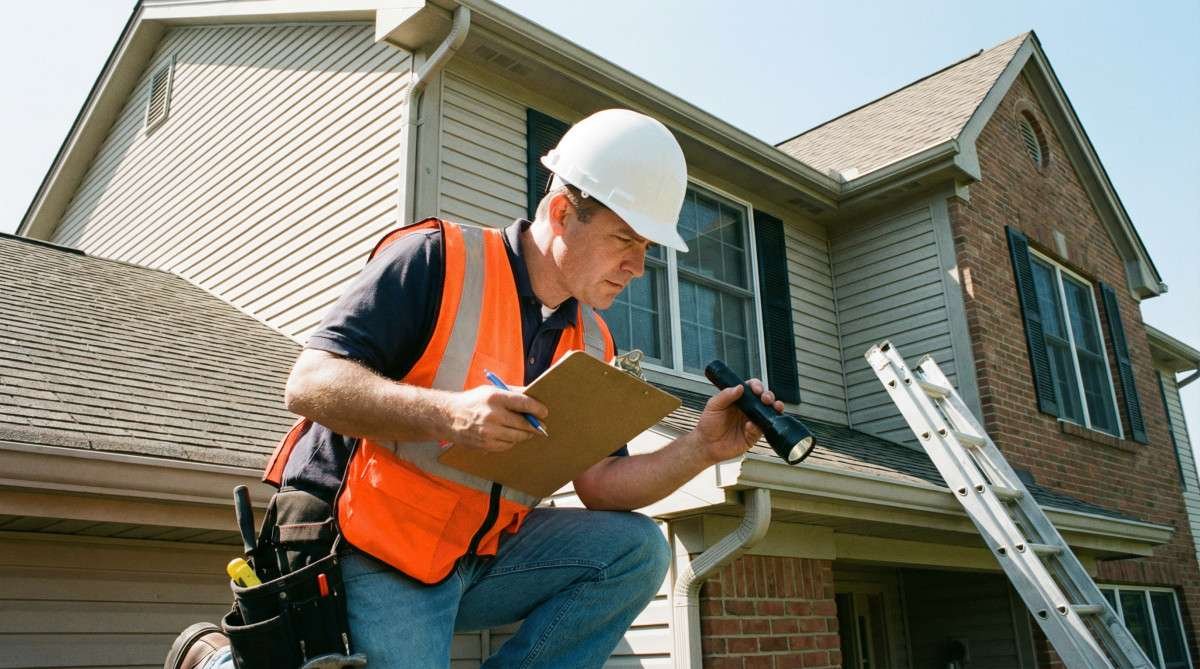
What is a Home Inspection?
A home inspection is a non-invasive, visual examination of a residential property’s physical structure and major systems, conducted by a trained and certified inspector. The primary goal is to identify existing or potential defects, safety hazards, and areas requiring maintenance or repair, providing buyers with a comprehensive overview of the home’s overall health.
During a home inspection, the inspector meticulously examines various components of the house, from the foundation to the roof. This process is designed to be objective and impartial, offering an unbiased report on the property’s condition. Unlike an appraisal, which assesses a home’s market value, an inspection focuses solely on its physical state. The findings are compiled into a detailed report that serves as a critical tool for buyers to understand their potential investment and any associated risks.
Key Areas Covered in a Home Inspection
A comprehensive home inspection typically covers a wide range of structural and mechanical components, including the exterior, roof, foundation, plumbing, electrical, and HVAC systems, as well as interior spaces, to ensure all critical elements are assessed for functionality and safety.
Grounds and Exterior
The inspection begins with the property’s exterior, evaluating elements such as grading, drainage, walkways, driveways, and retaining walls. The inspector checks for proper water diversion away from the foundation, which is crucial for preventing water intrusion and structural damage. Siding, trim, windows, and doors are examined for signs of wear, damage, or improper installation. The condition of decks, patios, and porches, including railings and structural integrity, is also assessed.
Roof and Attic
The roof is a critical component, protecting the home from the elements. Inspectors examine roofing materials for signs of damage, missing shingles, or improper installation. Gutters and downspouts are checked for proper drainage and blockages. The attic is inspected for adequate ventilation, insulation levels, and signs of leaks or moisture intrusion, which can lead to mold or structural decay. The condition of the chimney, if present, is also evaluated.
Foundation and Basement
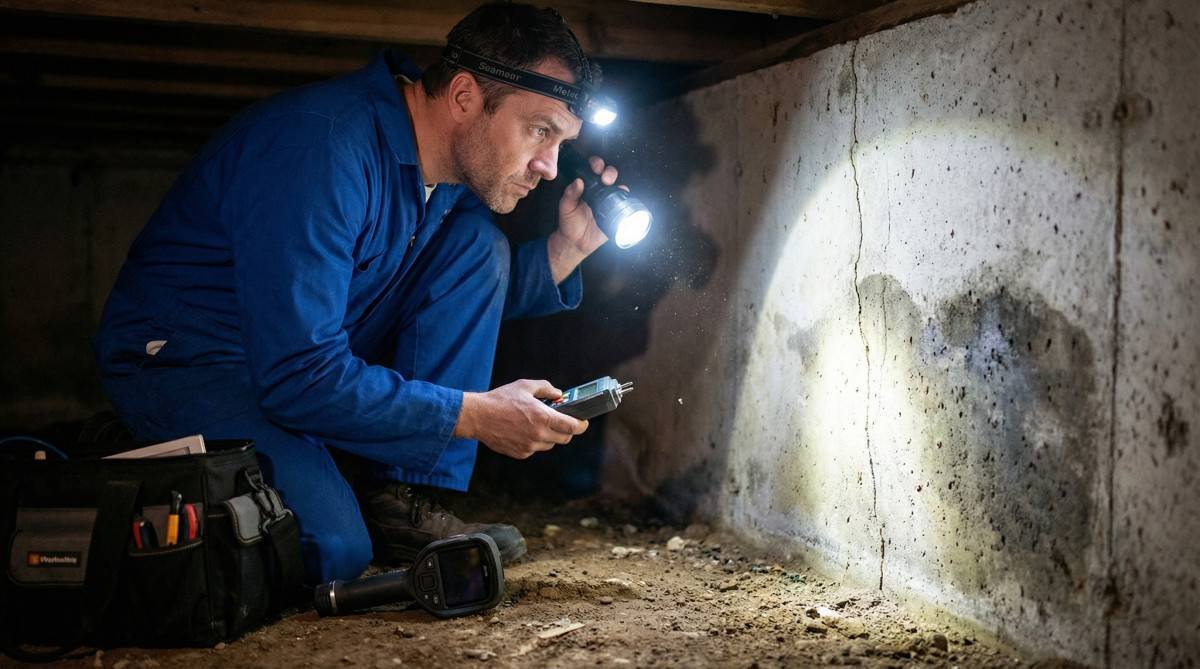
The foundation is the backbone of the house, and its integrity is paramount. Inspectors look for cracks, bowing walls, or other indicators of structural movement or water penetration in the basement or crawl space. Signs of moisture, such as water stains, efflorescence, or musty odors, are noted. The condition of the sump pump, if installed, is also verified.
Plumbing System
The plumbing system is thoroughly checked for leaks, corrosion, and proper water pressure. This includes inspecting visible pipes, fixtures, and drains in bathrooms, kitchens, and utility areas. The water heater’s age, condition, and capacity are assessed, along with its venting system. Inspectors also verify the functionality of all faucets, toilets, and showers.
Electrical System
Electrical systems are inspected for safety and functionality. This involves examining the main service panel, wiring, outlets, and switches. Inspectors look for outdated wiring, improper grounding, overloaded circuits, and any potential fire hazards. The presence and functionality of ground-fault circuit interrupters (GFCIs) and arc-fault circuit interrupters (AFCIs) in appropriate areas are also checked.
HVAC System
The heating, ventilation, and air conditioning (HVAC) system is crucial for indoor comfort. Inspectors test the heating and cooling units for proper operation, assess the condition of ductwork, and check thermostats. They also look for signs of deferred maintenance, such as dirty filters or unusual noises, and evaluate the system’s overall efficiency and expected lifespan.
Interior Spaces
Within the home, inspectors examine walls, ceilings, and floors for cracks, water stains, or unevenness. Doors and windows are checked for proper operation, security, and energy efficiency. Built-in appliances, such as ovens, dishwashers, and garbage disposals, are tested for functionality. Safety features like smoke detectors and carbon monoxide detectors are also verified for proper placement and operation.
Common Issues Discovered During Inspections
Home inspections frequently uncover a range of issues, from minor maintenance needs to significant structural or system defects, with common findings including roofing problems, electrical hazards, plumbing leaks, and foundation concerns.
While every home is unique, certain issues tend to appear more frequently during inspections. Understanding these common problems can help buyers prioritize concerns and negotiate effectively. Here is a table summarizing some of the most prevalent findings:
| Category | Common Issues | Potential Impact |
|---|---|---|
| Roofing | Missing or damaged shingles, improper flashing, poor drainage, end-of-life materials | Water leaks, structural damage, mold growth, costly replacement |
| Electrical | Outdated wiring (e.g., knob-and-tube, aluminum), ungrounded outlets, overloaded circuits, faulty GFCI/AFCI outlets, exposed wiring | Fire hazards, electrical shock risk, appliance damage |
| Plumbing | Leaking pipes, corroded fixtures, low water pressure, slow drains, water heater issues (age, leaks, improper installation) | Water damage, mold, increased utility bills, health concerns |
| HVAC | Malfunctioning furnace or AC unit, dirty filters, leaky ductwork, improper venting, aging system | Inefficient heating/cooling, poor indoor air quality, high energy costs, system failure |
| Foundation/Structure | Cracks in foundation, bowing walls, uneven floors, water intrusion in basement/crawl space, pest damage | Significant repair costs, structural instability, mold, health issues |
| Exterior | Poor drainage, damaged siding/trim, cracked driveways/walkways, deteriorated decks/porches, pest entry points | Water damage, structural decay, safety hazards, pest infestations |
The Home Inspection Report: What to Expect
Following the on-site inspection, the inspector compiles a detailed report that outlines all findings, including descriptions of identified issues, photographic evidence, and recommendations for further evaluation or repair, providing a comprehensive record of the property’s condition.
The inspection report is a critical document, often hundreds of pages long, that summarizes the inspector’s observations. It typically includes a narrative description of the home’s systems and components, notes on their condition, and specific recommendations. Photographs are usually included to illustrate identified issues, making it easier for buyers to understand the concerns. The report will categorize issues, often distinguishing between major defects, minor deficiencies, and maintenance recommendations. It is important to review this report thoroughly and ask the inspector for clarification on any points that are unclear. This document forms the basis for any subsequent negotiations with the seller.
Understanding Inspection Contingencies
An inspection contingency clause in a purchase agreement allows buyers to negotiate repairs, request credits, or withdraw from the sale without penalty if significant issues are discovered during the home inspection, thereby protecting their financial interests.
Most real estate purchase agreements include an inspection contingency, which is a crucial protection for buyers. This clause specifies a period during which the buyer can have the home inspected. If the inspection reveals unsatisfactory conditions, the buyer typically has several options: they can request the seller to make repairs, ask for a credit to cover the cost of repairs, negotiate a reduction in the purchase price, or, in cases of major defects, terminate the contract and receive their earnest money back. Without an inspection contingency, buyers might be obligated to proceed with the purchase regardless of the inspection findings, potentially inheriting costly problems. It is essential to understand the terms of this contingency and exercise your rights within the specified timeframe.
Choosing a Qualified Home Inspector
Selecting a qualified and experienced home inspector is paramount to a thorough and reliable assessment, requiring consideration of their certifications, experience, insurance, and adherence to professional standards.
The quality of your home inspection largely depends on the expertise of the inspector. It is advisable to choose an inspector who is certified by a reputable professional organization, such as the American Society of Home Inspectors (ASHI) or the International Association of Certified Home Inspectors (InterNACHI). These certifications indicate that the inspector has met rigorous standards of practice and continuing education. Additionally, consider an inspector’s experience, especially with homes similar to the one you are purchasing. Ask for references and ensure they carry errors and omissions (E&O) insurance, which protects both the inspector and the client in case of oversight. A good inspector will also be communicative, willing to answer questions, and provide a clear, easy-to-understand report.
Frequently Asked Questions About Home Inspections
How much does a home inspection typically cost?
The average cost of a home inspection ranges from $300 to $500, varying based on factors like home size, age, location, and the inspector’s experience.
Who is responsible for paying for a home inspection?
Typically, the home buyer is responsible for covering the cost of the home inspection, as it is conducted for their benefit and protection.
How long does a standard home inspection take to complete?
Most home inspections take approximately two to four hours to complete, depending on the property’s size and complexity.
What is the difference between a home inspection and an appraisal?
A home inspection assesses the physical condition of a property, while an appraisal determines its market value for lending purposes.
Are sellers obligated to fix issues found during an inspection?
Sellers are generally not legally obligated to fix issues, but buyers can negotiate for repairs or credits based on inspection findings.
Making an Informed Decision
A comprehensive home inspection provides invaluable insights into a property’s condition, empowering buyers to make well-informed decisions, negotiate effectively, and avoid unforeseen expenses, ultimately ensuring a more secure and confident home purchase.
The home inspection process is an indispensable part of buying a property. It serves as a protective measure, equipping you with detailed knowledge about your potential new home. By understanding the scope of an inspection, recognizing common issues, and leveraging the inspection report, you can approach negotiations with confidence. Choosing a reputable inspector further enhances the reliability of this crucial step. Ultimately, a thorough home inspection transforms a significant financial commitment into a more transparent and secure investment, safeguarding you from unexpected and costly surprises down the line.
| Aspect | Benefit of Home Inspection | Risk Without Inspection |
|---|---|---|
| Knowledge | Gain comprehensive understanding of property condition, including hidden defects. | Unaware of critical issues, resulting in unexpected problems after purchase. |
| Negotiation Power | Leverage findings to negotiate repairs, credits, or price adjustments with the seller. | Limited ability to negotiate, potentially overpaying for a property with issues. |
| Financial Protection | Avoid costly post-purchase repairs by identifying major defects beforehand. | Incur significant expenses for unforeseen repairs and maintenance. |
| Safety | Identify and address safety hazards such as faulty wiring or structural instability. | Exposure to potential dangers and unsafe living conditions. |
| Peace of Mind | Confidence in your investment, knowing the property has been thoroughly vetted. | Anxiety and uncertainty about the home’s true condition and future problems. |