In the contemporary real estate market, energy efficiency has transitioned from a desirable feature to a fundamental requirement for modern residential buildings. As utility costs continue to rise and environmental awareness grows, homeowners and property investors are increasingly seeking ways to reduce energy consumption and improve the sustainability of their properties. Energy-efficient upgrades not only lower monthly utility bills but also enhance the comfort of the living space and increase the overall market value of the asset, adds JGE Property Management solutions. This article explores the most impactful energy-efficient upgrades for modern residential buildings, focusing on their long-term benefits and return on investment.
The Importance of Energy Efficiency in Residential Real Estate
Energy efficiency is a key driver of property value. A building that is designed or retrofitted to consume less energy is more attractive to potential buyers and tenants, who are increasingly prioritizing sustainability and cost-effectiveness. Furthermore, many local and state governments offer tax incentives and rebates for energy-efficient improvements, making these upgrades even more financially viable.
Upgrade Category
Primary Benefit
Estimated ROI
Insulation & Sealing
Reduces heating and cooling costs
High
HVAC Systems
Improves indoor air quality and comfort
Moderate to High
Smart Technology
Provides precise control over energy use
High
Windows & Doors
Minimizes heat transfer and drafts
Moderate
Insulation and Air Sealing: The Foundation of Efficiency
The most effective way to improve energy efficiency is to address the building envelope. Proper insulation in the attic, walls, and floors acts as a thermal barrier, keeping the home warm in the winter and cool in the summer. Air sealing—identifying and closing gaps around windows, doors, and utility penetrations—prevents drafts and reduces the workload on the heating and cooling systems.
“A well-insulated and sealed home is the most cost-effective way to achieve energy efficiency. It is the foundation upon which all other energy-saving measures are built.”
Upgrading to high-performance insulation materials, such as spray foam or rigid foam board, can significantly reduce energy loss. Similarly, replacing old, single-pane windows with double- or triple-pane, low-emissivity (Low-E) windows can minimize heat transfer and improve the overall comfort of the living space.
High-Efficiency HVAC Systems and Water Heating
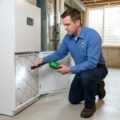
Heating, ventilation, and air conditioning (HVAC) systems are the largest consumers of energy in most residential buildings. Upgrading to a high-efficiency HVAC system, such as a heat pump or a variable-speed furnace, can lead to substantial energy savings. Modern HVAC systems are designed to operate more quietly and provide more consistent temperatures throughout the home.
Water heating is another significant energy expense. Tankless water heaters, which heat water on demand rather than maintaining a large tank of hot water, are much more efficient than traditional tank-style heaters. For homes with high hot water demand, a heat pump water heater can offer even greater energy savings by extracting heat from the surrounding air to heat the water.
The Role of Smart Technology in Energy Management
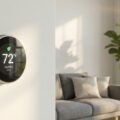
Smart home technology has revolutionized the way we manage energy consumption. Smart thermostats, for example, allow homeowners to program heating and cooling schedules based on their daily routines. Some models even use machine learning to adapt to the occupants’ preferences and automatically adjust the temperature when the home is unoccupied.
Smart lighting systems, including LED bulbs and motion sensors, can also contribute to energy savings. LED bulbs use significantly less energy than traditional incandescent bulbs and last much longer. Motion sensors ensure that lights are only on when a room is occupied, further reducing unnecessary energy use.
Conclusion: Investing in a Sustainable Future
In conclusion, energy-efficient upgrades are a strategic investment in the longevity and value of modern residential buildings. By focusing on the building envelope, upgrading HVAC and water heating systems, and leveraging smart technology, homeowners and property investors can significantly reduce energy consumption and improve the sustainability of their properties. These upgrades not only provide immediate financial benefits through lower utility bills but also enhance the comfort and marketability of the home. As the real estate market continues to evolve, energy efficiency will remain a critical factor in determining the success and profitability of residential investments.