Planning a construction project includes selecting the right container size to accommodate accumulating debris. Sorting waste materials may also be necessary, as certain hazardous items are restricted from construction dumpster rentals. Here are some tips for renting a dumpster for your next build:
Evaluate the Weight Capacity
Dumpsters are designed with specific weight limits to promote the safe transportation of a full container. While volume is measured in cubic yards, waste capacity is calculated in tons. Dense materials like concrete and brick can reach the maximum allowed weight even when the dumpster is only partially filled. Staying within these predetermined limits helps prevent safety hazards such as tipping containers, overflowing debris, and damaged equipment. Proper weight distribution within the container also promotes stability during transit, and it may protect driveways from damage caused by excessive pressure. Evaluating weight capacity beforehand helps maintain an uninterrupted schedule and minimizes logistical challenges or the need for additional rentals.
Prepare the Site for Placement
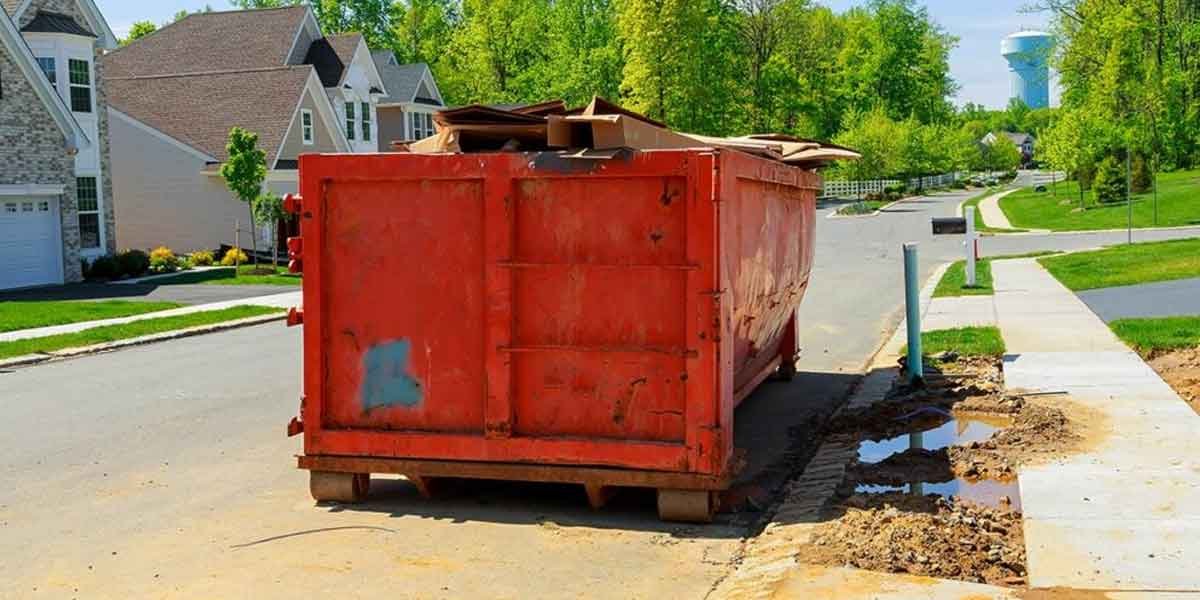
A well-selected placement location promotes the safety of your property and the efficiency of the delivery process. Choose a flat, level surface capable of supporting the weight of the fully loaded container without sinking or shifting. Provide enough clearance around the roll-off container for the truck to maneuver, and avoid overhead power lines or tree branches.
As part of the preparation process, you may protect the underlying surface to prevent the steel from scratching any concrete. The site should also be free of obstacles, such as parked cars, equipment, or debris, to facilitate smooth delivery. Effective site preparation involves assessing the logistical flow of your construction project to place the dumpster close to the site. Choosing a central and accessible location helps reduce the risk of accidental spills, and it keeps the workspace organized.
Schedule Advance Pickup
Scheduling your pickup in advance helps maintain an organized and efficient site throughout the duration of your build. Notifying the company of your desired removal date allows them to plan for pickup when your project concludes. This prevents the container from remaining on your property longer than needed. Timely removal also helps clear the workspace for subsequent phases of construction, like landscaping or final paving.
If your project generates debris faster than anticipated, early communication allows the provider to coordinate a switch-out. They replace a full container with an empty one to keep your workflow uninterrupted. Relying on last-minute requests can lead to delays, whereas advance planning helps retrieve the equipment according to your specific timeline. Coordinating the pickup in advance allows you to conduct a final inspection of the debris.
Verify Restricted Materials
Construction dumpster rental companies restrict certain materials because they may pose risks to human health and safety. Standard dumpsters are designed for materials such as metal, wood, and drywall. If prohibited items like chemicals or fuels are mixed with general debris, they create fire hazards within the container. Hazardous materials may also corrode the steel walls, potentially causing leaks during transport on public roads.
Identifying prohibited items early in the planning process helps you arrange appropriate disposal alternatives for materials like paints and solvents. It also enables you to select the right dumpster by aligning the container type with your project’s waste streams. Larger containers, such as 30- and 40-yard units, may have additional restrictions on brick or concrete materials due to weight limits. Verifying these details prevents you from selecting a size that is legally unable to haul your specific debris.
Plan To Load Debris Strategically
Strategic debris loading maximizes the capacity of your container, as material placement impacts how much waste the unit can hold. Begin by placing large, flat items, such as plywood or old doors, at the bottom of the dumpster. This creates a solid base, and it may prevent smaller debris from creating inefficient air pockets. As the project progresses, distribute weight evenly across the entire length of the container to maintain stability. Strategic debris loading can offer the following benefits:
- Enhanced job site safety
- Improved project organization
- Increased protection of property infrastructure
- Simplified waste sorting
Find a Construction Dumpster Rental
Construction projects generate heavy, bulky waste, and commercial containers are designed to accommodate large loads that regular trash services can’t handle. Renting a dumpster allows workers to dispose of debris promptly instead of stockpiling materials or making repeated trips to the landfill. It helps keep the project moving and on schedule. Contact a reputable construction dumpster rental provider to learn more about their services.