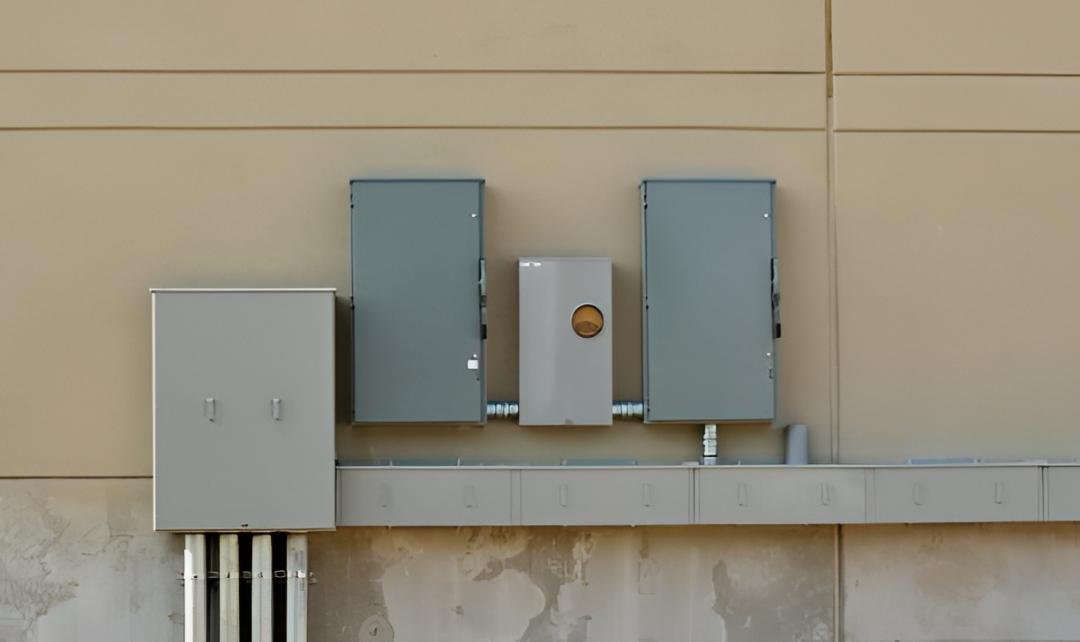
In today’s rapidly evolving industrial landscape, technology is advancing at an unprecedented pace. Automation, smart systems, and data-driven decision-making are becoming the foundation of modern operations. As industries embrace digital transformation, even traditional components like electrical enclosures are undergoing significant changes.
Electrical enclosures have long been used to protect sensitive equipment from environmental hazards and physical damage. However, with the rise of smart technologies, these enclosures are no longer just passive protective boxes. They are becoming active, intelligent systems that contribute to efficiency, safety, and operational control.
Smart electrical enclosures represent the next step in industrial evolution. They combine traditional protection with advanced monitoring, automation, and connectivity features. This shift is helping businesses improve performance, reduce downtime, and gain better control over their systems.
To fully benefit from these advancements, many companies are now working with an experienced OEM Electrical Enclosure Manufacturer that can design and deliver smart, customized solutions tailored to modern industrial needs.
What Are Smart Electrical Enclosures?
Smart electrical enclosures are advanced versions of traditional enclosures that integrate technology to monitor and manage internal conditions. Unlike standard enclosures, which simply provide protection, smart enclosures actively contribute to system performance.
They can include features such as:
- Temperature and humidity sensors
- Real-time monitoring systems
- Remote access and control
- Automated cooling and ventilation
- Alerts and notifications for system issues
These features allow businesses to detect problems early and take action before they escalate.
Why Smart Enclosures Are Gaining Popularity
The growing demand for efficiency and reliability is driving the adoption of smart enclosures. Businesses are no longer satisfied with reactive maintenance—they want proactive solutions that prevent issues before they occur.
Several factors are contributing to this shift:
1. Increased System Complexity
Modern electrical systems are more complex than ever. They require precise conditions to operate efficiently, making real-time monitoring essential.
2. Demand for Continuous Operations
Industries such as manufacturing and telecommunications cannot afford downtime. Smart enclosures help ensure uninterrupted performance.
3. Focus on Data-Driven Decisions
Access to real-time data allows businesses to make informed decisions and optimize their operations.
4. Growing Importance of Safety
Smart systems help identify potential risks and improve safety for both equipment and personnel.
Key Features of Smart Electrical Enclosures
Smart enclosures are defined by several advanced features that set them apart from traditional designs.
1. Real-Time Monitoring
Sensors inside the enclosure continuously track temperature, humidity, and other environmental factors. This data helps identify potential issues before they cause damage.
2. Automated Thermal Management
Smart enclosures can automatically adjust cooling systems based on internal conditions. This ensures optimal performance and prevents overheating.
3. Remote Access and Control
Operators can monitor and control enclosure conditions remotely, reducing the need for manual inspections.
4. Predictive Maintenance
By analyzing data trends, smart systems can predict when maintenance is required, reducing unexpected failures.
5. Enhanced Security
Advanced locking systems and monitoring features help prevent unauthorized access.
How Smart Enclosures Improve Efficiency
Efficiency is one of the biggest advantages of smart electrical enclosures. By providing real-time insights and automation, they help businesses optimize their operations.
Some key benefits include:
- Reduced downtime through early problem detection
- Improved energy efficiency with optimized cooling
- Faster response to system issues
- Better resource management
These improvements lead to higher productivity and lower operational costs.
Applications Across Industries
Smart electrical enclosures are being used in a wide range of industries, each benefiting from their advanced capabilities.
Manufacturing
In manufacturing, smart enclosures help monitor equipment conditions and prevent production interruptions.
Energy Sector
Renewable energy systems benefit from real-time monitoring, ensuring consistent performance in remote locations.
Telecommunications
Communication networks rely on uninterrupted service. Smart enclosures help detect issues early and maintain reliability.
Data Centers
Data centers require precise temperature control. Smart enclosures help maintain optimal conditions and prevent overheating.
In all these sectors, working with a reliable OEM Electrical Enclosure Manufacturer ensures that smart solutions are designed to meet specific operational needs.
The Role of IoT in Smart Enclosures
The Internet of Things (IoT) plays a major role in the development of smart electrical enclosures. IoT enables devices to communicate and share data, creating a connected system.
With IoT integration, smart enclosures can:
- Send real-time alerts to operators
- Integrate with centralized monitoring systems
- Provide detailed performance analytics
- Enable remote diagnostics
This connectivity enhances control and improves decision-making.
Reducing Maintenance Through Automation
Traditional maintenance approaches rely on regular inspections and reactive repairs. Smart enclosures change this by enabling predictive maintenance.
Benefits include:
- Early detection of potential issues
- Reduced need for manual inspections
- Lower maintenance costs
- Improved equipment lifespan
Automation ensures that maintenance is performed only when necessary, saving both time and resources.
Improving Safety with Smart Technology
Safety is a critical concern in any industrial environment. Smart enclosures enhance safety by providing real-time monitoring and alerts.
They help:
- Detect abnormal conditions
- Prevent overheating and electrical faults
- Ensure compliance with safety standards
- Reduce risks for workers
These features make smart enclosures an essential component of modern safety strategies.
Challenges in Adopting Smart Enclosures
While smart enclosures offer many benefits, there are also challenges to consider.
Initial Investment
Smart systems may require a higher upfront cost compared to traditional enclosures.
Integration Complexity
Integrating smart features with existing systems can be complex.
Training Requirements
Staff may need training to effectively use and manage smart systems.
Despite these challenges, the long-term benefits often outweigh the initial costs.
Future Trends in Smart Enclosure Technology
The future of electrical enclosures is closely tied to advancements in technology. Several trends are shaping the next generation of smart enclosures:
- Increased use of artificial intelligence for predictive analytics
- Enhanced connectivity through advanced IoT solutions
- Development of more energy-efficient systems
- Integration with smart factory and Industry 4.0 concepts
These innovations will continue to improve performance and efficiency.
Choosing the Right Partner for Smart Solutions
Selecting the right manufacturer is crucial when adopting smart enclosure technology. A reliable partner understands both traditional design principles and modern technological requirements.
Key considerations include:
- Experience with smart and automated systems
- Ability to provide customized solutions
- Strong technical support
- Commitment to quality and innovation
Working with the right partner ensures a smooth transition to smart systems.
Final Thoughts
Smart electrical enclosures are transforming the way industries protect and manage their electrical systems. By combining traditional protection with advanced technology, they offer a powerful solution for improving efficiency, safety, and reliability.
As industries continue to embrace automation and digital transformation, the demand for smart enclosure solutions will only grow. Businesses that invest in these technologies today will be better prepared for the challenges of tomorrow.
Companies like Eabel.com are playing a key role in this transformation by providing innovative and customized enclosure solutions that meet the evolving needs of modern industries.
You Might Also Like...
 Sinkom Explained: The Complete Guide to Smart Integration, Coordination, and Innovation
 FintechZoom NASDAQ: The Complete Guide to Real-Time Trading Insights and Market Intelligence in 2026
 6 Professional Garage Door Repair Companies Covering Houston
 Electrical Panel Upgrades: Modernizing Your Home’s Power Center