Most people who decide to straighten their teeth want one answer before anything else, and that answer is how long the whole thing will take. It is a fair question, though the honest response is rarely a single number. Orthodontic treatment moves bone and tissue, not just enamel, and biology sets the pace.
Patients across Celina hear estimates in months and then wonder why one friend finished in under a year while another spent nearly two. The gap almost always comes down to what was wrong at the start, how the plan was built, and how closely the patient followed it.
Choosing a System That Matches the Case
Two patients can arrive with problems that look identical from the outside and leave with plans that share almost nothing. Clear aligners get written off early by people whose teeth need rotation or bite correction, because the assumption is that removable trays only handle mild crowding.
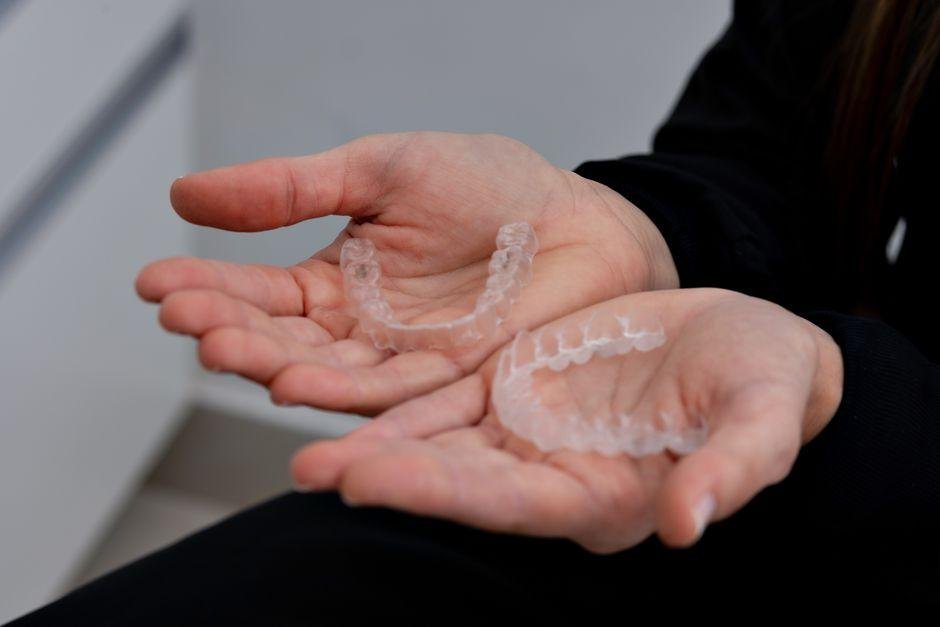
A tray system engineered with enough contact and control across each tooth surface corrects far more than that assumption allows, and the finish is where the difference shows. Patients who want that level of precision can ask about Spark Clear Aligners in Celina during a consultation and find out whether the case qualifies.
Why Every Estimate Starts With Diagnosis
Nothing about a timeline is real until someone has looked at the underlying structure. A visual glance at the front teeth tells almost nothing about the roots, the jaw joints, or how the upper and lower arches meet when the mouth closes. Imaging and digital scanning give an orthodontist the full picture, including where the roots sit in the bone and how much room there actually is to work with.
This matters because the amount of movement needed determines nearly everything else. Teeth that need to travel a short distance respond quickly. Teeth that need rotation, uprighting, or vertical correction take longer, and forcing that process faster than the bone can remodel causes problems rather than solving them. A careful diagnosis is what separates a realistic estimate from a guess, and it is worth the extra appointment time at the beginning.
How Bone Biology Sets the Pace
The bone must give way before a tooth can go anywhere. Constant, low-level force triggers cells to clear material ahead of the root while other cells lay fresh structure down behind it. That cycle has a natural rhythm, and it cannot be rushed by applying more force. Heavier pressure actually slows things down by cutting off blood supply to the ligament around the root.
Age plays a role here as well. Younger patients tend to remodel bone faster, which is one reason teen treatment often finishes sooner than adult treatment for a similar problem. Adults are not at a disadvantage in terms of results, but their bodies work through the same steps at a steadier pace. Understanding this makes the wait far easier to accept, because the delay is not inefficiency. It is the treatment working correctly.
Where Patients Add Time Without Realizing It
The single largest variable in most timelines is the patient. Wear time, appointment attendance, and following instructions between visits control whether a plan stays on schedule. Missing a few hours of wear each day may seem trivial, but the pressure needed to move a tooth has to be continuous. Interrupt it repeatedly, and the tooth partially settles back, which means the next stage does not fit the way it was designed to.
Skipped or delayed appointments create a similar problem. Progress checks exist so an orthodontist can catch a tooth that is not tracking as planned and correct course early. Waiting three extra months for a check does not simply push the finish date back three months. It can require reworking part of the plan.
The Difference Between Looking Done and Being Done
There is a point in nearly every case where the front teeth look straight, and the patient starts asking whether they can stop. This is a misunderstood moment in orthodontics. Appearance improves well before the functional work is complete, because the visible teeth are usually the easiest to move and the first to respond.
What remains at that stage is the bite. If the top and bottom teeth do not meet evenly, chewing force lands on a few teeth instead of being distributed across all of them. Over years, that causes wear, chipping, and sometimes jaw discomfort. Finishing the functional correction is what protects the result.
Retention Is Part of the Timeline, Not an Afterthought
The work does not end when active treatment does. Once teeth reach their new positions, the bone and ligament around them need time to firm up. During that window, teeth are genuinely inclined to drift back toward where they came from, and without something holding them, they will.
Retainers handle that job, and the wear schedule usually starts heavy before easing to nighttime only. The mistake people make is treating retention as optional maintenance rather than the final treatment phase. Relapse is the most common reason adults seek orthodontic care a second time, and nearly all of it traces back to retainers that stopped being worn.
Building the Schedule Around Real Life
Treatment happens alongside jobs, school, travel, and everything else. That is not a reason to postpone it, but it is worth discussing openly at the first visit. Ask how many appointments a typical case requires, how long each one takes, and whether any part of the monitoring can happen without an office visit. Remote check-ins have reduced chair time considerably in recent years.
Also ask what happens if something goes wrong between appointments, because it occasionally will. Knowing the answer in advance keeps a small issue from turning into weeks of lost progress. A plan that fits a patient’s actual life gets followed, and a plan that gets followed finishes on time. That is the whole equation, and it is far more within a patient’s control than most people assume when they first sit down to ask how long this is going to take.