Have you ever noticed how one careless decision can change several lives in seconds? Firearm ownership sits at the center of that reality. Millions of Americans legally own firearms for sport, hunting, collecting, and personal protection, yet every firearm also carries serious responsibility. Recent debates about public safety, mental health, and community trust have made responsible ownership more important than ever. The conversation is no longer just about rights. It is also about preparation, accountability, and making choices that protect everyone.
Learning Before Purchasing
Owning a firearm starts long before the first trip to a shooting range. It begins with understanding federal, state, and local laws, learning safe handling techniques, and recognizing that every firearm should be treated as if it is loaded. New owners should also spend time learning how different firearm platforms function, what safety features they include, and how to inspect them before and after use. Reading the owner’s manual, taking a certified firearm safety course, and asking experienced instructors questions can prevent mistakes that are often caused by overconfidence or misinformation.
Developing good habits from the beginning makes responsible ownership easier because safe practices become routine instead of something that requires constant reminders. Someone planning to buy AR-15/M-16 magazines should spend at least as much time studying storage laws, transportation rules, and safe operation as they spend comparing equipment. Responsible owners understand that knowledge is not optional because good decisions reduce accidents and build confidence from day one.
Safe Storage Protects Everyone
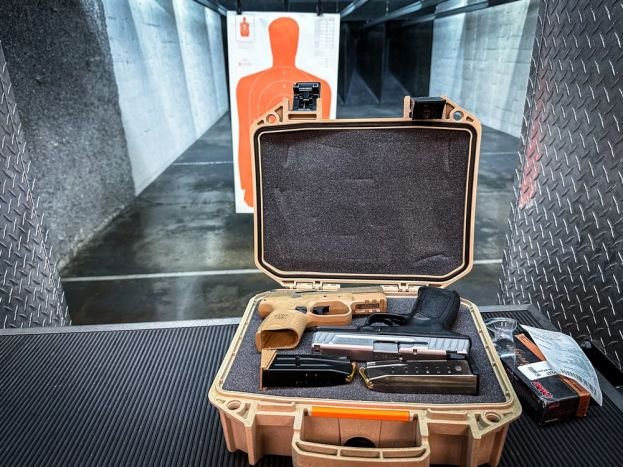
Secure storage remains one of the simplest and most effective ways to prevent tragedy. A quality gun safe or lockbox keeps firearms away from children, unauthorized visitors, and anyone experiencing a mental health crisis. Trigger locks add another layer of protection, but they should complement secure storage rather than replace it.
Many accidental shootings happen inside homes where firearms were left accessible. Keeping ammunition stored separately, locking firearms whenever they are not in use, and checking storage systems regularly can significantly reduce unnecessary risks. These habits protect families without interfering with responsible access.
Practice Builds Better Judgment
Shooting accurately involves much more than hitting a target. Regular practice develops safe habits, improves decision-making under pressure, and reinforces respect for the firearm itself. Many experienced instructors recommend practicing basic safety procedures during every range visit instead of focusing only on accuracy.
Training should also include scenario-based exercises that emphasize judgment instead of speed. Knowing when not to fire is often more important than knowing how to shoot quickly. Responsible firearm owners recognize that avoiding conflict whenever possible remains the safest outcome for everyone involved.
Understanding the Law
Firearm laws differ widely across the United States, and responsible owners stay informed about the regulations where they live and travel. Requirements involving concealed carry permits, transportation, storage, and self-defense vary from one state to another. Assuming the rules are identical everywhere can create serious legal problems.
Legal knowledge should be updated regularly because legislation continues to change as lawmakers respond to court decisions and public concerns. Following reliable government resources instead of relying on social media posts helps owners avoid costly misunderstandings and make informed decisions.
Respecting Mental and Emotional Readiness
Responsible ownership includes recognizing personal limits. Stress, anger, depression, substance abuse, or emotional crisis can affect judgment in ways that are difficult to notice in the moment. Creating a personal safety plan before problems arise allows trusted family members or friends to help secure firearms temporarily if necessary.
Many firearm organizations now encourage open conversations about mental wellness without treating responsible owners unfairly. Asking for support during a difficult period reflects maturity rather than weakness. Protecting life sometimes means stepping back until circumstances improve.
Building a Strong Safety Culture
Communities benefit when experienced firearm owners help newcomers develop safe habits instead of assuming they already know the basics. Mentoring new shooters at local ranges, encouraging formal education, and correcting unsafe behavior respectfully create an environment where safety becomes the expectation instead of the exception.
Technology has changed how people learn, but short online videos cannot replace supervised instruction. Social media often rewards dramatic demonstrations because they attract attention, while careful safety practices receive far less visibility. Responsible owners understand that real expertise develops through patience, practice, and continuous learning.
Responsibility Shapes Public Trust
Public conversations about firearms have become increasingly polarized, especially after high-profile incidents that dominate national headlines. Despite those disagreements, many Americans agree that safe handling, secure storage, ongoing training, and lawful ownership benefit everyone regardless of political views. Responsible behavior strengthens confidence within families, neighborhoods, and local communities.
Firearm ownership has always carried significant responsibility alongside individual rights. Every decision, from learning the law to practicing regularly and storing firearms securely, reflects a commitment to protecting both personal safety and the well-being of others. That commitment ultimately defines responsible ownership far more than the firearm itself.
Teaching the Next Generation the Right Way
Families that choose to introduce younger generations to firearms should make safety education the first lesson, not marksmanship. Children should learn that a firearm is never a toy, should never be touched without adult permission, and must always be reported to a trusted adult if one is found unattended. These conversations should happen early and continue as children grow older. Parents who model safe habits at home reinforce those lessons every day. Consistent guidance creates responsible future owners who understand that respect, patience, and discipline matter far more than confidence or curiosity.
Regular Maintenance Is Part of Safety
A firearm that is not properly maintained can become unreliable and potentially dangerous. Owners should inspect their firearms regularly, clean them after use, and replace worn or damaged parts according to the manufacturer’s recommendations. Proper maintenance also includes checking optics, ensuring safeties function correctly, and confirming that ammunition is appropriate for the specific firearm. Keeping maintenance records can help identify recurring issues before they become serious problems. Treating routine care as an essential part of ownership helps ensure the firearm performs safely and as intended whenever it is legally and responsibly used.
Beyond standard cleaning, focusing on the individual components that handle ammunition feeding is vital for long-term operational success. Investing time into maintaining functional equipment, such as reliable AR-15 Magazines, helps limit common structural failures and supports overall safety at the range. Regular inspections of spring tension and feed lips ensure that minor wear is addressed before it compromises performance.