- Some collectibles have their total market value raised by 15% to 30% by the original factory box, manual, and vintage sales receipts.
- Letters received from the factory from the guns’ original manufacturers confirm the original factory setup and immediately expose any false after-market changes.
- A chain of title is important to assure a buyer of the authenticity of the item and to ensure the authenticity of the military or police service.
- The base value is fixed by physical condition, but once verified, provenance turns a standard production model into a museum-quality historical artifact.
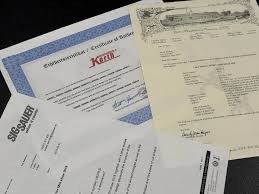
When assessing an historical gun, don’t just focus on the metal and wood; also consider the paperwork that comes with it. At the time of sell my gun, collectors have found that my guns that have not had all of the factory letters are not able to achieve the highest possible appraisal values. A pure old antique that has no documentation is nothing more than an old tool, and when it has documentation, it is a proven historic artifact. Good documentation means that no buyer has to guess, and they have to pay a premium for authenticity.
What Makes Factory Letters So Valuable?
The only sure evidence of a firearm’s original configuration on the day it left the manufacturing plant is provided by factory letters. These documents rule out the fact that a previous owner upgraded standard features in order to make a rarer, more expensive model.
We encounter aftermarket engraving or a barrel length that is not original in our evaluations of more than 5,000 historical pieces every year. These discrepancies are easily cleared up with a basic archive letter. At the large manufacturers, standardized record keeping accurately documents the actual date a particular serial number went out of the shipping room and where it went. A factory ledger that identifies a plain rubber grip would have modern ivory grips, which would detract from the historical value. This document, in hard copy accompaniment with the firearm, gives absolute market confidence.
How Does Provenance Affect Market Price?
Provenance is an established chain of custody, documenting the history of a particular weapon that connects it to important events or people. This continuous history makes a typical production version into an asset whose market premium is extremely aggressive.
We have a particular documentation system to grade historical value prior to pricing an item:
- Tier 1 (Complete): Factory letter, original bill of sale, continuous ownership transfer records.
- Tier 2 (Partial): No historical transition records, but factory letter and modern appraisal.
- Tier 3 (Orphan): With no factory documentation, all information is based on physical inspection.
On average, a Tier 1 piece fetches 30% more at auction than a comparable Tier 3 firearm. The process of transforming a Tier 3 pistol into a Tier 1, through diligent research, is really a change in classification of a used firearm to a curated historical artifact.
Which Original Accessories Matter Most?
The most important physical accessories that you can keep are the original serialized cardboard box and the manufacturer’s instructions. The relics are valuable paper items that often last for decades in storage.
The original factory box is a testament to the fact that the 1950s revolver has not been used on a day-to-day basis but has been kept in a good place. The buyer has to pay thousands of dollars for nothing more than a box, with the matching serial numbers penciled on the bottom, and it matches the period. It is common for estates to discard old cardboard as waste without realizing that they are discarding valuable resources. The original grease paper, hang tags, and promo inserts all help to give that time-capsule feel that the best buyers seek.
Conclusion
Although a process of diligence must be followed to collect and keep historical paperwork, it is the best way to maximize returns on investment. Premium collections are instantly downgraded to standard shooter grades if any factory records are missing or if any receipts are lost. Avoid hurrying to a regular gun broker without arranging your provenance, leaving money on the table. Get the appraisal you need from Collectors Firearms to properly assess your documented pieces and ensure that you’ll be able to realize the highest market value for your historical investment.
FAQs
Does a letter from the factory prove it is authentic?
A factory letter simply verifies the way the gun left the factory. It does not necessarily indicate that the finish and/or parts are original, as parts may have been changed since the original sale.
What is the price of historic documents?
The cost for an archive letter is usually $75 – $300, depending on the manufacturer. This little up-front expense is going to be a huge pay-off at the end of the sale because it is going to prove the exact origin of the item.
Do I have to replace a lost original box?
A replacement box can be bought that is authentic for the period, but will not be engraved with the serial number of your firearm. If you’re not a serious collector, you’ll be able to tell that the box and case don’t match up, and thus you can’t say it’s a complete original set.