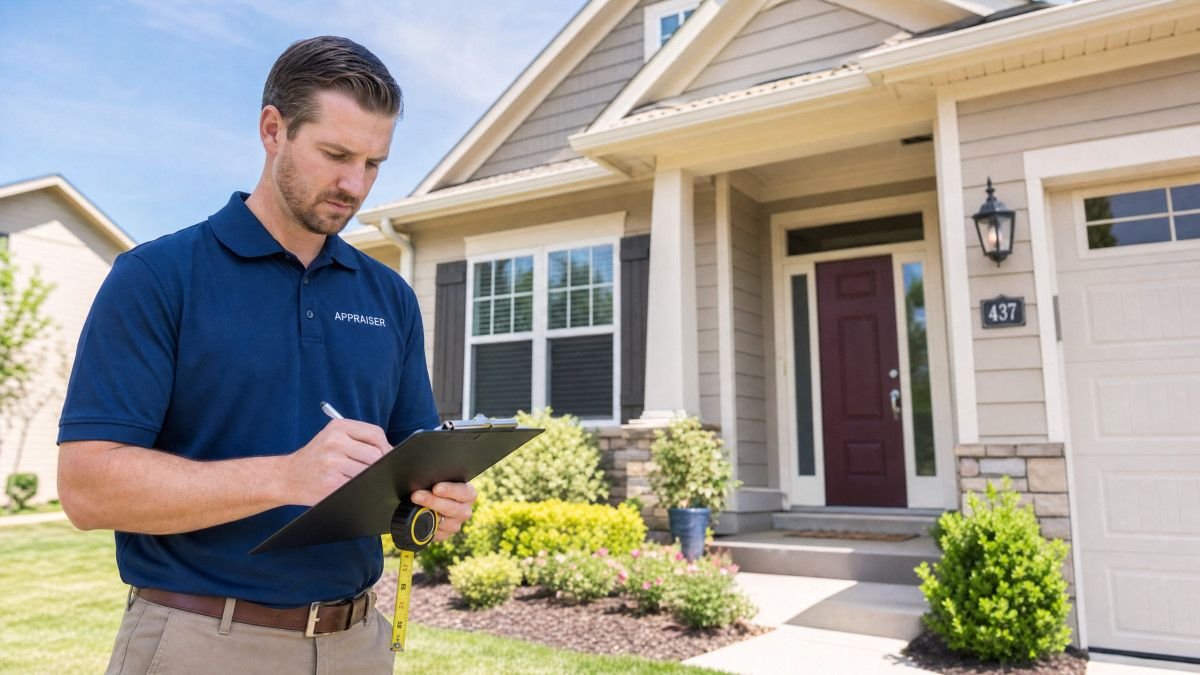
A home appraisal is an unbiased professional opinion of a property’s value, primarily used by lenders to ensure the loan amount does not exceed the home’s actual worth. For sellers, understanding the appraisal process is paramount because a low appraisal can jeopardize a sale or necessitate a price reduction, directly impacting their financial outcome and the transaction’s success, notes CMS Property Management professionals.
What is a Home Appraisal and Why is it Crucial for Sellers?
A property appraisal Niagara experts conduct is an independent, professional assessment of a home’s market value. This valuation is critical for sellers as it directly influences the buyer’s ability to secure financing, ensuring the property’s value supports the mortgage amount and protecting both the lender and the buyer from overpaying.
A home appraisal provides an objective valuation of a property, which is distinct from the listing price or the buyer’s offer. This valuation is typically required by the buyer’s mortgage lender to protect their investment. Lenders want assurance that the property serves as adequate collateral for the loan, meaning if the buyer defaults, the bank can recoup its losses by selling the home.
For sellers, the appraisal is a pivotal moment in the sales process. If the appraised value comes in lower than the agreed-upon sale price, it creates an “appraisal gap.” This gap can force renegotiations, potentially leading to a reduced sale price, the buyer covering the difference in cash, or even the collapse of the deal. Therefore, a seller’s preparation for an appraisal can significantly influence the transaction’s outcome.
The appraiser’s report considers various factors, including the home’s condition, features, location, and recent sales of comparable properties. Their goal is to provide an accurate reflection of what the home is truly worth in the current market. This unbiased assessment helps maintain fairness and stability in real estate transactions, preventing inflated prices that could harm future market conditions.
The Appraisal Process: What to Expect
The appraisal process begins when the buyer’s lender orders an appraisal, assigning a licensed professional to evaluate the property. The appraiser conducts a thorough inspection, researches comparable sales, and compiles a detailed report, which is then submitted to the lender to determine the home’s market value.
Once a purchase agreement is signed, the buyer’s lender initiates the appraisal process. They select a licensed, independent appraiser from their approved list to ensure impartiality. The appraiser then schedules an appointment to visit the property. During this visit, the appraiser will conduct a comprehensive inspection, both inside and out, documenting the home’s condition, features, and any improvements.
The physical inspection involves measuring the home, noting the number of bedrooms and bathrooms, assessing the quality of construction, and evaluating the overall condition of the property. They will also look for any obvious structural issues or necessary repairs. This on-site visit is crucial for gathering firsthand data that will inform their valuation.
Following the inspection, the appraiser conducts extensive research on comparable properties, known as “comps,” that have recently sold in the immediate area. They analyze these sales, making adjustments for differences in size, features, condition, and location to arrive at an accurate valuation for the subject property. The final appraisal report, which includes their findings and valuation, is then submitted to the lender.
Key Factors Appraisers Consider
Appraisers evaluate numerous factors to determine a home’s value, including its location, size, condition, and the presence of desirable features or recent upgrades. They also heavily weigh recent sales of comparable properties, ensuring the valuation reflects current market trends and property characteristics.
Location is often the most significant factor in a home’s value. Proximity to good schools, employment centers, amenities, and desirable neighborhoods can substantially increase an appraisal. Appraisers meticulously analyze the specific micro-market, considering factors like street appeal, noise levels, and even the quality of neighboring homes.
The physical characteristics of the property are also paramount. This includes the square footage, number of bedrooms and bathrooms, lot size, and overall architectural style. The age and condition of the home, including its major systems like HVAC, plumbing, and electrical, play a critical role. Recent renovations or upgrades, such as a remodeled kitchen or bathroom, can positively impact value if they are consistent with neighborhood standards and add functional utility.
Furthermore, appraisers consider external factors like zoning regulations, easements, and any potential environmental hazards. They also look at market conditions, such as supply and demand, interest rates, and economic forecasts. According to the National Association of Realtors, 85% of appraisers cited “condition of the property” as a significant factor, while 90% cited “comparable sales” as very important [1].
Preparing Your Home for an Appraisal
Sellers can proactively prepare their home for an appraisal by ensuring it is clean, well-maintained, and presents well, addressing minor repairs, and highlighting any significant upgrades. Providing the appraiser with a list of improvements and relevant documents can also aid in achieving a favorable valuation.
First impressions matter, so ensure your home is clean, clutter-free, and well-maintained. Address any minor repairs, such as leaky faucets, broken light fixtures, or peeling paint, as these can detract from the perceived value. A well-kept exterior, including landscaping and curb appeal, is also important, as it often sets the tone for the appraiser’s overall impression.
Gather documentation of any significant home improvements or renovations, including dates and costs. This could include a new roof, updated HVAC system, kitchen remodels, or bathroom renovations. Providing a detailed list of these upgrades, along with their associated permits and warranties, can help the appraiser accurately assess the added value. This information ensures the appraiser doesn’t overlook valuable enhancements.
While appraisers are independent, providing them with a “brag sheet” or a list of your home’s best features and recent upgrades can be beneficial. This document can also include a list of comparable sales you believe are relevant, especially if your agent has identified unique aspects of your property. As John Smith, a certified residential appraiser with Appraisal Group Inc., states, “While we conduct our own research, a well-organized list of improvements and relevant market data from the homeowner can streamline our process and ensure no value-adding features are missed.”
Understanding Appraisal Value vs. Market Value
Appraisal value is a professional, unbiased estimate of a home’s worth for lending purposes, while market value reflects what a buyer is willing to pay and a seller is willing to accept in a competitive market. Although often similar, these values can diverge, especially in rapidly changing markets, impacting transaction outcomes.
Appraisal value is a conservative estimate determined by a licensed professional using standardized methodologies, primarily for the purpose of securing a mortgage. It focuses on historical data, comparable sales, and the physical attributes of the property. The appraiser’s role is to protect the lender from over-lending on a property that might not hold its value.
Market value, on the other hand, is a more dynamic concept, representing the price a property would fetch in the open market under normal conditions. It is influenced by current supply and demand, buyer sentiment, and aggressive bidding wars. In a hot seller’s market, the market value (what buyers are willing to pay) can often exceed the appraisal value, leading to appraisal gaps.
The distinction is crucial for sellers. If the market value is significantly higher than the appraisal value, the buyer will need to bring additional cash to closing to cover the difference, or the seller may need to reduce the price. This divergence highlights the importance of strategic pricing and understanding potential appraisal challenges in competitive markets. For instance, in 2023, approximately 10% of home sales experienced an appraisal gap where the appraisal came in below the contract price [2].
Dealing with a Low Appraisal
A low appraisal can be a significant setback, but sellers have several options, including renegotiating the sale price, requesting a reconsideration of value, or having the buyer cover the difference. Open communication with the buyer and their agent is essential to navigate this challenge effectively.
When an appraisal comes in lower than the agreed-upon sale price, the first step is to understand the report thoroughly. Review it for any factual errors, such as incorrect square footage, number of rooms, or overlooked improvements. These errors can form the basis for a reconsideration of value request, which your agent can help you submit to the lender.
If there are no apparent errors, renegotiation becomes the primary strategy. Options include the seller reducing the price to match the appraisal, the buyer bringing additional cash to cover the appraisal gap, or both parties agreeing to meet somewhere in the middle. The strength of the local market and the buyer’s motivation will often dictate the flexibility of these negotiations.
Another option, though less common, is for the buyer to seek a second appraisal, especially if they believe the first one was flawed. However, lenders are often hesitant to order a second appraisal unless there is compelling evidence of a significant error in the initial report. Maintaining clear and consistent communication with your real estate agent and the buyer’s agent is vital throughout this process to explore all possible solutions.
The Appraiser’s Independence and Qualifications
Appraisers are licensed professionals who operate independently to provide an unbiased valuation, adhering to strict ethical standards and regulatory guidelines. Their qualifications ensure they possess the expertise to accurately assess property values, providing a crucial layer of protection for all parties in a real estate transaction.
Appraisers are required to be licensed or certified by their respective states, undergoing rigorous training and examination to demonstrate their competency. This licensing ensures they have a deep understanding of valuation methodologies, market analysis, and property characteristics. Their independence is paramount; they are not influenced by real estate agents, buyers, or sellers, ensuring an objective assessment.
The Dodd-Frank Act, enacted in response to the 2008 financial crisis, reinforced appraiser independence by establishing strict guidelines to prevent undue influence from lenders or other parties involved in the transaction. This legal framework ensures that appraisers can perform their duties without pressure to meet a specific valuation, thereby protecting the integrity of the appraisal process.
Their role is not to approve or deny a loan, but solely to provide an accurate valuation of the property. This unbiased opinion is critical for lenders to make informed decisions and for buyers to avoid overpaying. Understanding the appraiser’s professional background and the regulatory environment they operate within provides confidence in the reliability of their valuation.
Impact of Home Improvements on Appraisal Value
Not all home improvements yield the same return on investment in an appraisal; appraisers prioritize updates that enhance functionality, structural integrity, and align with neighborhood standards. Strategic renovations, particularly in kitchens and bathrooms, often offer the best potential for increasing appraised value.
While many sellers believe all improvements automatically increase home value, appraisers evaluate renovations based on their contribution to market value and their alignment with neighborhood expectations. Updates that enhance structural integrity, improve energy efficiency, or modernize essential systems often have a higher impact. For example, a new roof or an updated HVAC system provides significant functional value.
Kitchen and bathroom remodels consistently offer some of the highest returns on investment, as these areas are critical to a home’s appeal and functionality. However, over-improving a home beyond the neighborhood’s typical standards can lead to diminishing returns, where the cost of the renovation exceeds the value it adds to the appraisal. Appraisers consider whether the improvements are consistent with comparable properties.
Cosmetic upgrades, such as fresh paint, new flooring, or updated light fixtures, can also positively influence an appraisal by improving the home’s overall condition and appeal. These smaller improvements contribute to a well-maintained appearance, which appraisers note during their inspection. However, sellers should prioritize essential repairs and functional upgrades before investing heavily in purely aesthetic changes to maximize appraisal impact.
The home appraisal is a critical, often underestimated, component of the home selling process. It serves as a safeguard for lenders and buyers, ensuring the property’s value aligns with the transaction price. By understanding the appraiser’s role, the factors they consider, and proactively preparing their home, sellers can navigate this crucial step more effectively, increasing the likelihood of a smooth and successful sale.
Frequently Asked Questions
What happens if a home appraisal comes in lower than the sale price?
If an appraisal comes in lower than the agreed-upon sale price, it can create a significant hurdle. The buyer’s lender will typically only finance up to the appraised value, leaving a gap between the loan amount and the sale price. This situation often requires renegotiation, where the seller might reduce the price, the buyer might cover the difference in cash, or both parties might meet in the middle. In some cases, the deal may fall through if an agreement cannot be reached.
Can a seller dispute a low home appraisal?
Yes, a seller can dispute a low appraisal, though success is not guaranteed. The process usually involves submitting a reconsideration of value request to the lender, highlighting specific errors or omissions in the appraisal report. This could include providing additional comparable sales data that the appraiser overlooked or pointing out factual inaccuracies about the property’s features or condition. Strong evidence is crucial for a successful dispute.
How long does a home appraisal take to complete?
The physical inspection of a home by an appraiser typically takes between 30 minutes to a few hours, depending on the size and complexity of the property. However, the entire appraisal process, from ordering the appraisal to receiving the final report, can take anywhere from one to two weeks. This timeframe can vary based on the appraiser’s workload, the complexity of the property, and the efficiency of the lender’s review process.
Is a home appraisal the same as a home inspection?
No, a home appraisal and a home inspection serve different purposes. An appraisal determines the market value of a property for lending purposes, focusing on factors that influence value like comparable sales and property condition. A home inspection, conversely, is a detailed examination of the property’s structural and mechanical components to identify potential defects or safety concerns. While both assess the home, their objectives and scope are distinct.
References
- National Association of Realtors. “Appraisal and Valuation Issues.” https://www.nar.realtor/research-and-statistics/research-reports/appraisal-and-valuation-issues
- CoreLogic. “Appraisal Gap Report.” https://www.corelogic.com/intelligence/appraisal-gap-report/
| Feature | Impact on Appraisal Value | Seller’s Action |
|---|---|---|
| Location & Neighborhood | High: Proximity to amenities, schools, job centers. | Highlight neighborhood benefits in listing materials. |
| Property Condition | High: Structural integrity, maintenance, curb appeal. | Address repairs, declutter, clean thoroughly. |
| Recent Upgrades (Kitchen/Bath) | Moderate to High: ROI depends on quality and market. | Document all major renovations with costs and dates. |
| Square Footage & Layout | High: Functional living space, bedroom/bath count. | Ensure accurate measurements; highlight functional flow. |
| Energy Efficiency | Moderate: New windows, insulation, efficient HVAC. | Provide utility bills and documentation of upgrades. |